
Embarking on a photographic safari through Africa’s Eden is an immersion into a realm where wild nature, rich culture and landscapes that seem otherworldly converge to create arresting visuals. This vast region offers an unparalleled wealth of opportunity and inspiration for both hobbyists and seasoned professionals alike, providing front-row seats to nature’s unscripted drama and spectacular scenery.
Photo by Dianne Tipping-Woods
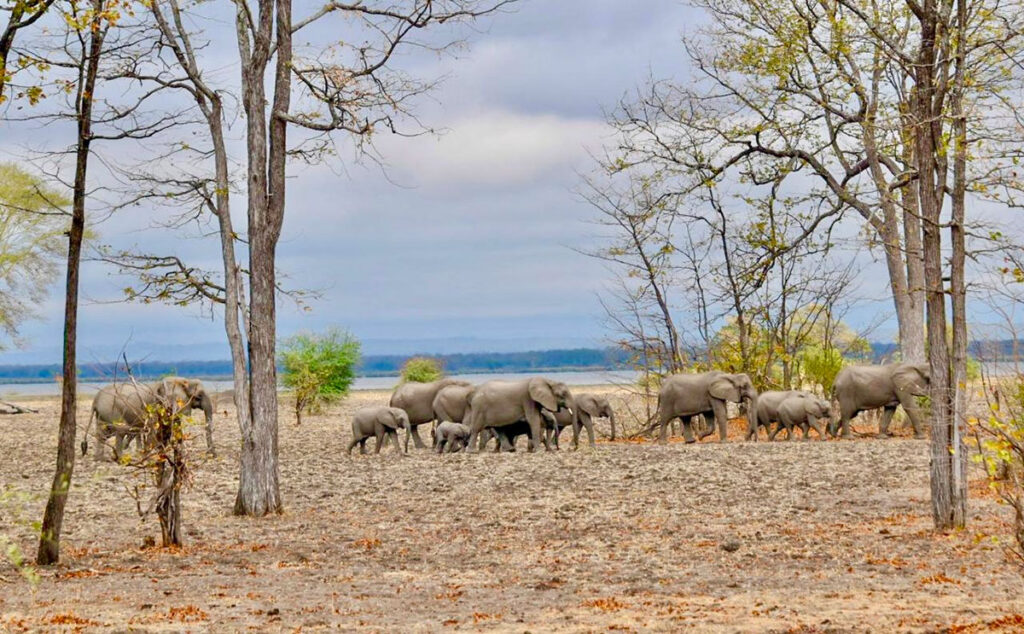
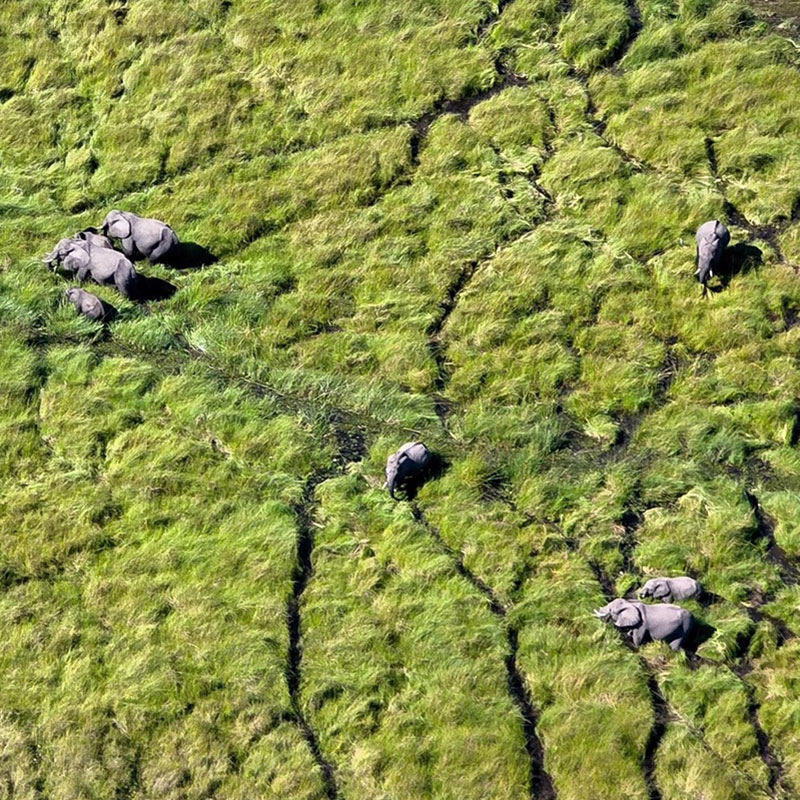
To the south, Liwonde National Park is all about dramatic compositions of hippos and crocodiles in the Shire River, alongside intimate encounters with elephants on palm-studded floodplains. Serendib Hotels and Resorts Waters Edge, a property situated directly on the Shire River, offers unrivalled front-row seats to elephants traversing the water and provides a perfect vantage point for dramatic wildlife moments against lush scenery, particularly at sunrise and sunset. It is also a prime spot for the Malawi-specific yellow-throated apalis. River safaris aboard their Mangunda boat, guided game drives into the park and birding trips can all be customized for photographers’ needs.
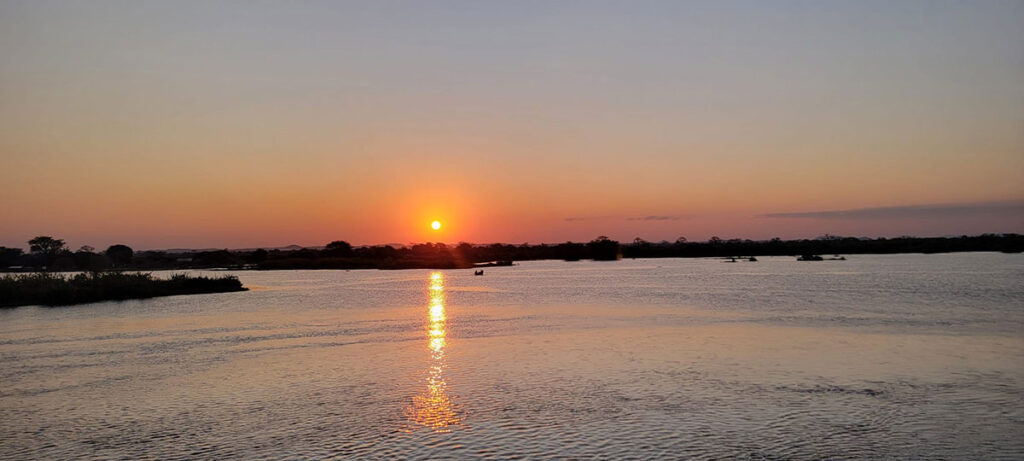
Further afield, the shimmering expanse of Lake Malawi presents a different tableau. Serendib Hotels and Resorts’ Kambiri Lake Resort and Blue Waters Lake Resort are ideal for capturing golden sunsets, gently sailing boats and vibrant lakeside life. The lake’s incredibly clear waters teem with birds, and its wide-open views make for stunning, vibrant photos. Just offshore, Namalanje Island, with its rocky edges and peaceful greenery, is a perfect setting for unique shots, whether captured by drone, boat or from the beach. Lake-based resorts offer tailored sunrise and sunset boat rides, beach setups and cultural village visits.
For landscape enthusiasts, Kara O’Mula, framed by the towering Mount Mulanje, has fantastic visual potential. Its tall cliffs, forested trails and waterfalls are a dream for landscape and nature photographers, with guides specially trained to move at a pace conducive to capturing the perfect shot.
Across these Serendib Hotels and Resorts locations, photographers are supported with thoughtful furnishings and touches like tripod-friendly decks and private boat platforms for steady shots. There are also secure indoor spaces for gear storage and comfortable editing. Wi-Fi-enabled lounge areas facilitate easy uploading and staying connected. Flexible, private excursions, including golden hour and blue hour outings, are tailored to creative goals.
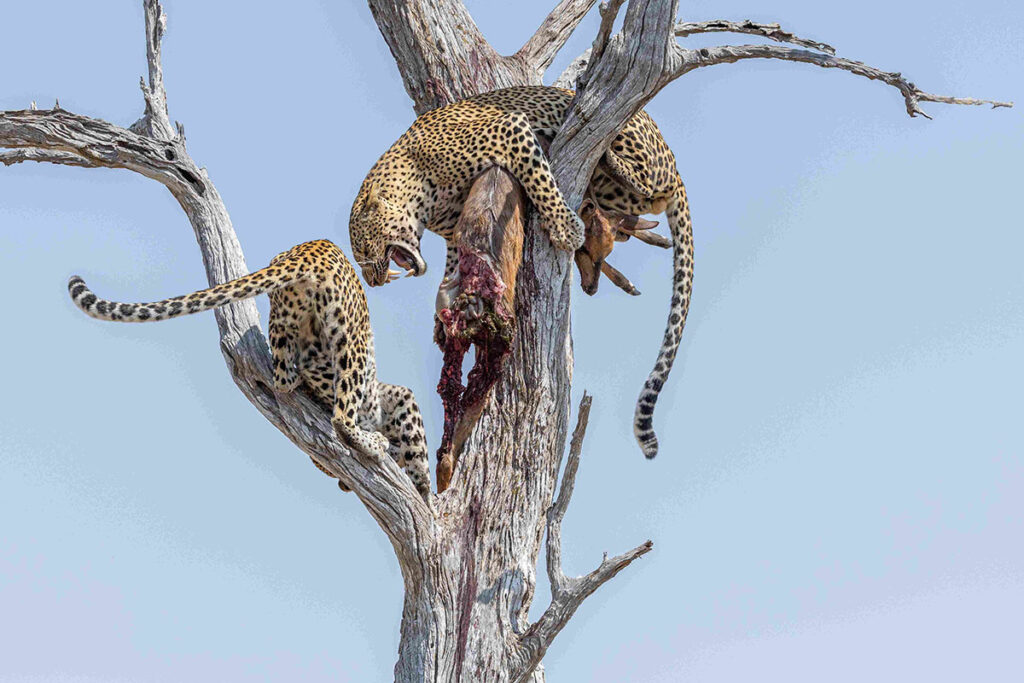
Zambia holds legendary status among wildlife photographers. A true icon of photography safari Africa, its remote wilderness and predator-rich parks offer golden-hour drama in every direction. South Luangwa National Park is particularly renowned, with the Luangwa River carving a lifeline through the park, becoming a focal point for hippos, leopards, lions, elephants and endemic species like Thornicroft’s giraffe during the dry winter season. It is justly celebrated as the “Valley of the Leopard,” with one of Africa’s highest densities of this iconic and photogenic species.
The park offers more than 60 animal species and over 500 bird species. Morning and evening game drives bathe the landscape in golden light, perfect for both portraits and action shots. Zambia also pioneered the walking safari, transforming observers into participants and allowing for deep, sensory engagement with the landscape. The clear skies and lack of peripheral light provide an ideal backdrop for southern sky Milky Way photography.


Chikunto Safaris has positioned itself as a premier photographic safari base, offering specialist photographic safaris, tailored game drives and workshops, including those hosted by respected professionals. Their guides are specifically trained in vehicle positioning and lighting to aid photographers. The low host-to-client ratio (one or two hosts for four to 10 clients) ensures individual attention, whether for beginners or semi-professionals. Being in a remote location inside the national park allows photographers to begin their day before leaving camp, making maximum use of early morning and late afternoon light and enabling longer, more solitary time at specific sightings.
Chikunto Safaris offers specialized kit and infrastructure for photographers too, including an on-site photographic hide, specially designed camera mounts for vehicles and a Photo & Editing Suite equipped with a central multi-point charging unit and a 50-inch Starlink broadband-enabled TV for honing editing skills. Vehicle setups are designed to support serious photography, with private guides and vehicles often provided for photographic hosts, and removable side doors to facilitate low-level photography. Schedules are regularly tailored to suit the photographic market, with guides understanding that photographers often prioritize shooting over traditional sundowners.
Chikunto Safaris has positioned itself as a premier photographic safari base, offering specialist photographic safaris, tailored game drives and workshops, including those hosted by respected professionals. Their guides are specifically trained in vehicle positioning and lighting to aid photographers. The low host-to-client ratio (one or two hosts for four to 10 clients) ensures individual attention, whether for beginners or semi-professionals. Being in a remote location inside the national park allows photographers to begin their day before leaving camp, making maximum use of early morning and late afternoon light and enabling longer, more solitary time at specific sightings.
Chikunto Safaris offers specialized kit and infrastructure for photographers too, including an on-site photographic hide, specially designed camera mounts for vehicles and a Photo & Editing Suite equipped with a central multi-point charging unit and a 50-inch Starlink broadband-enabled TV for honing editing skills. Vehicle setups are designed to support serious photography, with private guides and vehicles often provided for photographic hosts, and removable side doors to facilitate low-level photography. Schedules are regularly tailored to suit the photographic market, with guides understanding that photographers often prioritize shooting over traditional sundowners.
Further west, Kafue National Park is a vast, wild and still little-travelled expanse, ideal for visual storytelling. Its Busanga Plains offer a quintessential safari vision; vast plains where swamp-adapted red lechwe graze alongside zebra and wildebeest, and predators abound. Crucially, Busanga is refreshingly devoid of the crowds found in more famous destinations, allowing photographers the freedom to position themselves for the perfect angle without other vehicles obstructing the shot. The wide-open landscapes provide coveted clean backgrounds, making wildlife subjects pop against expansive, golden skies. Busanga is home to plentiful wildlife, including large herds of antelope, buffalo and elephant, as well as a rich variety of predators like resident cheetahs, wild dogs and leopards, particularly in the southern plains. Rare species such as roan and sable antelope and elusive serval cats can also be spotted.

Classic Zambia’s Ntemwa-Busanga Camp is specifically tailored for photographers, offering photographer-friendly guides trained in optimal lighting and animal behaviour. Their specialized safari vehicles are equipped with camera lens mounts, open profiles, charging stations, removable roof options and in-built fridges. Photographers can be out in the field well before sunrise to capture the best light, with packed breakfasts and lunches. The camp also provides an in-house photo editing room with charging ports and ample solar power, and even a bird and camera practice hide within the camp.
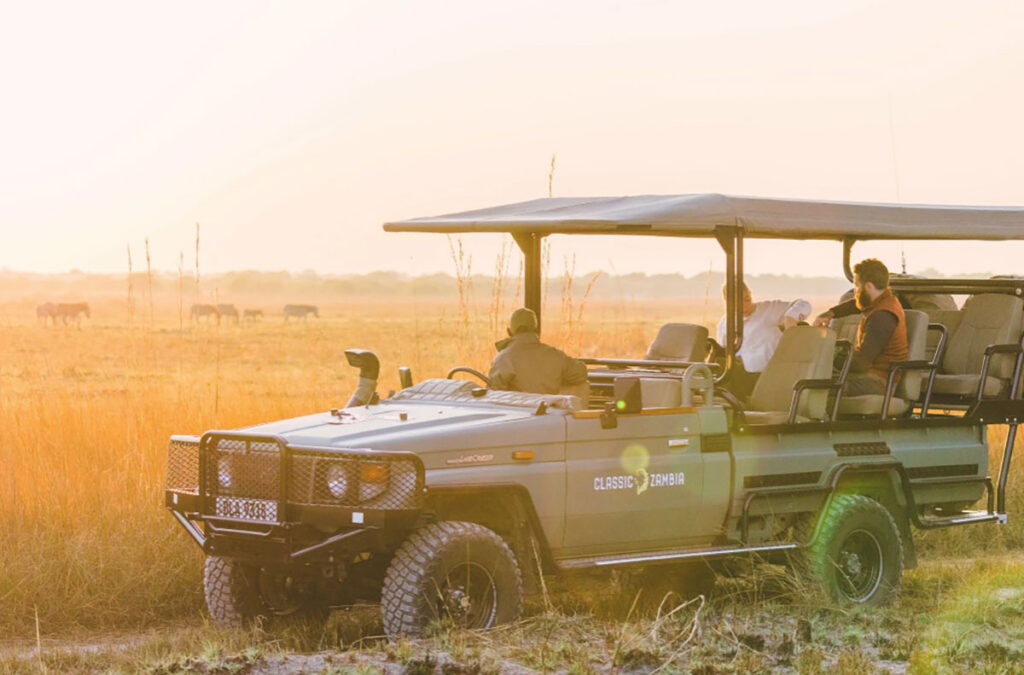

Zambia also has lesser-known gems offering extraordinary photographic experiences tied to seasonal spectacles. Bangweulu Wetlands is one of the few places to reliably photograph the rare and prehistoric-looking shoebill stork, with floodplains shimmering with birdlife and black lechwe during the wet season. Nearby, Kasanka National Park hosts one of Africa’s greatest natural wonders: the annual bat migration, where up to 10 million straw-coloured fruit bats fill the skies at dusk between October and December against a backdrop of copper-hued miombo woodland.
No photographic journey through Zambia is complete without a visit to Victoria Falls, known as Mosi-oa-Tunya or “The Smoke That Thunders.” Here, the Zambezi River plunges into the Batoka Gorge, offering rainbow-lit spray and long-exposure drama from rainforest viewpoints in Zambia and Zimbabwe.
Zimbabwe’s Mana Pools National Park holds near-mythical status, rewarding patient photographers with elephants in golden light or wild dogs playing along the Zambezi River. Zimbabwe’s diversity of terrain makes it an essential stop on any photography safari Africa adventure. From the atmospheric Kariba shoreline to the textured landscapes of Matobo, photographers are spoiled for choice.
On the shores of Lake Kariba, dramatic backdrops of drowned forests—gnarled, skeletal trees rising from the water—frame moody, evocative scenes. Along its southern edge, Matusadona National Park combines rugged escarpments with vast floodplains. Boat-based safaris allow for low-angle shots of wildlife drinking at the shoreline or silhouetted against fiery Kariba sunsets.
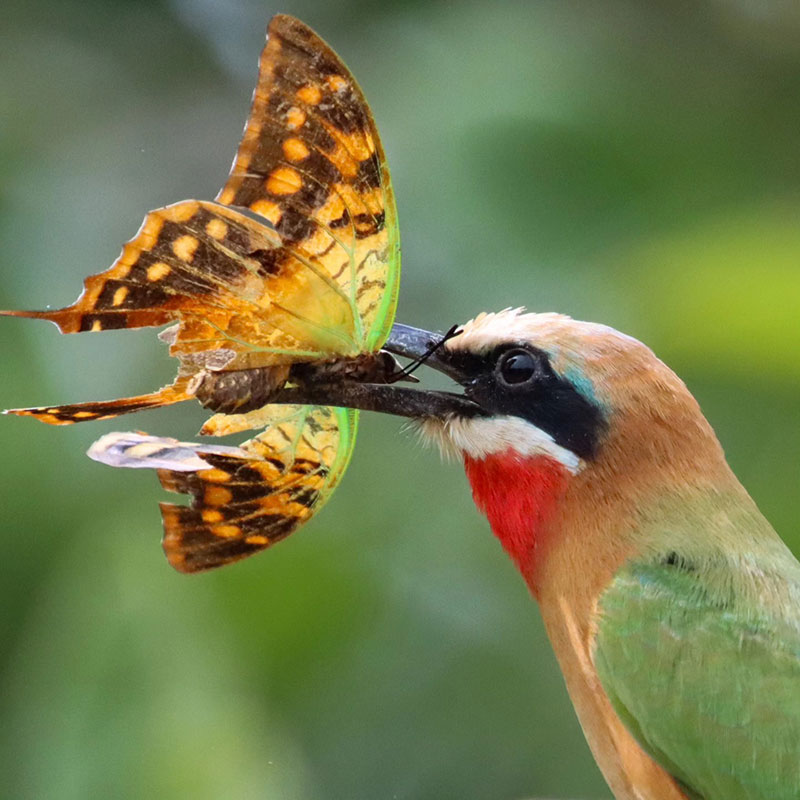
Hwange National Park delivers big herds, big skies and big moments. Photographers are often rewarded with scenes of survival—elephants ghosting through dust in search of water or predators stalking open plains. Then there’s Matobo National Park, where ancient, lichen-covered granite outcrops rise from the earth and black eagles soar. The park offers a quieter, more textured story of geology, culture and a deep spirit of place.
In Botswana, the Okavango Delta—a UNESCO World Heritage site—floods seasonally, creating a labyrinth of channels that reflect the skies and explode with life. Photographers capture elephants crossing deep channels draped in lilies, herons spearing fish and lions lounging on raised islands. In the Moremi Game Reserve, you might track endangered wild dogs across the floodplains or catch leopards draped across fig tree branches.
North of the Delta, the Chobe Riverfront becomes a photographic playground in the dry season. From custom-designed photo boats, guests can shoot eye-level images of elephants swimming, crocodiles basking, and hippos yawning—all without leaving the water. Botswana is central to any serious photography safari Africa route. Its blend of water-based and dry zone habitats allows for incredible contrast and visual storytelling throughout the year.

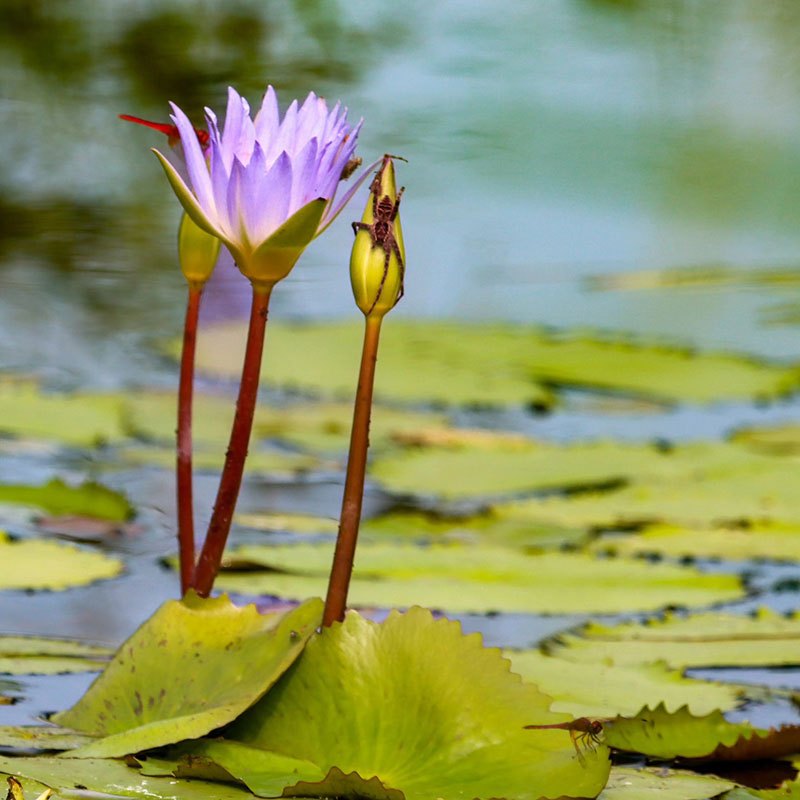
Botswana’s dry landscapes are a visual counterpoint to the lush waterways of the Delta. In Nxai Pan National Park elephants look like sculptures carved from the salt crust, and during the wet season, zebra migrations churn up dust and drama. Nearby, the surreal Makgadikgadi Pans stretch to the horizon in every direction, offering minimalist compositions, dramatic night skies and—in the green season—a pink haze of flamingos.
Further south, the Central Kalahari Game Reserve reveals vast fossil river valleys where black-maned lions patrol golden grasslands beneath an endless sky. These arid zones may seem empty at first glance, but they reward patient photographers with scenes of scale, silence and survival.

Namibia is a land of extremes—harsh light, soft shadows and stories etched into the ancient landscape. At Sossusvlei, the some of the world’s tallest dunes rise from the desert like molten waves, their edges carved by wind and sun. Dead camelthorn trees stand fossilized in time at Deadvlei, creating surreal, high-contrast images beloved by landscape photographers.
To the north, Etosha National Park offers a very different aesthetic: a shimmering white salt pan surrounded by life-giving waterholes. Elephants, rhinos, lions and giraffes appear dominate the stark backdrop, while open terrain allows for clean compositions and dust trails that catch the light.
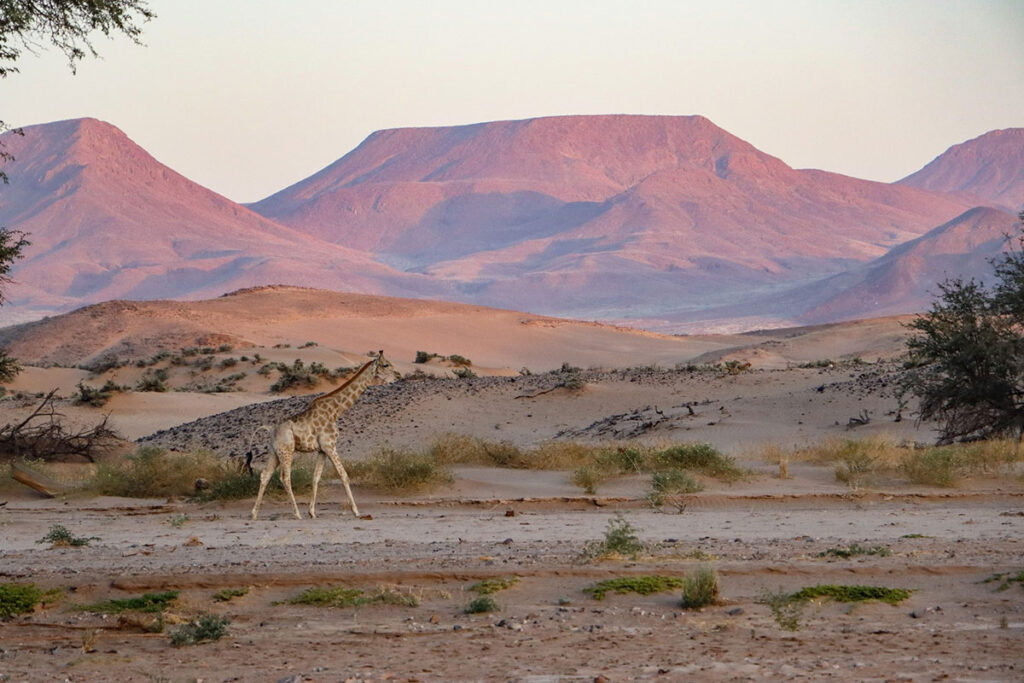
Beyond the parks, Damaraland and the Skeleton Coast deliver raw, remote drama. Desert-adapted elephants wind their way through dry riverbeds and shipwrecks lie half-swallowed by sand. For photographers, Namibia offers scale, silence and storytelling opportunities that feel as vast and elemental as the land itself, and each frame becomes a study in space and light.
For those drawn to stark beauty, scale, and solitude, Namibia is an unmissable destination on any photography safari Africa circuit—where every frame feels like a painting.
To truly capture the essence of this diverse continent, packing smart is crucial. A long zoom lens (200-600mm) is indispensable for wildlife, while a wide-angle lens excels for expansive desert and river landscapes. A beanbag or monopod provides stability in safari vehicles, and dust protection is a must during the dry months.
The best photographic light typically falls in the dry season (May to October), when wildlife congregates around shrinking water sources, and clear skies offer optimal conditions. However, the green season (November to April) brings its own rewards: vibrant colours, dramatic cloudscapes, and intimate behavioural moments as landscapes burst into life and animals bear newborns.
Joining a specialist safari with photographic guides and custom vehicles, such as those offered by Pangolin Photo Safaris, can take your experience to the next level. For expert tips on capturing incredible wildlife shots, check out the Pangolin Wildlife Photography YouTube channel before you travel.
