
By Sunny Siabukandu, Country Manager, School Club Zambia
Along the shores of Lake Kariba, football is opening pathways to education, confidence and opportunity for children in one of Zambia’s most remote communities
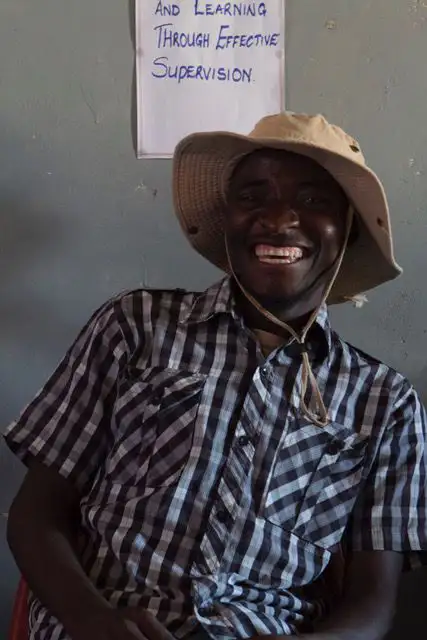
My name is Sunny Siabukandu, and I am the Country Manager of School Club Zambia, an award-winning NGO working alongside children, young people and families in some of Zambia’s most rural communities.
I grew up in circumstances similar to those experienced by many of the children we work with today. Each morning, I would rise early to help my family tend our crops before rushing to school. At the end of the day, I would hurry home to help herd cattle and support my family with the work that needed to be done.
Life was not easy, but I was fortunate. My parents understood the value of education and made it a priority.
Many young people growing up in the remote communities along Lake Kariba do not have the same opportunity.
The Zambezi Valley is a place of extraordinary beauty. Rugged hills rise above the shimmering waters of Lake Kariba, while fishing boats cross the lake at dawn and communities continue to live closely connected to the land and water that sustain them.
Yet behind this beauty are significant challenges.
For some families, education can feel less important when children are expected to become fishermen on the lake or small-scale farmers. Others simply cannot afford the costs of keeping their children in school. Following three consecutive years of drought, financial pressures have increased, and many young people have been forced to leave education.
In Sinazongwe District, fewer than one in five children complete 12 years of schooling. Girls face additional barriers, including child marriage, teenage pregnancy and gender-based violence.
But at School Club Zambia, we have seen that projects which bring communities together, challenge expectations and open people’s minds to new opportunities can have a profound and lasting effect.
Nothing demonstrates this more clearly than Zambia’s most loved sport, football.
Football brings young people together across differences. It creates friendships, builds confidence and teaches teamwork, leadership and resilience. On the pitch, girls and boys can discover strengths they did not know they possessed. Beyond the pitch, those lessons can help them remain in school, make informed choices and imagine futures that may once have felt out of reach.
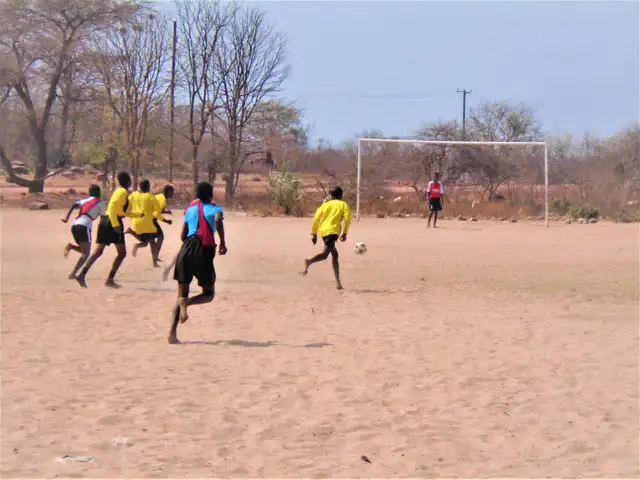
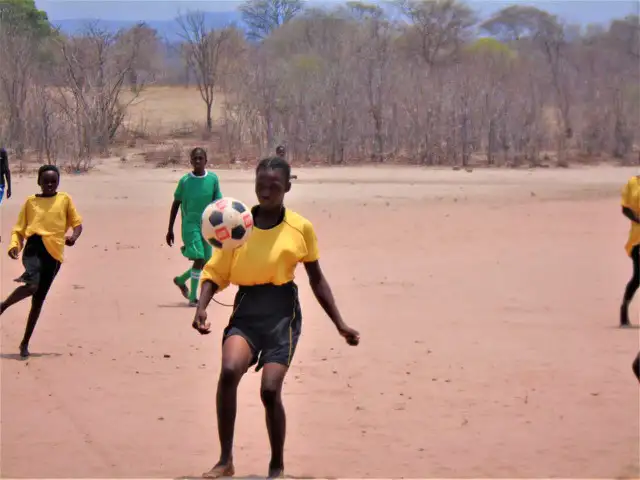
That is why School Club Zambia is proud to be a second cohort recipient of the FIFA Global Citizen Education Fund, receiving a grant of US $150,000 to deliver the Tulele Kwamako Zambia Project.
Working in partnership with TACKLE, a UK based NGO using the power of football to support education, health and positive social change across Africa, the project will reach 500 girls and boys under the age of 18 across five schools along the shores of Lake Kariba.
The FIFA Global Citizen Education Fund was created to expand access to quality education and football for children around the world. Although the World Cup has come to an end and the final whistle has blown, the spirit of football continues far beyond the stadium.
In Sinazongwe, it will continue on school pitches along the shores of Lake Kariba.
The project will use football to create safe and inclusive spaces where young people can learn, build confidence and support one another. Twenty young people will be trained as peer coaches, leading interactive sessions on gender equality, sexual and reproductive health, HIV prevention, child marriage, teenage pregnancy and gender-based violence.
The project will also improve sporting facilities and ensure that children with disabilities can participate.
But football alone cannot overcome the financial barriers that prevent many children from staying in school.
Entrepreneurship training and business start up support will therefore form a major part of the project, helping young people and their families develop sustainable sources of income. By reducing financial pressure at household level, the programme aims to make it more possible for children, particularly girls, to remain in education.
Sandra, a 15 year old from the hills of Sinakoba village, understands these barriers firsthand. Raised by a mother who experienced early marriage and never had the opportunity to attend school, Sandra left education in Grade 5 when her family could no longer afford the costs.
After joining a previous School Club Zambia programme, she gained confidence, received career guidance and began to see a future beyond the challenges she had experienced.
“Coming to the programme made me realise the importance of education in my life,” Sandra said. “It gave me the strength and courage to want to return to school.”
Her story reflects why practical livelihood support matters. When families have greater financial security, children have a better chance of continuing their education and building futures of their own choosing.
School Club Zambia has already seen the power of football. Through our previous Own Your Destiny girls’ football programme, more than 400 girls were supported to return to education. One participant described how being part of a team helped her overcome shyness, build confidence and believe that she had something valuable to offer her community.
The new FIFA funded project will build on this experience, bringing together sport, education, entrepreneurship and community support. Grandparents will also be involved, recognising their important role as caregivers, mentors and trusted voices within families.
Every year, School Club Zambia welcomes travellers and volunteers from the United Kingdom through school learning expeditions organised with Africa’s Eden member Jollyboys Backpackers and True Adventures. These visits create opportunities for cultural exchange and shared learning, connecting visitors with the communities and remarkable landscapes surrounding Lake Kariba.
Responsible tourism can do more than showcase extraordinary destinations. It can strengthen community partnerships, support locally led development and create lasting connections between people.
School Club Zambia is also a proud partner of the Africa’s Eden Community and Conservation Network, which brings locally led organisations into closer collaboration with the tourism industry, helping to build visibility, meaningful partnerships and greater support for the vital work taking place across the region.
The World Cup may be over, but its legacy continues in the confidence of a young girl returning to school, in the leadership of a peer coach, in a family building a new livelihood, and in every child who discovers that their future is worth playing for.
