
In Africa, we’ve always looked to the rains to signal seasonal transition. The first real sign is the heat building, the thunder clouds gathering, and the buzz of anticipation in the air. Lorraine Kearney heard from people immersed in the bush about the clues they watch for.
Carmine Bee Eater, Shenton Safaris, Photo by Shane Doyle
Legend has it that if Punxsutawney Phil can see his shadow when he emerges from his burrow on 2 February, there will be six more weeks of winter. No groundhog shadow means no more winter, at least in North America.
There is no similar harbinger of seasonal change in Southern Africa. Our signs here are subtler; they live deeper in our bones. It’s in the rain, in the stars, in the knowledge of the ancients.
For the changing of the seasons, Tswana folklore looks to the skies. The appearance of Naka (The Horn Star, or Canopus in English) before dawn heralds winter and the browning of the veld. The San, too, keep an eye on the firmament: an east–west orientation of the Milky Way means rain is coming; north–south signals dry times ahead.
Phil offers a fixed-date folk prediction; Africa’s Eden traditions encode a far more consequential relationship between weather, ritual, landscape and survival. For us, it’s a complex jigsaw of rain lore, rainmaking, animate weather beings and ecological seasonal knowledge.
The Lozi tradition surrounding the Zambezi’s annual inundation of the Barotse Floodplain in western Zambia is probably our most substantial seasonal tale.
It goes like this: Kuomboka means “to move out of the water”. It marks the Litunga’s ceremonial move from the floodplain capital at Lealui to higher ground at Limulunga, when the rising Zambezi floods the plains, usually around late March or early April.
Kufuluhela is the return of the Litunga to the floodplain after the water recedes. Together, the two movements make the flood’s rise and fall – not spring, summer, autumn and winter – the principal seasonal rhythm of Lozi ceremonial life.
Across Africa’s Eden, people look out for their own special signs that winter is over.
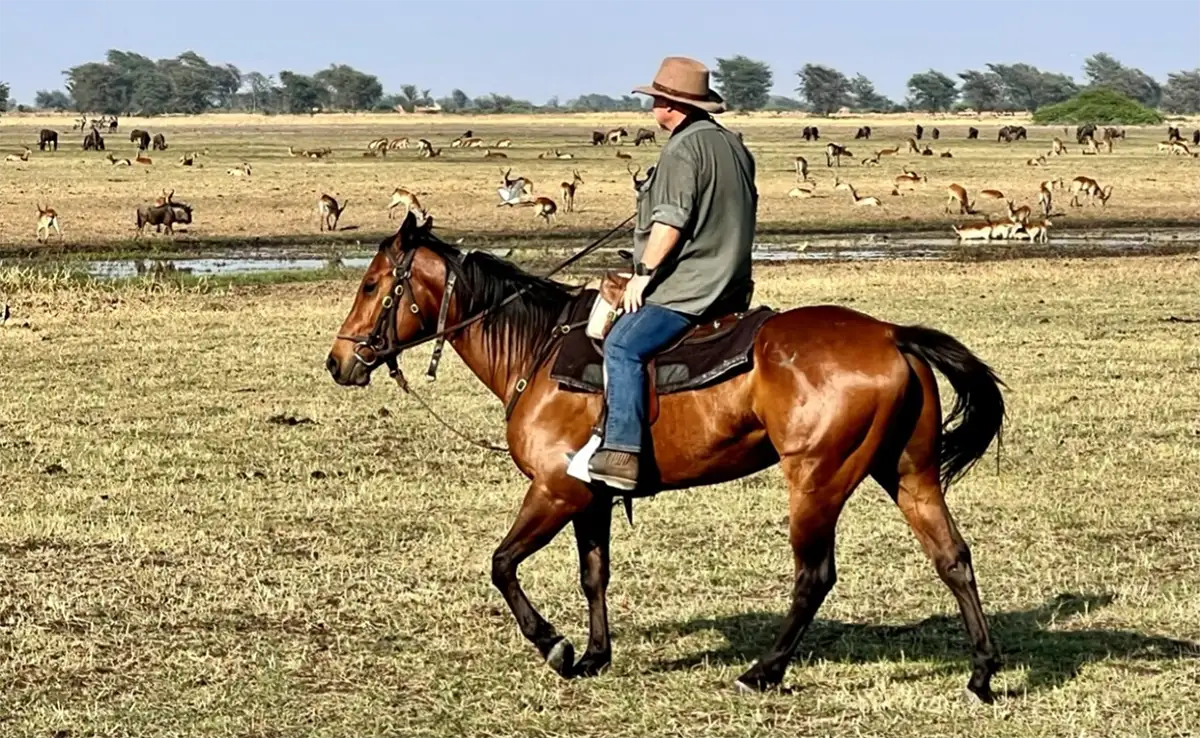
Zambian Horseback Safaris knows these cycles of flood and receding waters better than most.
“We’re out at Simalaha Wildlife and Community Conservancy from the end of June through to year end, which lines up with Zambia’s dry season,” says Tanya Miller, the manager. “It’s when the plains are at their best for riding, with the herds concentrated on the floodplains and long, clear days in the saddle.
“The first real sign for me that the season is changing is the heat building. The inland waterholes start drying up not long after, and the whole bush shifts as animals head for the floodplains to find water and grazing. We start seeing far more of the resident species out in the open – wildebeest, zebra, red lechwe, puku, with giraffe, buffalo, eland and sable often visible on the fringes and reedbuck or duiker slipping along the treeline.
“You see the changes most in the animals’ condition. Coats are sleek and glossy early in the season, and you watch them gradually dull and rough up as grazing gets tougher towards the end of it. Behaviour shifts too. Animals graze for longer stretches as the good grass thins out, and herds bunch closer together the further into the dry season we get, which makes for some incredible sightings out on the plains.
“There’s definitely a lift in energy once the cold breaks – and there’s a real sense of anticipation building.”
Her best season? “Rainy season, without question. Watching the bush come alive after that first rain never gets old. Everything greens up almost overnight, and there’s a real buzz of activity, from elephant herds moving to the birdlife returning to the floodplains.”
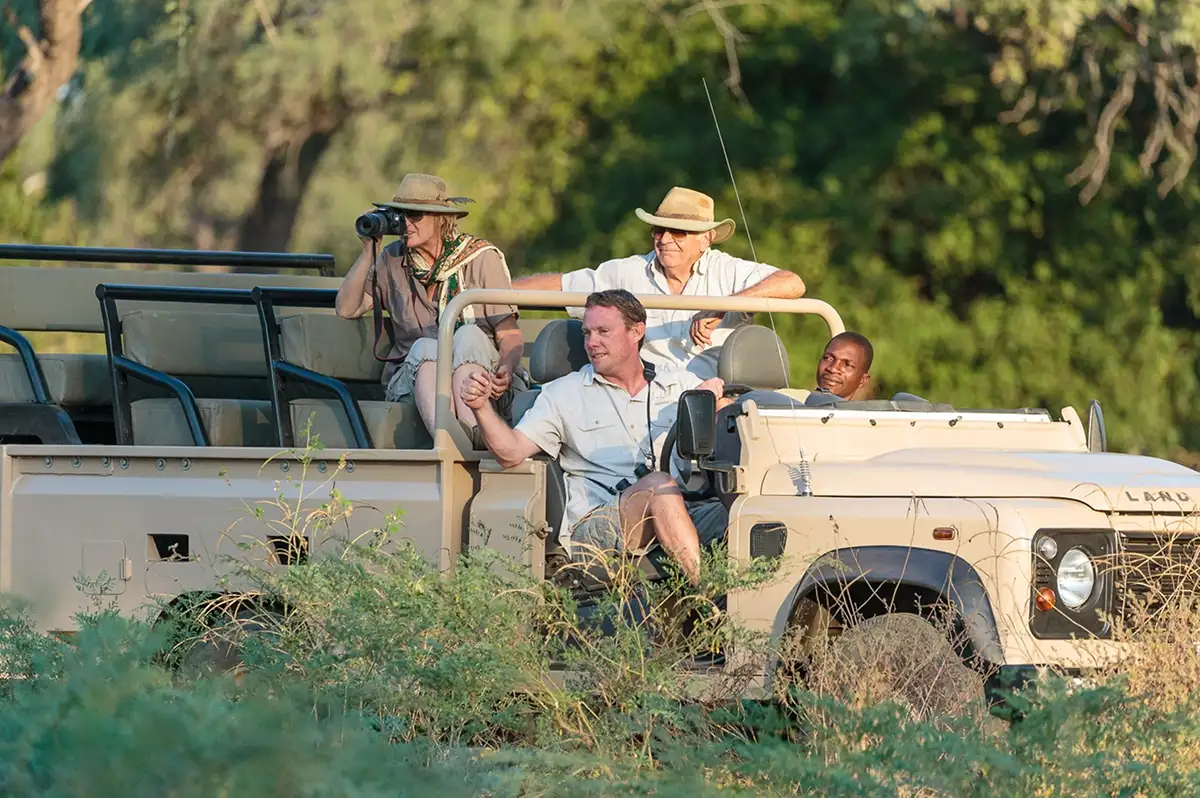
At Nkonzi Camp in South Luangwa National Park, Gavin Opie, owner of Gavin Opie Safaris, says their safari season is short. “We open on 1 June and close again on 1 November, so we only witness the landscape make one great transition: from the cool, dry days of June, July and August to the hot hazy months of September and October, which usher in the rains,” he says.

“The change announces itself gradually. Fine, feathery yellow flowers appear on the wild mango trees, with tiny sunbirds flashing between them. After dark, we begin to notice the unmistakable aroma of the tiny, fragrant Natal mahogany flowers, mingling with the syrupy scent of wild jasmine.
“The Southern Cross, so bright and familiar in June and July, seems to retreat. By August, it’s dipping close to the southern horizon in the early evening … and has almost vanished from view by the end of our season.
“One of my favourite clues to the coming hot season is more subtle. Just south of camp, a natural spring bubbles beneath the dry, sandy riverbed. From mid-August, as surface water disappears, elephant herds gather nearby and dig their own wells a few metres from the spring. Their reward is cool, crystal clear water, untouched by the jostling muddy hooves at the spring itself. Some afternoons I find six, seven or even eight herds here.
“The sausage trees provide the season’s most theatrical finale. At the start of the hot season the trees shed all their leaves and stand bare for a few days before sprouting fresh green buds. This triggers a spectacular flowering cycle. The blousy, ruby-red blooms open at night, so a tree that looked empty the previous afternoon may be covered by dawn.
“By late afternoon the flowers have all fallen. Puku and impala arrive to feed on the flowers, and leopards wait above, hoping to ambush the antelope as they feed.”
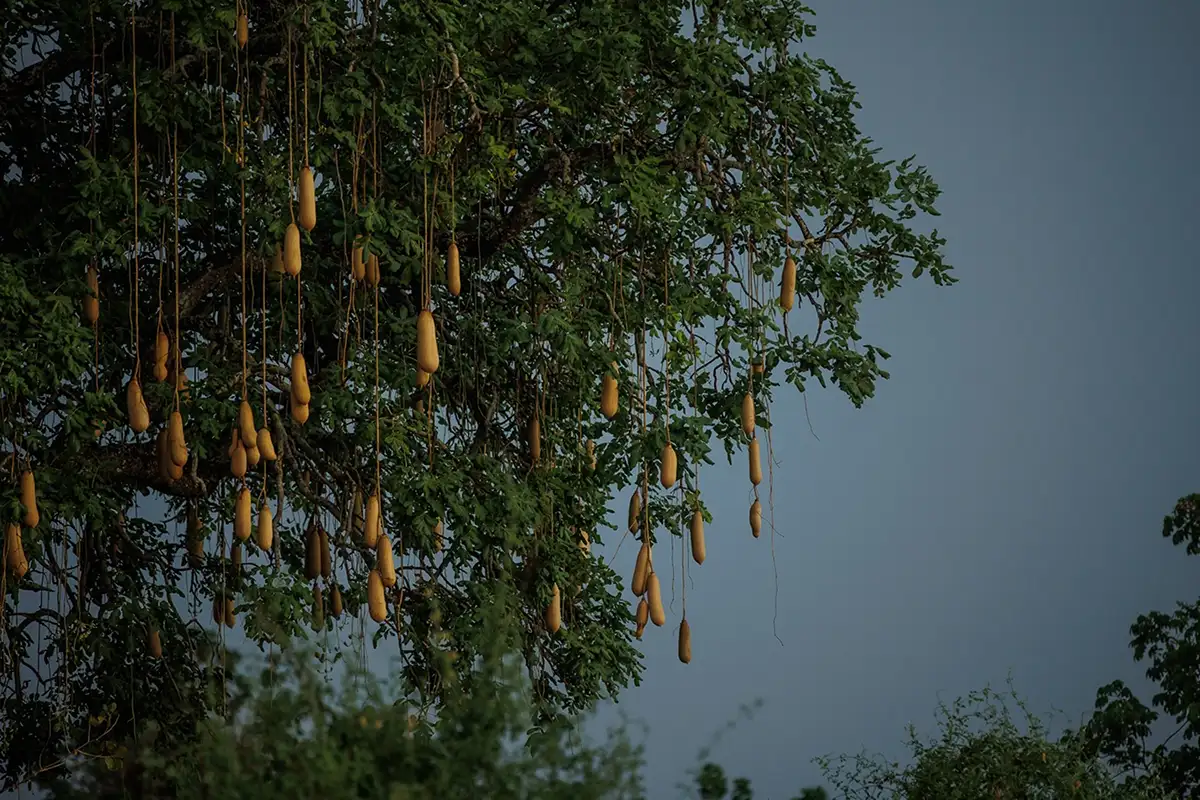
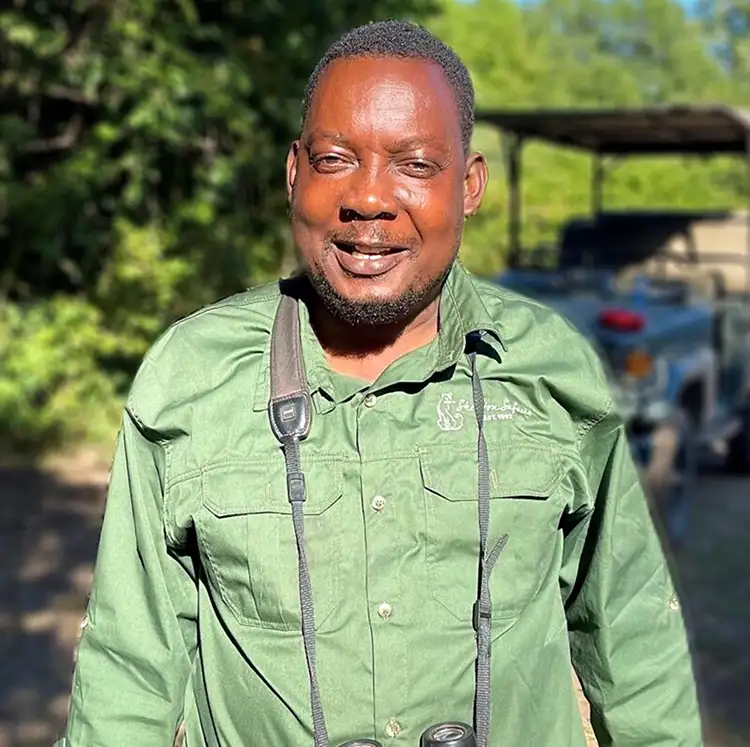
Philemon Banda, a guide at Shenton Safaris in South Luangwa, also looks for the showstopping sausage tree flowers. “When you start seeing the sausage trees flowering, you know the season is changing,” he says. “We are coming out of what we call our cold season and moving into the hotter months of September and October.
“You also notice a change in wildlife sightings. Hunting by lions and leopards becomes more concentrated around the river line. As the inland waterholes begin to dry up, more animals move towards the river, so you start seeing larger concentrations of game, including big herds of buffalo.
“During September and October, you start seeing migrant birds arriving, including the carmine bee-eaters. With the onset of the rains, changes in
plumage become more noticeable in some birds, particularly weavers.
“We don’t really have a conventional spring season here in South Luangwa. Instead, we recognise the changing season through things like flowering trees and the transition towards the rains.”
It’s beautiful, but still, Philemon’s favourite time of year is the cold season. The landscape is green and you can still have very special wildlife sightings. “Most importantly, the temperatures are comfortable for the guests. You still have the greenery, you still have the animals.”
Okavango Expeditions Mobile Safaris guide Isaac Tapa is based in Maun but guides safaris all over northern Botswana.
Moving into spring, trees are beginning to lose their leaves, he says, the grass is becoming drier, and temperatures rise. “This year has been particularly remarkable, as we experienced exceptionally heavy rainfall and significant flooding across Moremi Game Reserve and the Okavango Delta.
“With water covering areas that are normally dry, some smaller animals have had to move to higher ground, while predators have also had to adapt their territories and denning sites.
“The warmer months bring a wonderful energy, with dramatic skies, lush landscapes and incredible wildlife activity. Of course, the heat can sometimes be challenging, and we find that people can feel a little more tired or irritable on particularly hot days – but there is something special about experiencing the Delta during these months.
“For me, guiding is all about wildlife, and I really look forward to seeing how nature transforms over the months. The arrival of the migratory birds in Botswana will be particularly exciting this year. After such significant flooding, it will be fascinating to observe how different species respond to the changed landscape and adapt to these unusual conditions.”
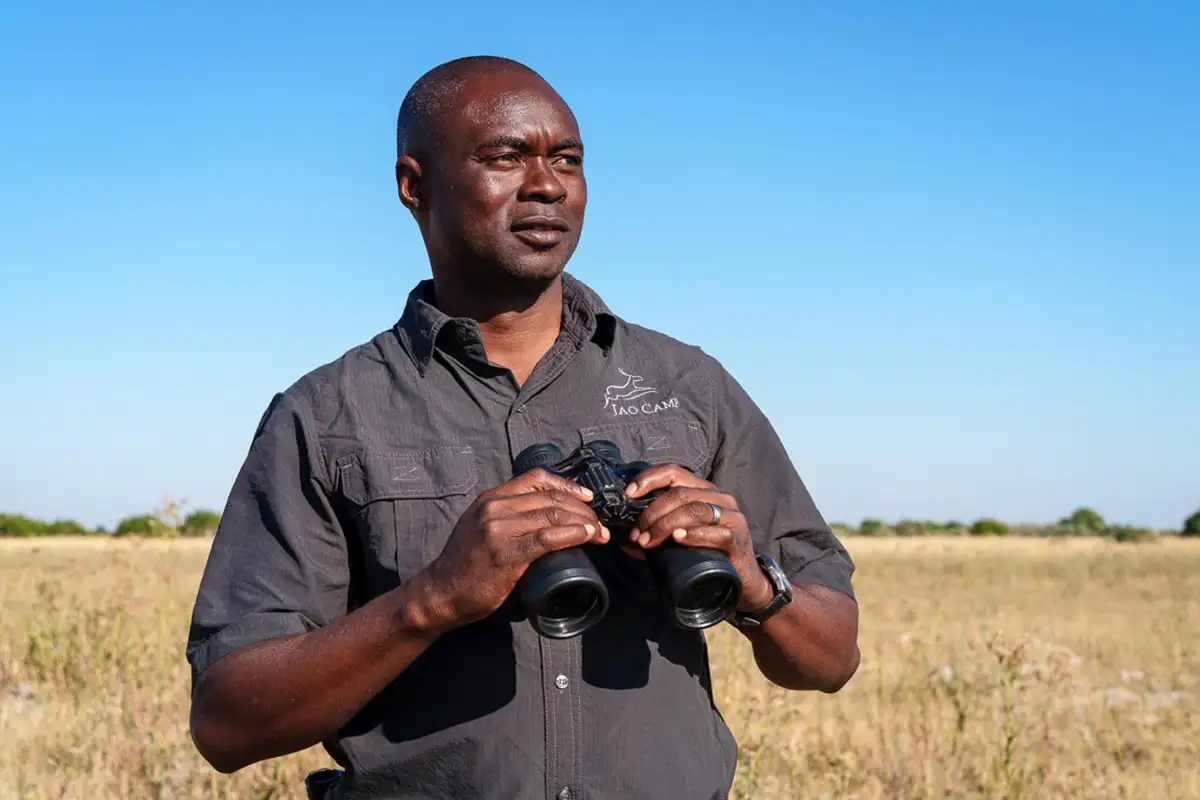
Meshack, a guide at Jao Camp in Jao Reserve, also waits for the temperatures to rise. “It starts to get warmer in the midday and we also start to experience a bit of humidity and will see the water levels start to drop drastically,” he says.
“People often look to welcome the first thunders and rain showers to celebrate. Spring brings fresh vegetation and an abundance of wildlife activity. Animals start to get active early in the morning and will retreat to shadier areas past 10am as it starts to get warm.
“Their coats start to diminish and they start to feed more into the water channels for green vegetation. The elephants are abundant.
“New shoots start to grow on shrubs and trees like the sausage tree, camel thorn and caper bush get new leaves and flowers.
“Some people are bothered with the heat and can get moody and temperamental … I personally like winter, when the temperatures are pleasant most of the time. It’s easy to put on extra layers if needed, unlike summer, when it’s difficult to escape the heat.”

Dollar Karingiramambo, the manager of The Zambezi Trader, the Zambezi Cruise & Safaris houseboat, is based on Msuna Island, bang in the middle of the Zambezi, about 150km downstream from the Victoria Falls and 120km from Hwange National Park.
“Quite few things show the change of season, especially from our winter to our spring,” he says. “The leaves on most trees change colour; wild fruit ripens, especially tamarind fruits and knob bredelia fruits, and sycamore fig trees start flowering.”
Lots of plants start flowering, too, like the devil’s trumpet, Mexican pop, long pod senna and impala lily.”
“Animal behaviour also starts changing. Most animal species are very mobile, in search of water and food. Elephant matriarchs get stressed and aggressive when there is not enough food and water for the herds they are in charge of.”
“You also see a lot subadults in some eagle species and we begin to see a lot migratory birds arriving for our summer.”
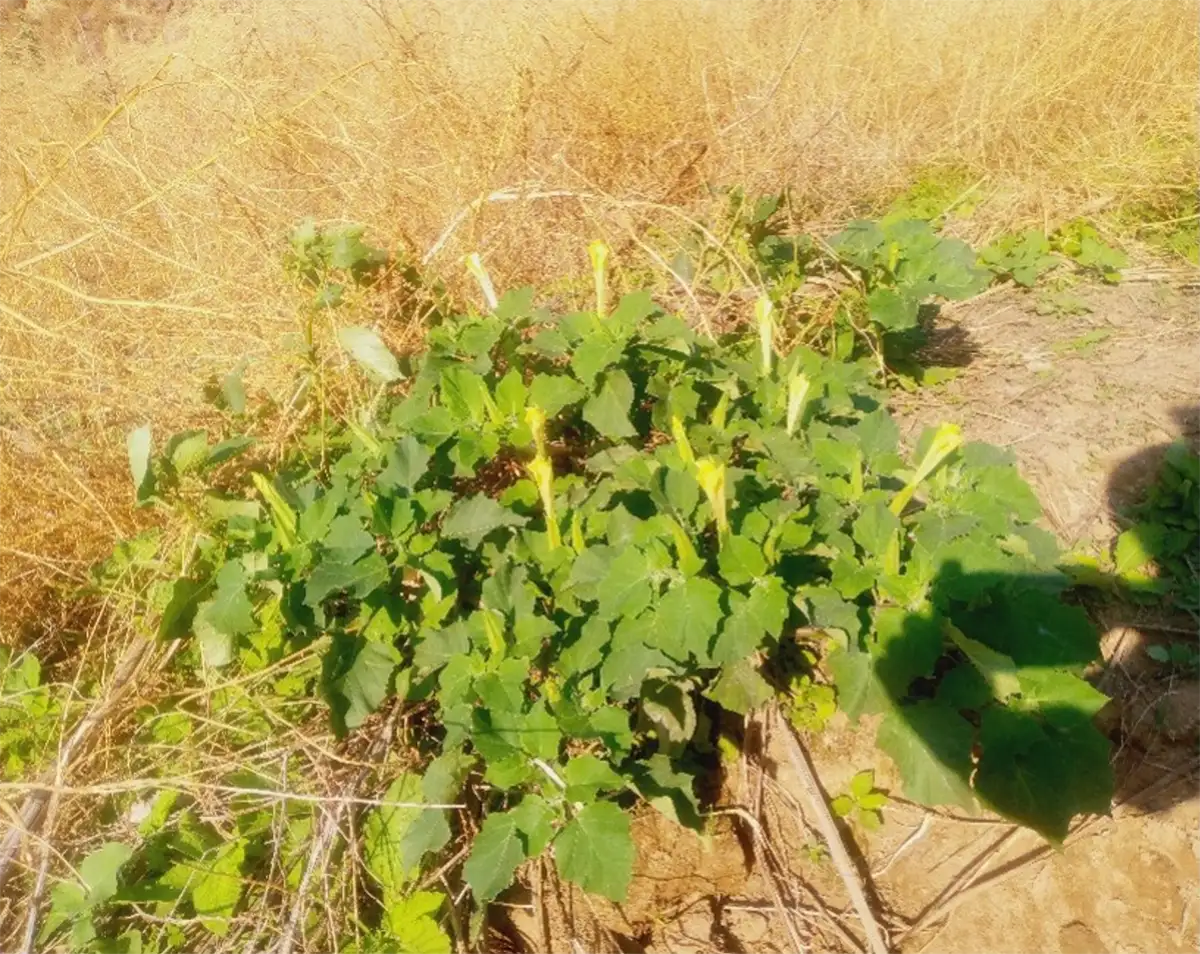
“Summer is my favourite season because this is the time of the year when most animals will have their young ones. There is a lot of food for both humans and animals. Plants get back to life with ever green leaves and I enjoy watching the rivers flowing.”
A new season always brings change – in animal behaviour, in what you see, in the buds and foliage, in the feeling in the air. Settle in and watch the show.
