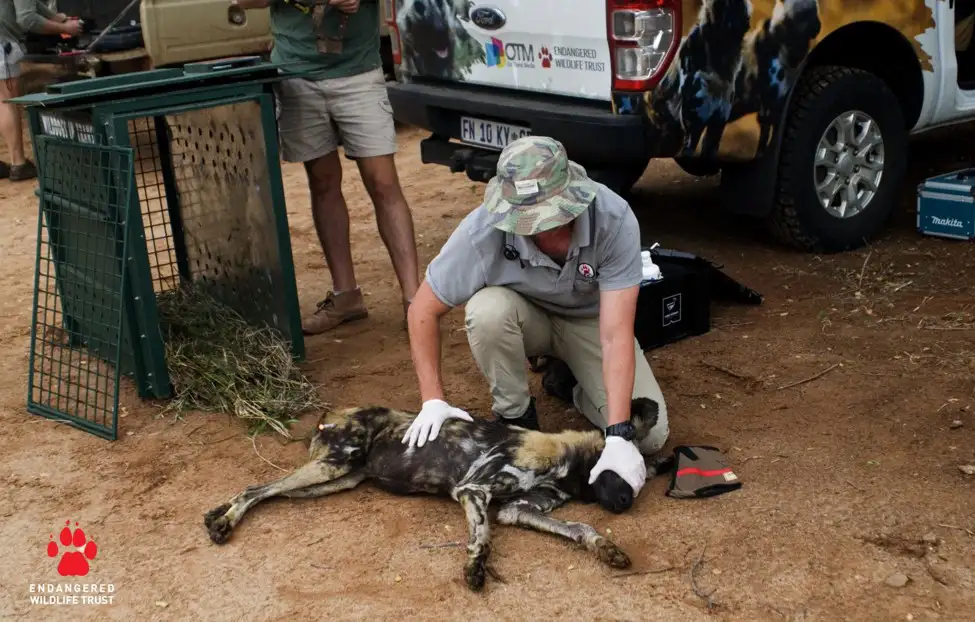
From 27 September 2026, new EU rules will raise the bar for environmental and sustainability claims made to European consumers. For African tourism businesses, credible evidence will increasingly shape buyer confidence, reputation and market access. Now is the time to review your claims, verify your partners and ensure every impact story can be substantiated.
Photo Credit Dianne Tipping-Woods
27 September is coming. Is your sustainability story ready?
From 27 September 2026, new EU consumer protection rules will change how businesses can communicate environmental and sustainability claims to European consumers.
Directive (EU) 2024/825, the Empowering Consumers for the Green Transition Directive, strengthens protections against misleading environmental claims, generic green claims and unreliable sustainability labels.
So what does this mean for an African tourism business?
The Directive strengthens EU rules governing business-to-consumer commercial practices. An African lodge, supplier, conservation organisation or community project is not automatically directly regulated simply because it works with a European tourism company. The amended EU Unfair Commercial Practices Directive incorporates the new rules from 27 September 2026.
But commercially, it matters.
If you pass your sustainability claims to an EU tour operator or agent and they use them to market a trip to a European consumer, that business needs to stand behind what it communicates. European buyers will increasingly need credible information about the claims, certifications and partners within their supply chains.
For African tourism, this is therefore not simply about compliance. It is about procurement, reputation, buyer confidence and international market access.
And consumer protection is asking a reasonable question: Can you prove what you are saying?
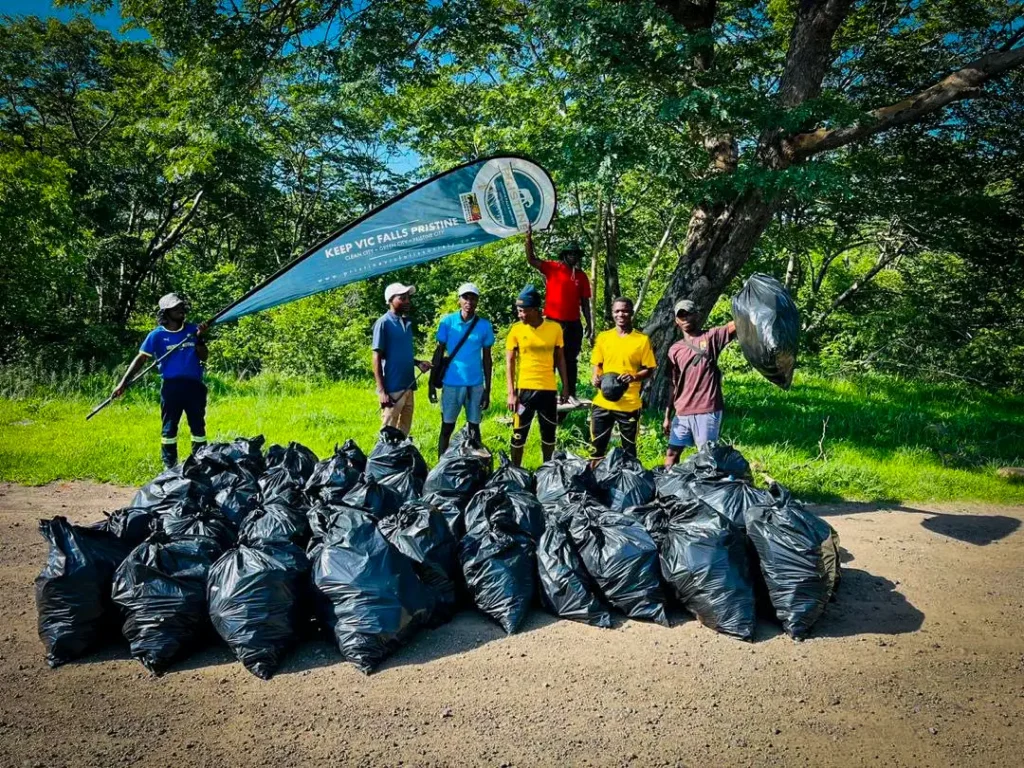
Photo Credit: Pristine Victoria Falls
Tourism is great at telling stories about the good we do. We support communities. Empower women. Protect wildlife. Reduce our environmental footprint.
But can we substantiate it?
In a European Commission review screening websites for greenwashing, of 344 environmental claims, more than half lacked sufficient information for consumers to judge their accuracy. Some 59% did not provide easily accessible supporting evidence, 37% used vague or general environmental statements, and authorities considered 42% potentially false or deceptive.
The new EU rules on environmental claims specifically address generic claims such as green, eco-friendly and environmentally friendly where relevant environmental performance cannot be demonstrated.
For businesses doing credible work, this is an opportunity.
Instead of “we support a local school,” say what you contributed, what it supported and who benefited. Instead of “we are reducing our environmental impact,” show the energy generated, water saved or waste measured and diverted.
The principle is simple: What did you do? How much? Who benefited? What changed, and how do you know?
If you can’t measure it, you can’t market it.

Volunteers with Pristine Victoria Falls collecting rubbish to keep their community clean.
Tourism routinely repeats claims made by suppliers, philanthropic partners, conservation organisations and community projects. Those claims can become part of our sustainability story too.
Reviewed, certified, audited and independently verified are not interchangeable. Using a recognised methodology or referencing a respected institution is not the same as being officially registered, certified, recognised or endorsed by it.
This distinction is particularly relevant to sustainability labels. Directive (EU) 2024/825 defines a certification scheme as a third-party verification scheme and requires objective monitoring by a competent and independent third party. It also prohibits displaying sustainability labels that are not based on a qualifying certification scheme or established by a public authority.
The Directive also reinforces existing protections against claiming that a business, product or commercial practice has been approved, endorsed or authorised by a public or private body when that is not actually the case.
If the language is ambiguous, ask:
A claim is the starting point, not the proof.
The same applies to procurement. A supplier’s environmental or social claims can travel from supplier to lodge, DMC, international tour operator and ultimately the consumer.
And this is already affecting tourism. Following coordinated action by European consumer authorities, 21 airlines committed to changing practices related to aviation greenwashing and potentially misleading environmental claims, including vague green terminology and inadequately substantiated environmental claims.
This is one reason Africa’s Eden created its Community & Conservation Partnership Network, connecting tourism businesses with vetted philanthropic organisations working in the destinations we sell.
Partners include Endangered Wildlife Trust, which works across threatened species, ecosystems and communities, and Pristine Victoria Falls, which addressing local environmental challenges through waste management, recycling, and community engagement.
Being part of a vetted network does not replace due diligence. The point is greater transparency, helping tourism businesses understand who they support, what they support and what evidence sits behind the impact story.
Review your website, brochures, itineraries, social media and supplier information.
Ask:
Then ask the same questions of the suppliers, projects and philanthropic organisations whose claims you promote.
Where evidence exists, use it; where it doesn’t, don’t stop doing the good work. Start measuring and documenting it properly.
Africa’s Eden is working with industry partners and regional sustainability certification schemes to turn these changes into practical action.
Through Sustainability resources, webinars and educational series, Africa’s Eden is helping tourism businesses strengthen how they measure, verify, procure and communicate sustainability.
Start now: review your claims, vet your partners, verify the evidence and address the gaps before 27 September.
African tourism has extraordinary impact stories to tell. The opportunity is to make sure the evidence is every bit as powerful as the story.
Measure it. Verify it. Then market it.