Travel for Impact was born from an indisputable fact: your travel has an impact. And the challenge to ensure that impact is a positive one. For 14 years it has been doing exactly that in northern Botswana, writes Lorraine Kearney
Botswana has a unique travel proposition: the vast lunar flats of the pans, the scrubby desert and one of the largest inland deltas in the world, where the waters are unexpectedly highest during the dry season. Don’t forget the biggest wild elephant population.
And the country has capitalised on these riches, pioneering a high-value, low-volume tourism policy. The jury is out on whether everyone has profited from this strategy, and indeed whether there was meaningful policy consultation with people on the ground. And certainly, the Chobe Riverfront is far from low volume.
But at least one NGO has used the model to the benefit of local communities.
Travel for Impact was established in 2012 in hot and dusty Maun, initially as a means of uniting the tourism industry in pursuit of a single objective.
It worked through two key avenues. “Through 1 USD Per BedNight, participating partners contribute one US dollar per bed night of their guest or client being in Botswana,” explains Ruth Stewart, the director and founder.
“Through The BedNight Bank, properties and charter companies donate a bed night or a charter flight.” It works in collaboration with Safari Destinations, which incorporates it into their itineraries, “and the donation of the amount of that charter flight or bed night bank is then brought into our fund”.
The cash from the two avenues is held in the Impact Fund, a not-for-profit started in 2017, which uses it in a variety of ways. Funds also come through straight-up donations, through the Travel for Impact website, and from traditional donor avenues.
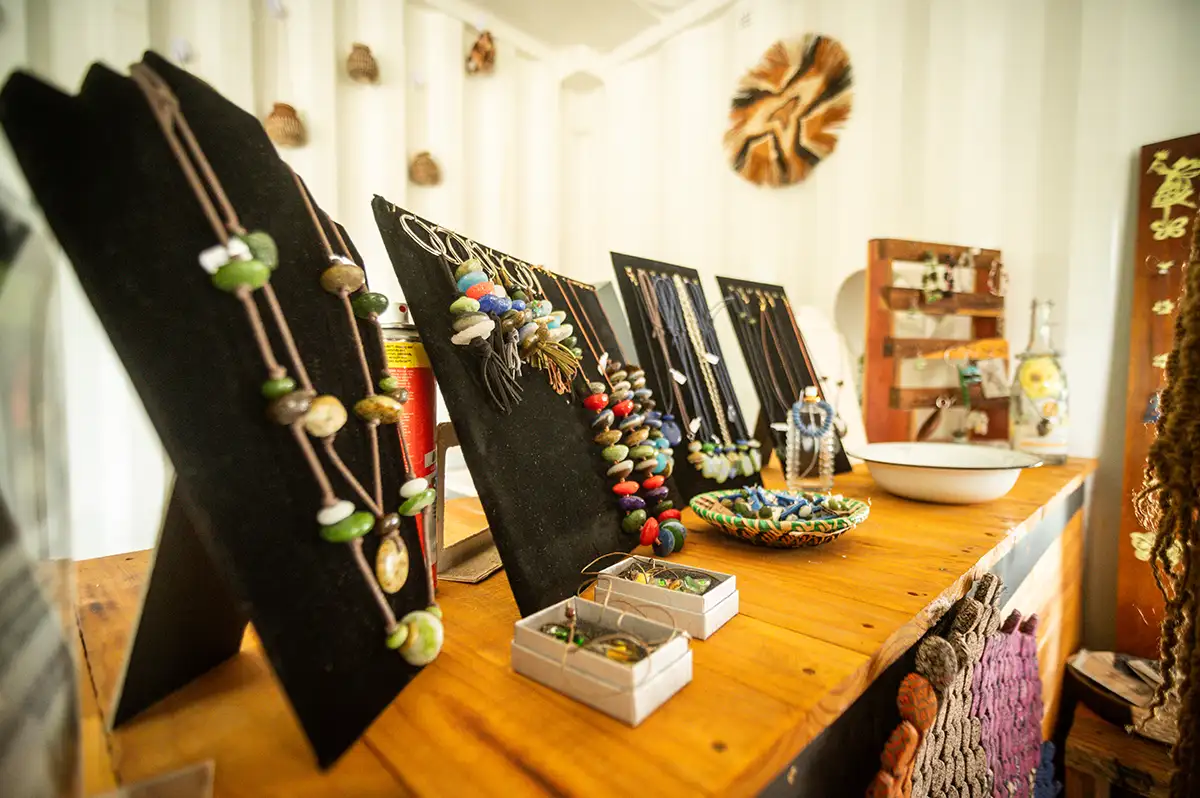
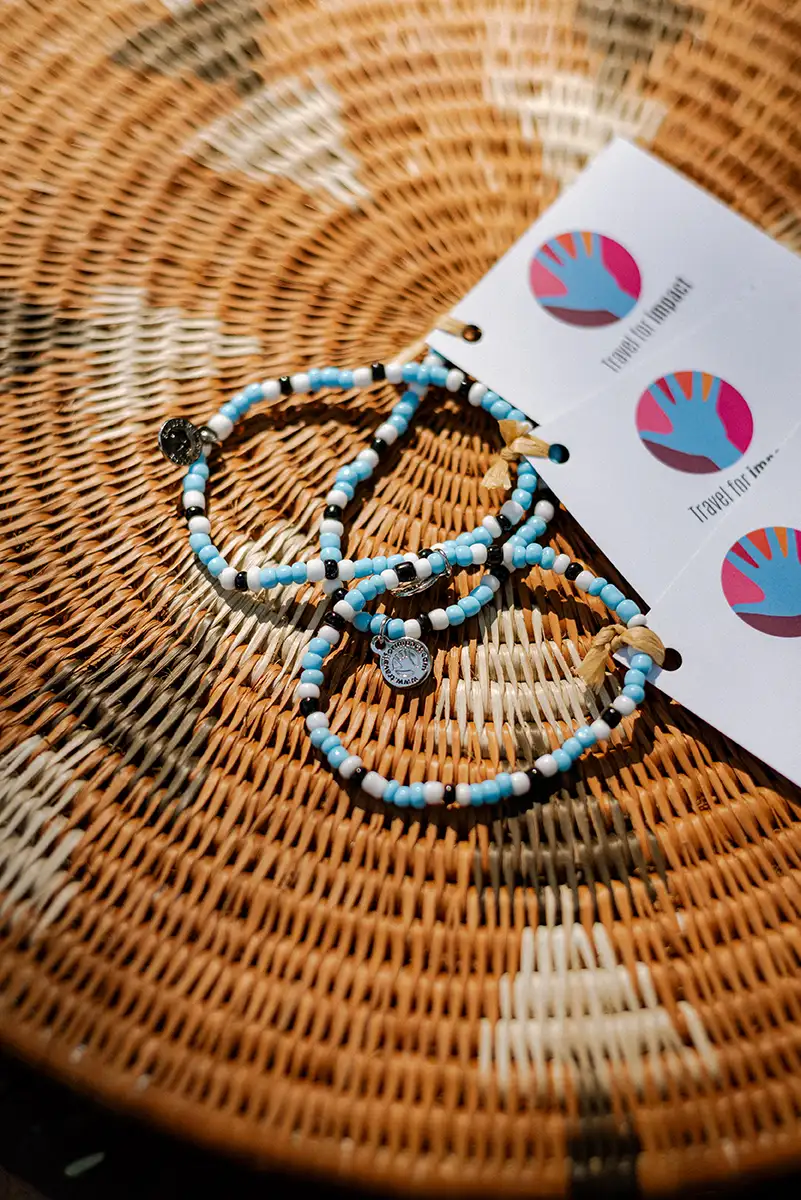
There are further prongs to the organisation: Crafted Botswana is all about craft, artisans and selling products – culture and heritage crafts.
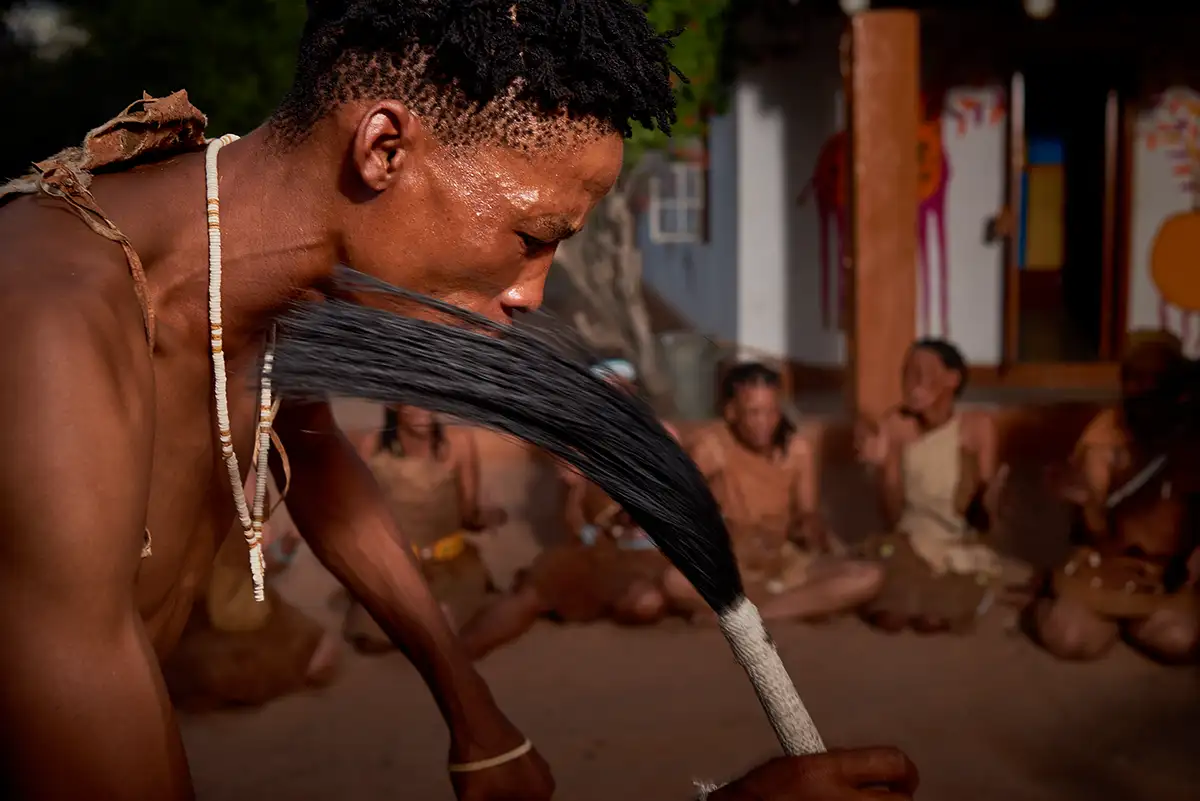
“Travel for Impact is to do with our travel experiences, such as having traditional food, a basket experience, traditional dance – culture and heritage experiences.”
And there is The People’s Path, but more on that later.
“1 USD Per BedNight supports the operational costs of civil society organisations because those are the costs that are so difficult to get met. It allows those organisations we work with to focus on what they should be doing, which is supporting their beneficiaries and the vulnerable people and animals that they work with.”
It brings consistency and confidence. The Impact Fund partners know they will be getting operational funds and don’t have to spend precious time and resources on regularly seeking funding – especially for the paying of salaries of people working in the civil society sector, which are often the most difficult funds to raise.
1 USD Per BedNight supports Bana Ba Letsatsi, Woman Against Rape, Polokong Elderly Care Centre, Maun Animal Welfare Society, Feed A Child Botswana and Shelter Botswana.
The BedNight Bank funds are earmarked for the Bana Ba Letsatsi (Sunshine Children) new psychosocial support and emergency residential building. Bana Ba Letsatsi is a rehabilitation centre that works with vulnerable children and youth, through discipline, education, counselling, sports, hygiene, and nutrition. It is currently building new facilities.
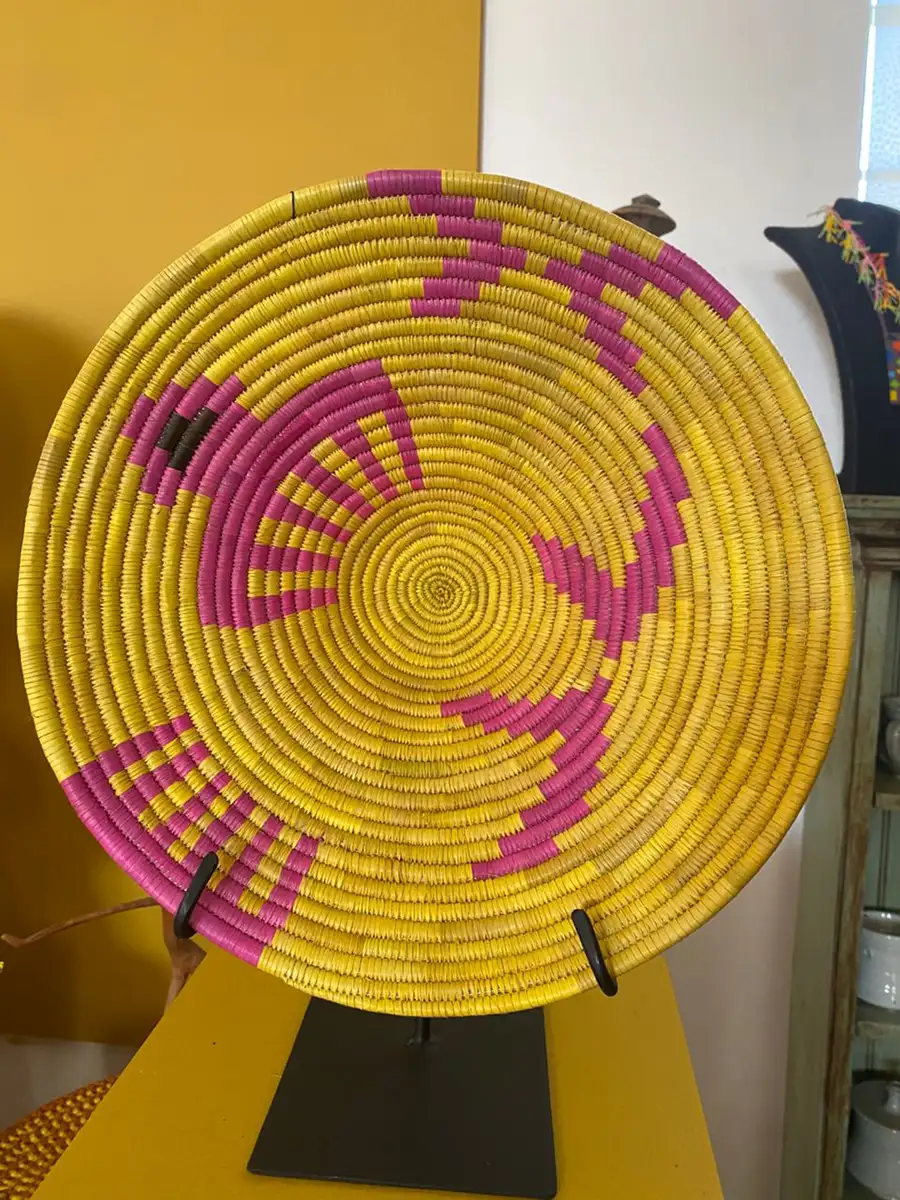
The BedNight Bank is also used for livelihood development, and Ruth says they work with many craft producers and artisans. “The idea of that is that the tourism properties – camps, lodges – buy the products that are being created and sell them in their curio shops.”
The hope is that the new EU regulations will push more people to come on board.
Melissa Foley, who spearheads Africa’s Eden’s Conservation and Community Impact programme, explains: “The EU’s Empowering Consumers for a Green Transition Directive will be in effect from September, enforcing the downstream supply chain auditing of all products that do business with it. There is a very, very real risk of losing market access where these partners in Europe and these DMCs will no longer use you if they can’t audit you and they can’t verify your sustainability credentials.”
The regulations aim to end greenwashing. They require companies operating in the EU to provide detailed, standardised disclosures on their environmental, social and governance impacts. Companies must report how sustainability issues affect them financially and on their own impact on people and the planet. Agents have to report to their home governments in the EU the social and environmental impact actions of their entire downstream supply chain. And they’ll go elsewhere if you don’t measure up.
For Ruth, Travel For Impact will bring validation – “you know your money is going to the right places”.
Over the past several years, Travel for Impact has been involved with setting up The People’s Path, a platform for reliable cultural experiences and craft suppliers. “One of the biggest challenges is creating trust in the tourism value chain that this group will be there, they will be on time, their shop will be open.”
The People’s Path is devoted to slowly growing that trust. “We’re doing a lot more work with basket weavers, for example, both for experiences and for products. It’s not huge by any means, but it’s the beginning of the journey.
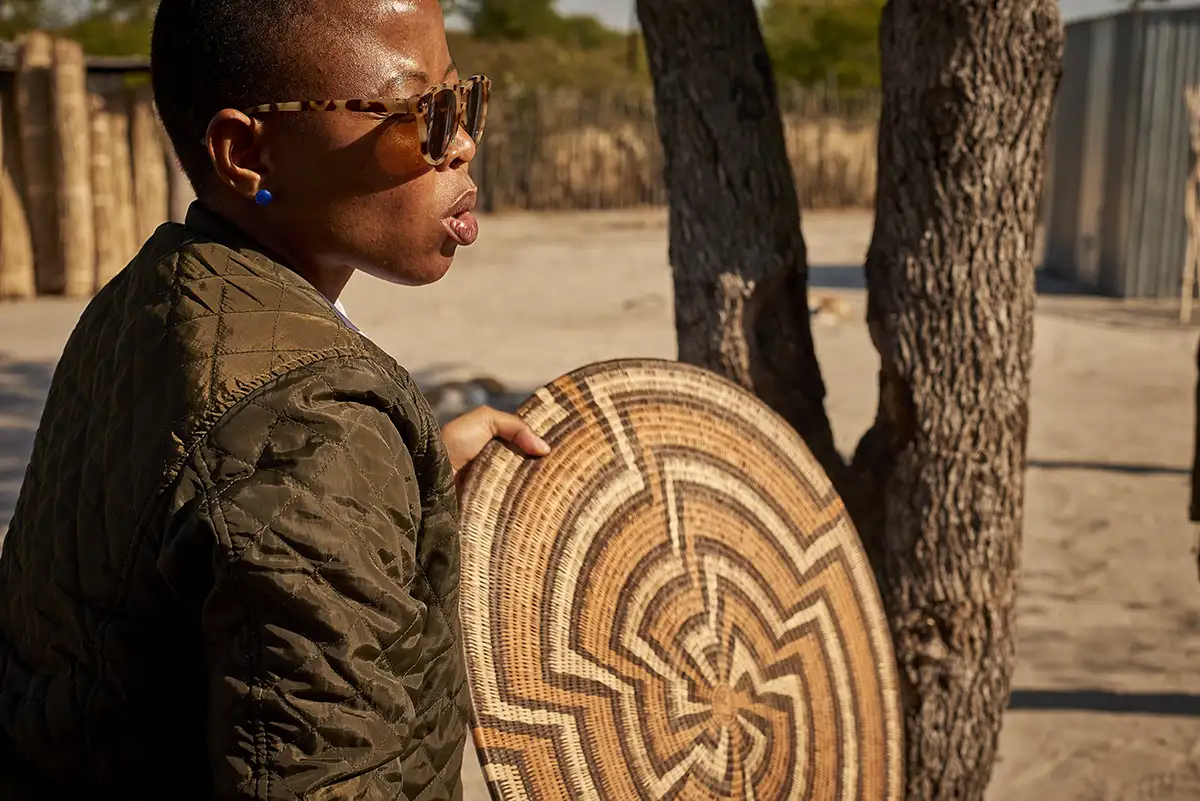
“We do product development training and quality control for crafts and for experiences. For example, Shorobe Basket Co-operative is an amazing little entity on the way to Moremi Game Reserve. We have supported them to access the tourism value chain effectively and competitively through offerings such as a basket weaving experience that people can go on – it’s a 45-minute break in your journey. They’ve also got a beautiful shop, where one can buy their crafts.”
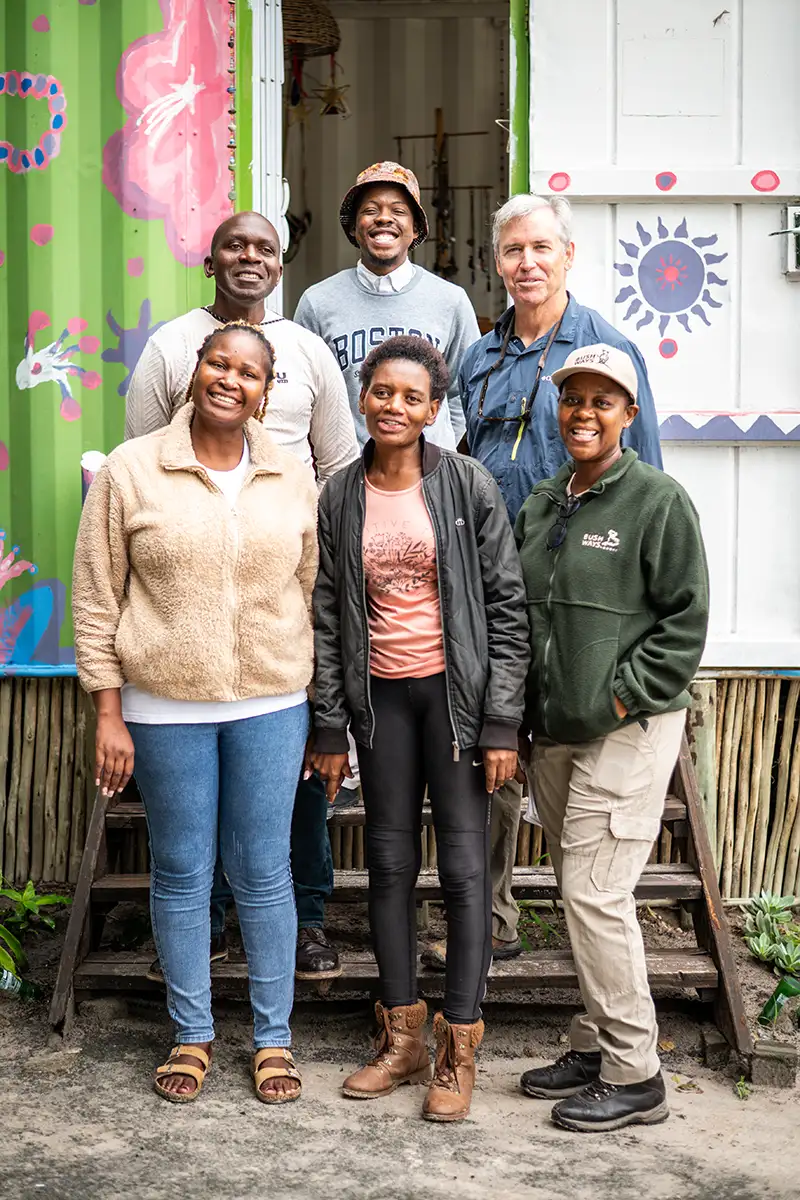
Ruth and her team give support where it’s needed, such as teaching customer service, how to engage the tourist and simple things like opening a bank account and getting a swipe machine, which brings a phenomenal change in sales.
Ruth has long been taken with Botswana, a flat and dry land so diametrically different from Scotland, the country of her birth. “My parents lived here in the early 1990s, and I did my undergraduate research and my Master’s research on the economic empowerment of Botswana women – undergraduate was aligned to craft and my Master’s to small tuck shops,” she says.
“Doing research can be quite a selfish thing. You are engaging people and talking, but it’s really for what benefit you get out of it. “I always knew I wanted to come back – not to give something back, but to keep building on the relationships and work I’d started.”
“And always aligned to economic empowerment, because to me, one of the biggest joys is seeing people being independent and reaching their true potential. I came out as a volunteer in 1996 on a three-year contract and I’m still here. I met my now-husband and have kids and cats and dogs, and life happens in amongst all of that.”
Talking about in amongst all of that, she’s built a strong team. “With Impact Fund and Travel for Impact, we’ve had ups and downs, but we have a phenomenally strong team that’s really committed to work on the ground and the work that they do.”
It’s 13-people strong, mostly based in Maun, with liaison field officers in Shakawe and D’Kar.
“I think the biggest challenge here is how tourism is structured. In Maun, people fly in and fly out – it’s really difficult to access the tourism value chain as an artisan or cultural and heritage experience.
“It’s about building trust, building relationships, and giving confidence to the industry and customers that if you incorporate, for example, a traditional restaurant in your itinerary you’re not going to be disappointed.”
She talks about bringing “fabulous value to the experience people are having in Botswana”. “It’s hard to change what’s always been here and seeing Maun as a destination not as a transit point. We don’t have the same amount of self-drive tourism as South Africa and Namibia and it can be a challenging landscape as a small business.”
Botswana’s high value, low volume policy has worked “because it’s really beautiful and pristine out there. And you don’t want to lose that either, but it’s just bringing that balance of maybe having, you know, a guest stay in Maun for a bit longer than an hour or two.”
It is starting, but it is taking time. “The whole idea of the work we do is to complement what’s already in place. It’s not to replace, but to bring a little bit of diversity and a fabulous addition to what’s already there.”
I end our chat, me in ocean-washed Cape Town, Ruth in sandy Maun, by asking her what three words define her.
“Oh my gosh. You’ve put me right on the spot … Resilient. Engaged. Focused. Optimistic is definitely one. I don’t give up. I see the glass half full which is a hard thing to do, given the work that we do. So there’s four words for you.”
As a long-time Maun resident, Ruth Stewart has a few ideas:
Do you know an SMME based in the KAZA region that supplies or supports the tourism industry and could benefit from business support, funding or improved market access? Please send their business name, location, contact details and a brief description of what they provide to impact@africaseden.travel and merinda@sigmaintl.co.za – one introduction could open the door to a valuable opportunity for a local business.