
When people picture an African safari, they imagine the unforgettable: a lion resting beneath an acacia tree, elephants crossing an open plain, or a leopard slipping silently into the long grass.
Those moments remain the heartbeat of every African safari.
But ask today’s travellers what stayed with them long after they returned home, and the answer is often something quite different.
It is the guide who shared stories passed down through generations. It is dinner beneath a canopy of stars. It is learning about the people who have called these landscapes home for centuries. It is the feeling of belonging, even if only for a few days, to a place unlike anywhere else in the world.
"The African Safari is no longer defined solely by wildlife. It is becoming a journey of connection."
Today’s traveller is more curious, more conscious and more intentional than ever before. They are seeking experiences that are authentic, immersive and meaningful. They want to understand the destination beyond the game drive and experience the culture, heritage and traditions that shape it.
Across Africa, this shift is changing the way safari destinations are designed. Architecture is drawing inspiration from local landscapes. Menus increasingly celebrate regional ingredients and flavours. Indigenous knowledge, storytelling and craftsmanship are becoming an integral part of the guest experience, creating journeys that feel genuinely rooted in place.
Luxury, too, is being redefined.
Increasingly, luxury is not measured by how much can be added, but by how deeply a destination reflects its surroundings. The greatest luxury is no longer excess. It is authenticity.
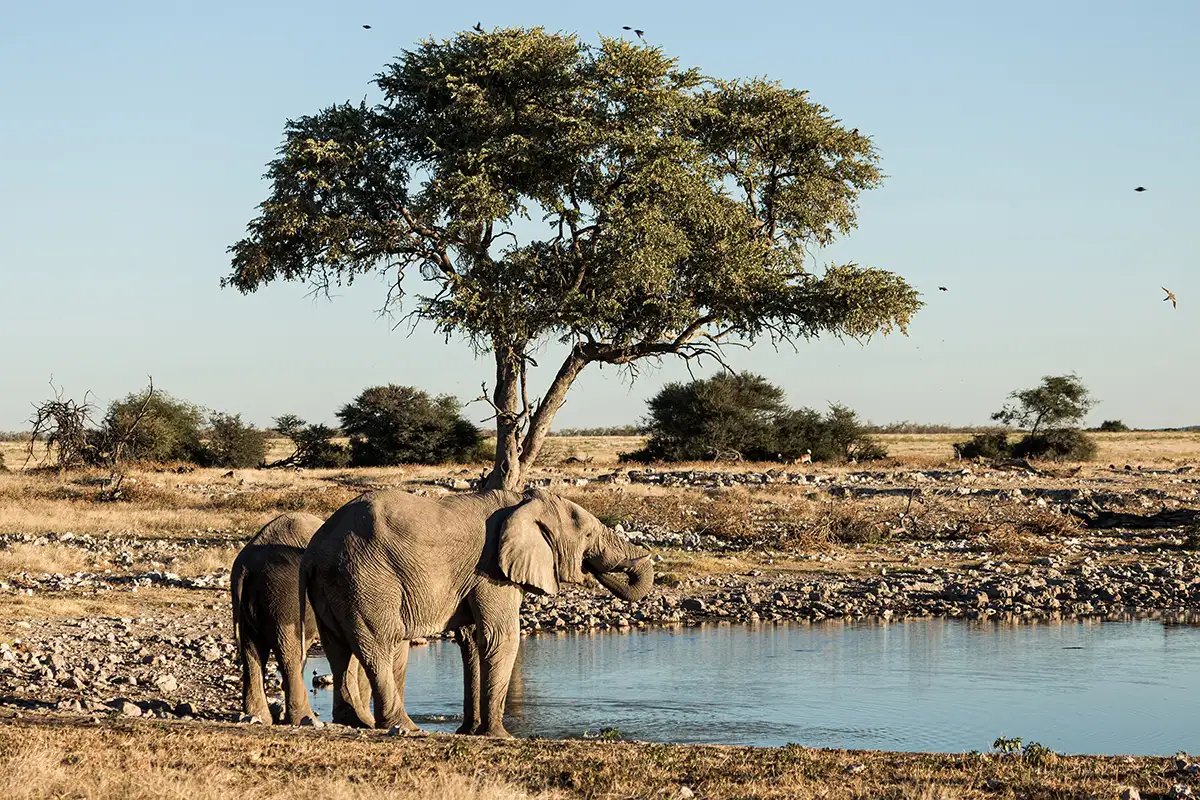
Across southern Africa, this evolution can already be seen. Walking safaris in Zambia, mokoro journeys through Botswana’s Okavango Delta, community conservancies in Namibia and cultural experiences around Victoria Falls are all expanding what travellers expect from an African safari.
But few destinations are better placed to embrace this evolution than Namibia.
Its dramatic landscapes, rich cultural diversity and globally recognised conservation success have long made it one of Africa’s most distinctive safari destinations. Here, the vastness of the savannah and the stories of the people who have lived alongside wildlife for generations are just as compelling as the wildlife itself.
Namibia’s commitment to conservation runs deep. It was the first African country to incorporate environmental protection into its constitution, laying the foundation for one of the continent’s most respected conservation and community tourism models. Today, travellers can experience not only extraordinary wildlife, but also a destination where conservation, culture and tourism have evolved together.
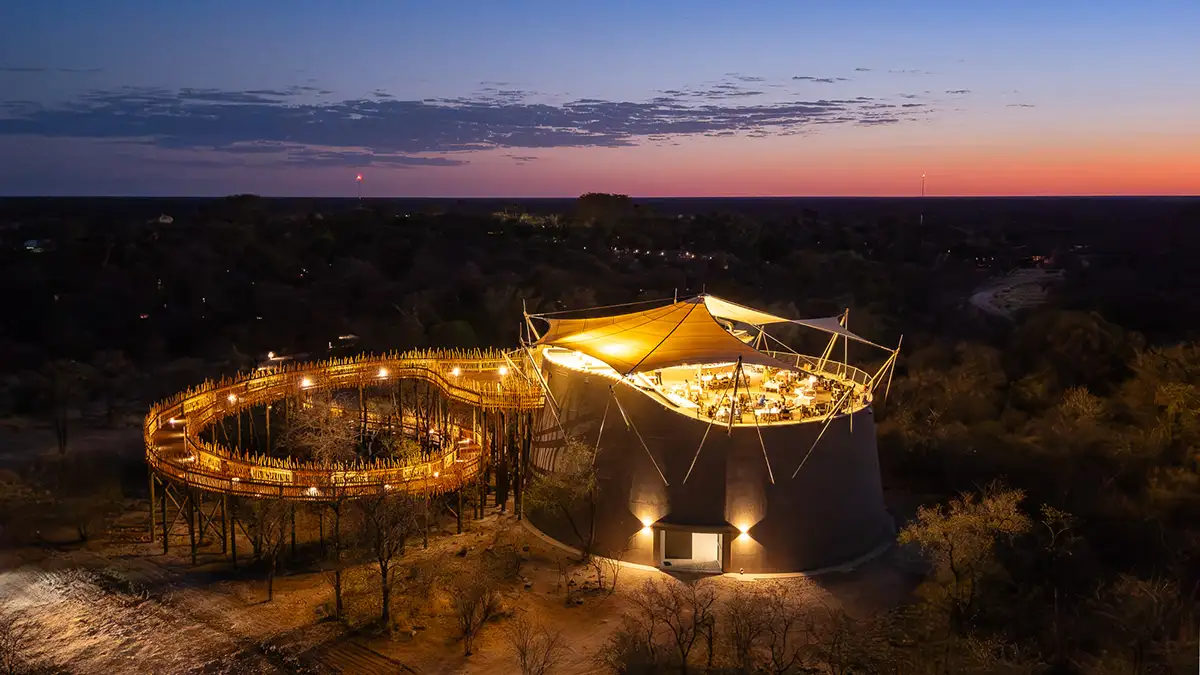
This philosophy recently found expression at Mokuti Etosha, where OL Leisure unveiled Africa Re-imagined, a N$260 million transformation that reconsiders what a contemporary safari experience can be. Rather than simply refurbishing a lodge, the project asked a more fundamental question:
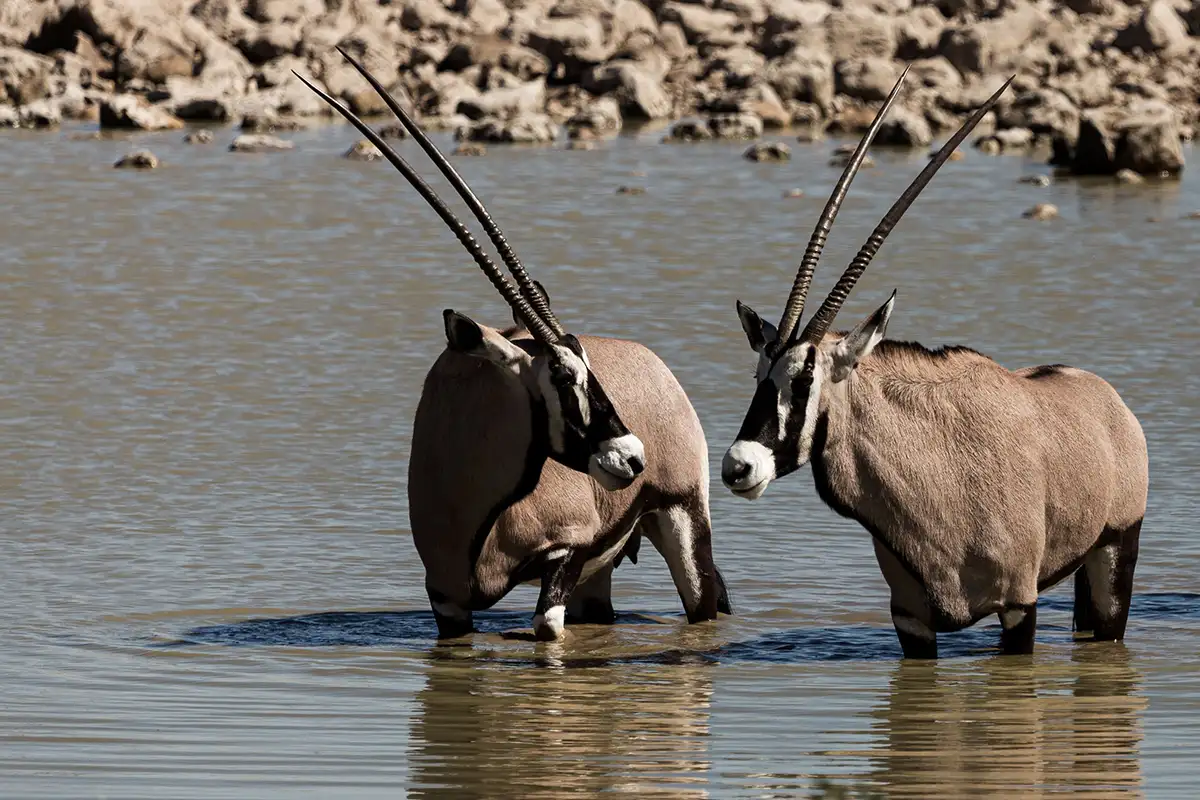
Increasingly, travellers aren’t simply looking for somewhere to stay near Etosha National Park. They’re looking for an experience that reflects Namibia’s landscapes, people and identity.
The answer lies in thoughtful detail. Guest spaces draw inspiration from Etosha’s colours and textures. Dining celebrates Namibian flavours through a contemporary lens. Leisure Chapter showcases the work of African artisans, while experiences are designed to foster a deeper connection between travellers, the landscape and local culture. Located just 40 metres from the Etosha Von Lindequist Gate, Mokuti has become more than a gateway to a national park. It has become a gateway to Namibia itself.
Travellers are increasingly asking a new question before they book: Will my visit leave this place better than I found it?
That shift is helping to drive the growth of regenerative tourism — an approach that goes beyond reducing environmental impact to actively supporting conservation, celebrating local cultures and creating lasting benefits for communities.
Across Africa, safari lodges are responding by investing not only in wildlife protection, but also in local employment, cultural experiences, regional food, traditional knowledge and partnerships with neighbouring communities.
Mokuti Etosha reflects this wider movement. Its Africa Re-imagined philosophy places Namibian identity at the centre of the guest experience, from celebrating local artisans and cuisine to creating opportunities for travellers to engage with the heritage and stories of the Hai//om people.
Ultimately, the future of safari tourism will not be measured only by the wildlife visitors encounter, but by the positive impact tourism leaves behind for both people and place.
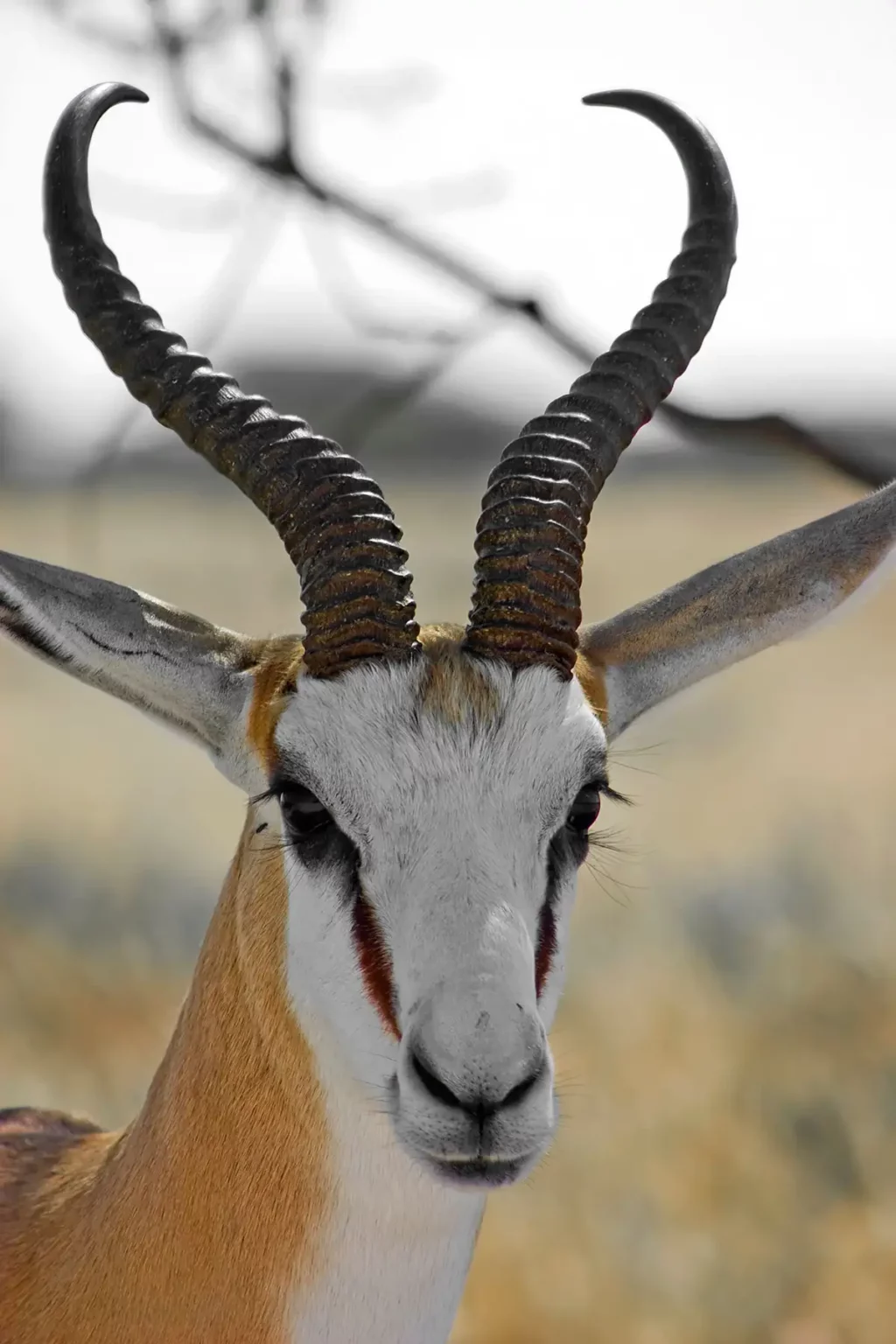
The safari has never stood still. From conservation tourism and photographic safaris to wellness retreats and slow travel, every generation has redefined what it means to explore Africa.
Today, another chapter is unfolding.
The most memorable safaris of tomorrow will not simply be measured by the wildlife they protect, but by the stories they share, the communities they support and the lasting connections they create between travellers and the places they visit.
Across Africa, destinations are recognising that extraordinary wildlife may inspire the journey, but it is culture, heritage and authentic human connection that transform a holiday into a truly unforgettable experience.
Perhaps that is what a reimagined safari really means.
Not changing Africa, but discovering more of it.
Because long after the photographs have been shared and the game drives have ended, what travellers remember most is rarely a single sighting. It is the feeling of having experienced a place deeply, understood it more fully, and, for a brief moment, become part of its story.
