By Kathleen Retourne
A chimpanzee smiling for a selfie. A parrot that can talk. A baby wild animal raised like a pet. These encounters may seem harmless, even heartwarming, but behind many of them lies a far darker reality.
In Zambia’s Copperbelt Province, Chimfunshi Wildlife Orphanage Trust has spent more than four decades caring for animals rescued from the illegal wildlife trade, exotic pet ownership, and exploitation for human entertainment. What began in the early 1980s with the rescue of a single orphaned chimpanzee has grown into one of the world’s largest and longest-running chimpanzee sanctuaries, providing a permanent home for more than 150 chimpanzees.
Every animal that arrives at Chimfunshi brings a different story. Many have been orphaned, neglected, trafficked, or kept in captivity for years. Recovery is rarely simple. Some chimpanzees must learn how to interact with their own species for the first time, while others require ongoing medical or behavioural support. Integrating rescued individuals into established social groups can take months or even years, demanding patience, expertise, and careful observation from the sanctuary’s dedicated team.
For many, Chimfunshi is the first place they experience safety, stability, and the opportunity to simply be chimpanzees.
And their stories reveal an uncomfortable truth: the demand that fuels these rescues has not disappeared.
Across the world, some facilities allow visitors to interact with chimpanzees or other rescue animals. While these may seem harmless, they often prioritise profit over animal welfare. For animal lovers, it may be tempting to get up-close, but it can come at a huge cost to the animal.
Leila’s story is one example. Laeila is a chimpanzee who was discovered at an amusement park in Angola, chained to a tree, malnourished, and dependent on visitors for food. For human entertainment, she was given alcohol and cigarettes. Arriving at Chimfunshi in 2018, Leila was given the chance to recover. Today she is an intelligent, confident chimpanzee whose transformation reflects both the resilience of her species and the importance of sanctuary care.
Then there is Noel. Kept as a pet in the Democratic Republic of Congo for twelve years, she too spent much of her life chained to a tree after becoming too strong to control. She arrived at Chimfunshi in 1991. Now aged 45, she has acted as a surrogate mother to more than eleven orphaned chimpanzees.
As Sheila Siddle, the founder of Chimfunshi, once observed:
"Chimpanzees have suffered so much pain and trauma at the hands of humans, yet they still have the grace to forgive us."
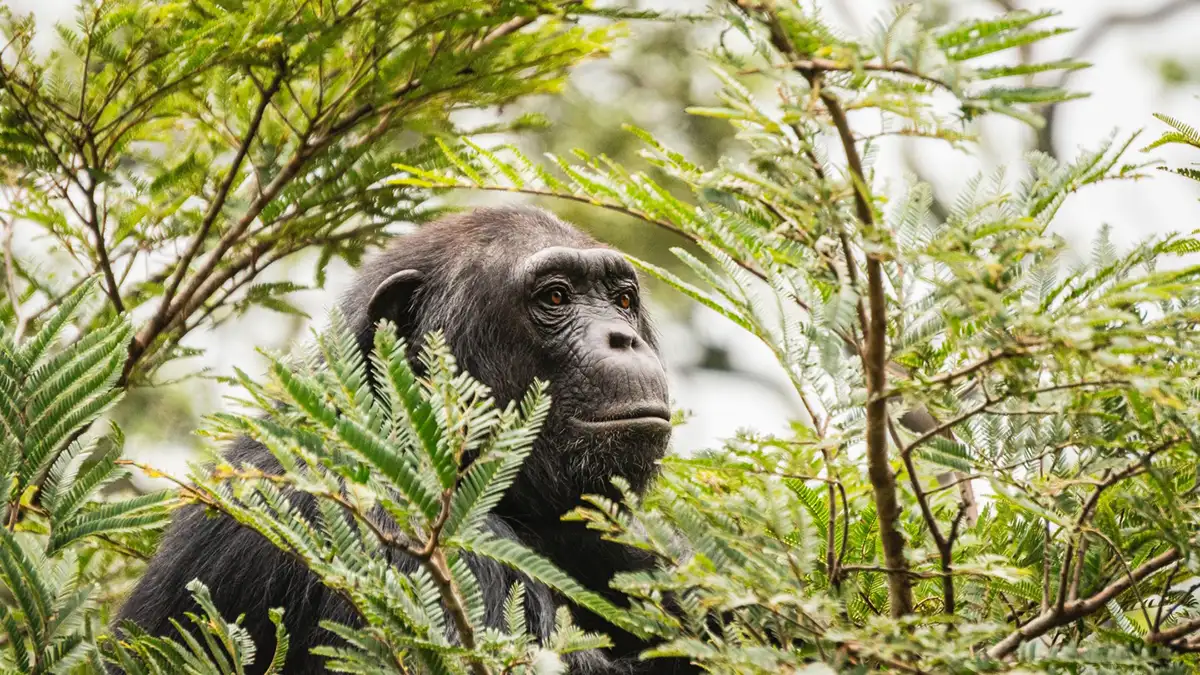
Today, the problem of human animal encounters extends beyond tourist attractions.
Videos showing chimpanzees behaving like humans attract millions of views online. While these clips may appear entertaining, they send a dangerous message: that chimpanzees enjoy living alongside humans.
The popularity of this content can increase demand for exotic pets and close-contact wildlife experiences.
Chimpanzees are not the only species paying the price.
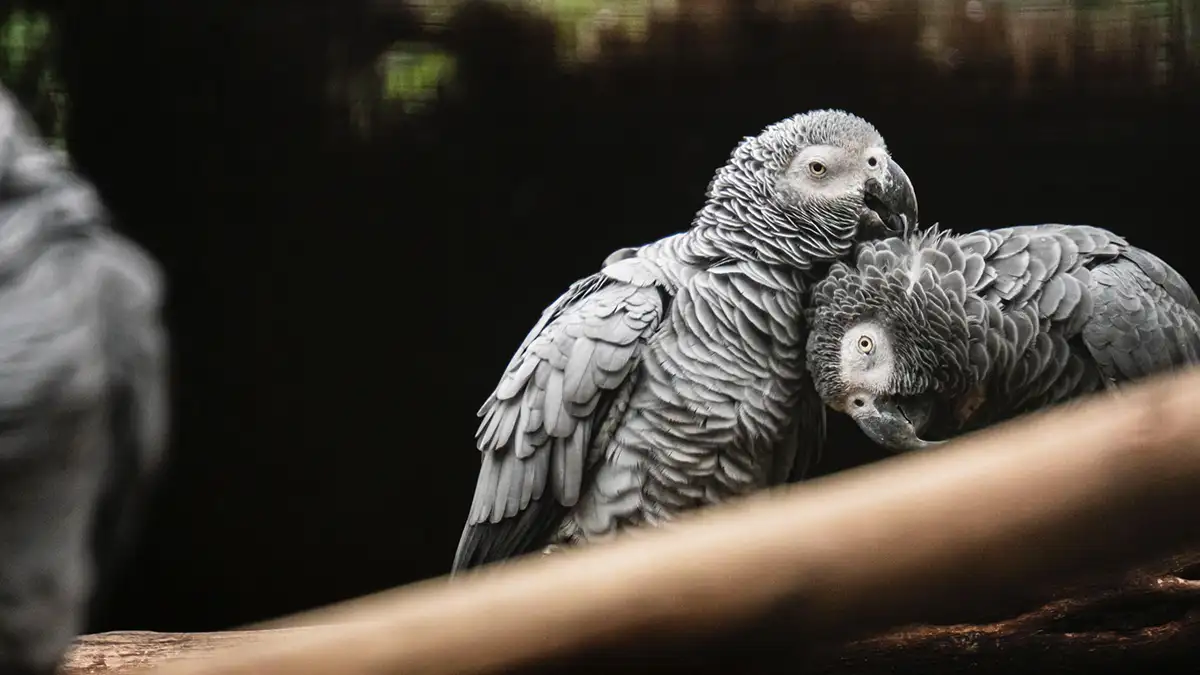
Chimfunshi also provides refuge for African Grey parrots confiscated from traffickers and private owners. Famous for their intelligence and ability to mimic human speech, African Greys have become viral on social media, driving demand for them as pets.
Yet, millions of African Grey parrots die during capture and transport. Those that survive often develop chronic stress, feather plucking, anxiety, and self-mutilation.
At Chimfunshi, these rescued birds are given the opportunity to recover in a safe environment while helping visitors understand the consequences of the exotic pet trade.
Wildlife tourism has the ability to inspire people to care about conservation. But there is a difference between observing animals behaving naturally and exploiting them.
Behind every encounter or viral video may be an animal denied its natural behaviours and deprived of the life it should have lived.
But, behind every rescue at Chimfunshi, is a second chance for them to get the life they always deserved.
Chimfunshi Wildlife Orphanage Trust is a proud Africa’s Eden’s Community and Conservation Network, which brings together organisations across Southern Africa that are working to create a better future for wildlife and local communities. From protecting endangered species and restoring habitats to supporting education and livelihoods, the network highlights the many ways tourism can be a force for good. Every visit, donation, and act of support helps ensure that stories like Leila’s and Noel’s become stories of recovery rather than loss, and that future generations inherit a world where wildlife belongs in the wild.

