Across Southern Africa, water shapes some of the most memorable travel experiences. Rita Jardine shares a series of personal reflections on the stillness, energy and connection found on the region’s rivers and waterways.
Water has always been a vital part of my life, whether it’s capturing reflections on a still lake or watching cascades tumble down a waterfall. I find deep joy in listening to the peaceful sounds of a river moving past, and I’ve also experienced its more exhilarating side, kayaking class five rivers in Zambia and Uganda.
What I’ve come to realise is that water doesn’t just shape the earth, it shapes how we experience travel. Across Southern Africa, it creates moments of stillness, adrenaline, connection and reflection.
From slow, meditative journeys through delta channels to high-energy river adventures, these experiences reveal just how powerful water can be in shaping a safari.

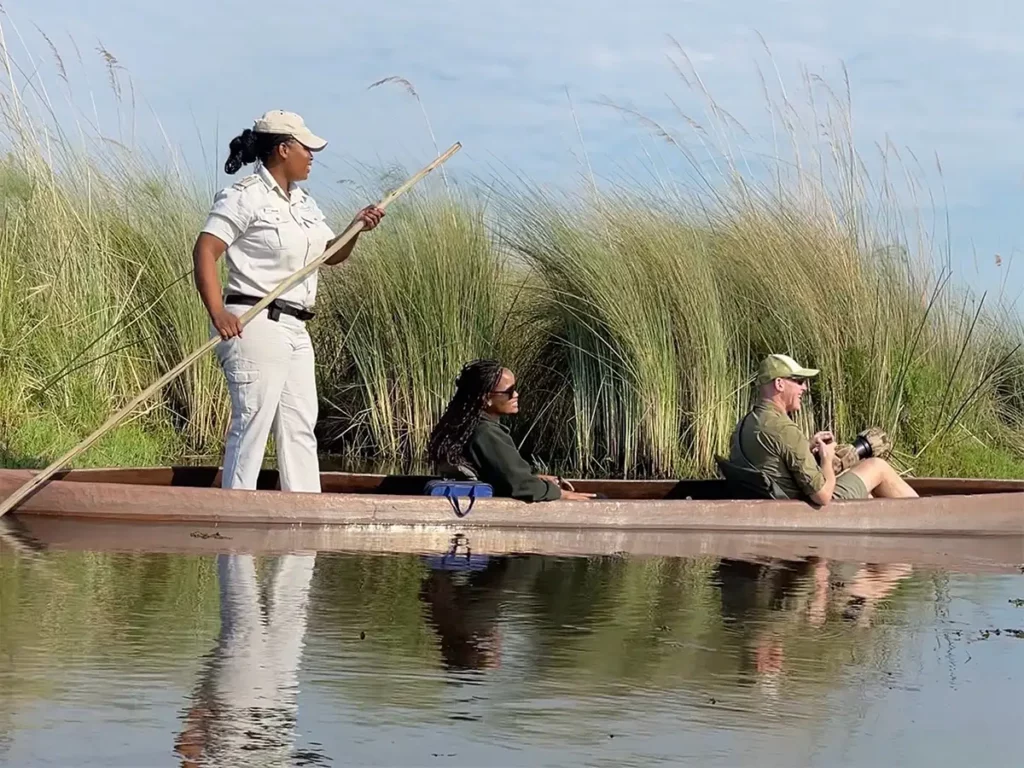
I’ve travelled many times by mokoro or dugout canoe in different parts of Africa. It’s an affordable, traditional form of transport and one of the most peaceful ways to experience the landscape. I’ve seen men step aboard in three-piece suits, families in full regalia heading to church, and, of course, tourists enjoying it as part of their lodge stay. Gliding serenely through the water brings you close to wildlife and surroundings in a way few other experiences can.
The mokoro remains a living heritage. Once carved from trees for fishing and transport, it is still an iconic, aesthetically pleasing, eco-friendly way to navigate the shallow waterways and observe game. Without engines, the only sounds are water, birds, and the pole moving through the reeds, inviting you to be present. The slight wobble adds an exciting element to wake you from your reverie. The boat resets, and the guide pushes forward with his pole or oar.
This traditional way of moving through nature becomes more than transport; it’s a form of quiet restoration, reconnecting to the environment and is deeply calming. Researchers refer to natural water environments as “blue spaces”, and studies suggest that time spent around rivers, lakes and oceans can significantly improve mood and reduce stress.

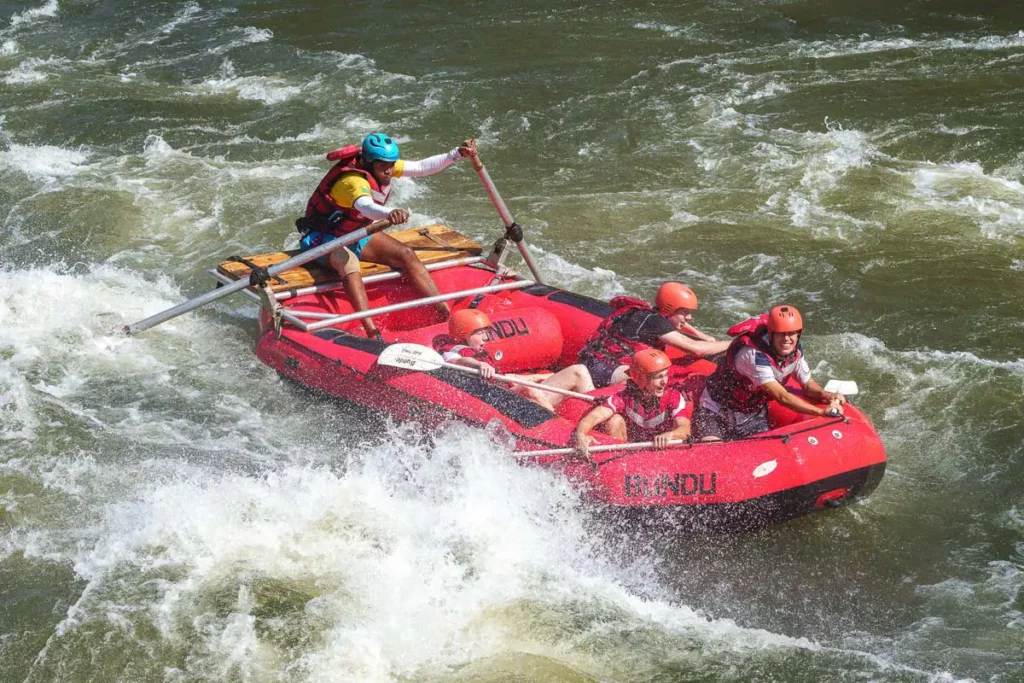
From the stillness of the water to its raw power, white water rafting offers a completely different way to experience Africa’s rivers. It combines spectacular scenery with adrenaline, full immersion in nature, physical challenge and shared moments that stay with you long after the trip ends.
Having rafted and kayaked in many countries, the Zambezi stands out as one of the most thrilling yet accessible rivers, shaped by dramatic scenery and guided by experienced teams who know every line. Expect big rapids, the occasional swim, and moments of pure exhilaration balanced by the beauty of the gorge.
For those with time, multi-day trips add another dimension, with nights spent on sandy islands under open skies, bringing a sense of exploration into the experience.
The intensity of navigating the river often creates a state of “flow”, where focus sharpens, distractions fall away, and a deep sense of satisfaction follows the challenge..

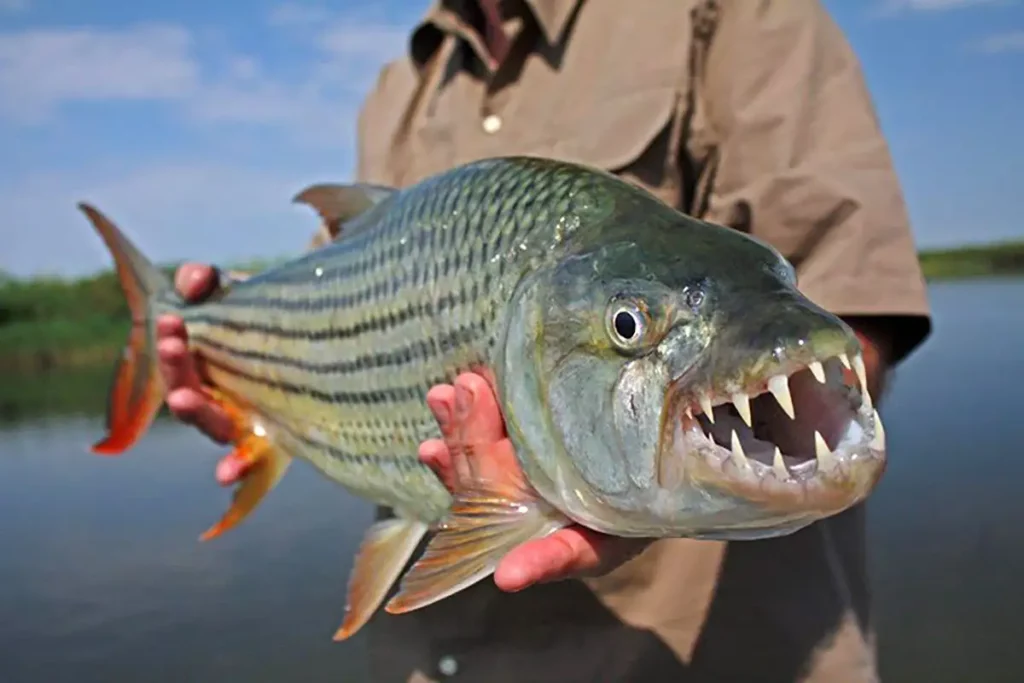
African rivers have a plethora of fish, and it’s an angler’s dream to visit the rivers in search of Tigerfish. They have an almost elusive reputation to many who want to capture this freshwater predator.
I used to help out a Botswanan film company who were also “fixers” for the BBC. One of our projects was around the tigerfish and the logistics of filming the adventure taken to catch one. With hippos and crocodiles in the river, and a variety of wildlife on the banks, this made for action-packed, picturesque TV. I was beyond excited when I caught my first one, dagger-like teeth and beady eyes peering at me as if I was the prey.
Scientists believe humans are naturally drawn to water because of our evolutionary relationship with it, a concept known as biophilia. I certainly feel that draw!

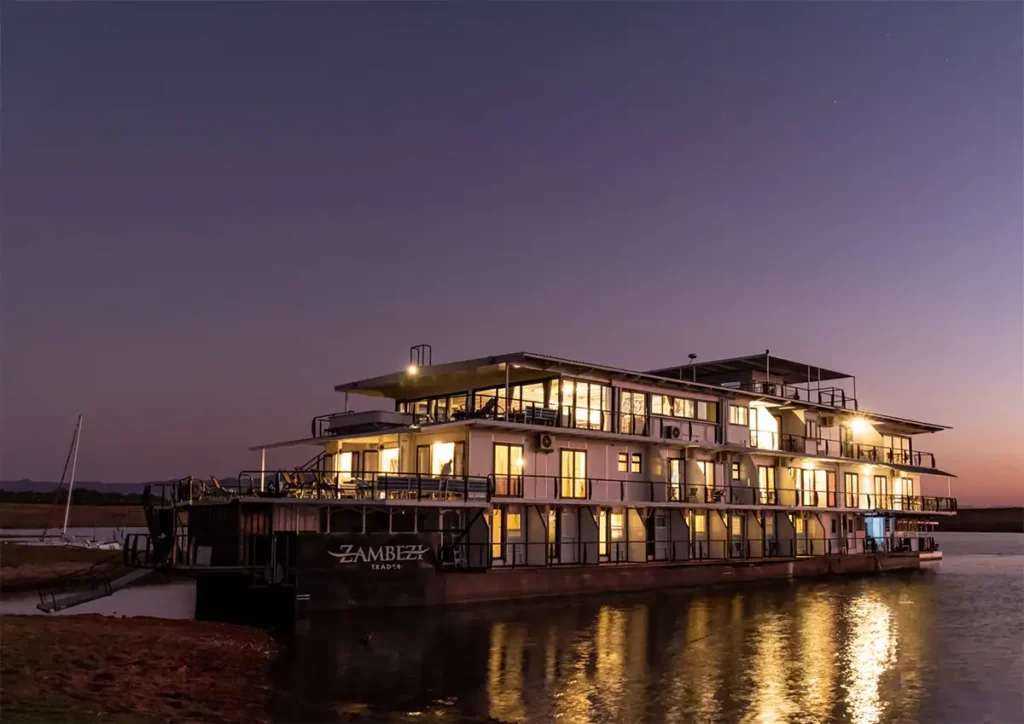
One of the most immersive ways to experience safari is by boat, and I’ve been lucky enough to see this from a very personal perspective. My father-in-law had a houseboat on Lake Kariba, and time spent on the water there felt completely unhurried. With game viewing, fishing, stargazing and a personal chef on board, you were free to simply settle in and absorb it all.
I loved working on multi-day trips. The logistics were always carefully planned, but once we were on the water, everything slowed. We would stop on islands, walk along untouched stretches of land and scan for wildlife. At night, the sounds stay with you, hippos grazing nearby, the occasional rustle in camp, and vast, uninterrupted skies overhead.
That same sense of immersion carries into the Okavango Delta, just in a quieter, more pared-back way. Multi-day journeys through the channels offer a slower, more intimate connection to the landscape, where the experience is shaped by stillness, proximity to wildlife and the rhythm of the water.
Whether on Kariba or in the Delta, travelling this way strips safari back to something simple and deeply restorative, less about ticking off sightings, and more about how it feels to move through the wild.
Looking into booking your own adventure? Find an Africa’s Eden safari specialist near you.

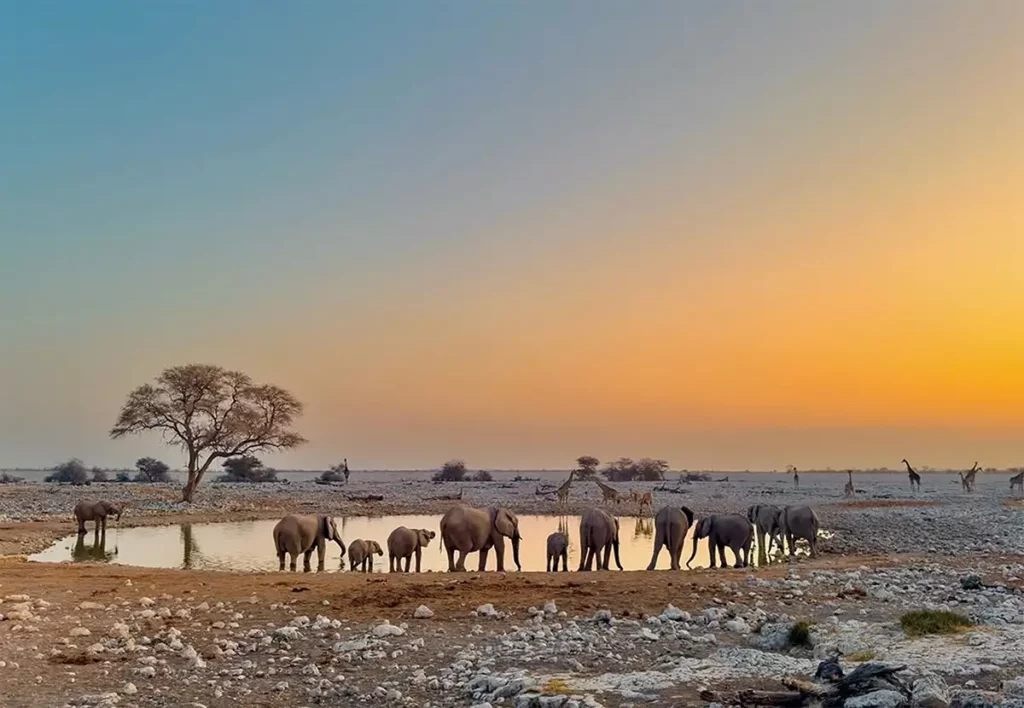
Few safari moments compare to the quiet anticipation of a watering hole at sunset. Sitting back and watching as animals arrive to drink and bathe is both calming and quietly thrilling. Whether from a lodge deck or a game vehicle, it’s a front-row seat to the rhythms of the wild.
In some places, you can even watch it unfold from your room, a shower perfectly positioned to overlook the scene as the day winds down.
Psychologists describe these environments as creating “soft fascination”, a gentle engagement that allows the mind to rest and recover from the demands of daily life.
Whether it’s the thrill of navigating rapids, the quiet rhythm of a mokoro, or the stillness of a watering hole at dusk, water has shaped some of my most memorable experiences in Africa.
It has a way of grounding you, pulling you into the present, and leaving you with a sense of calm long after the journey ends.