
Music is a universal language, and traditional songs, instruments and rhythms create an unmistakeable sense of place and belonging, writes Lorraine Kearney.
Photo courtesy Matetsi Victoria Falls
The fire settled into a steady glow in the deep blackness of the Zimbabwean night. Our voices stilled as we reflected on the day’s adventures – a pair of stroppy bull elephants in musth had made for a hair-raising ride earlier.
It was April, still warm, and a fire wasn’t strictly necessary; but somehow the glow of the coals always brings the best end to a day on safari.
And then the first few notes of a mbira cut through the quiet of the bush. It’s not a loud instrument – there’s no get-up-and-dance drive here – but it carries a weight that catches you by surprise. A circle of soulful sound beneath the stars.
I was at Camp Chitubu in Hwange National Park, and camp manager Roy Majachani brought out his mbira as we sat around the fire after dinner. He sang a traditional song called Vamudhara (Old Man) and it set the tone for an extraordinary adventure.
The harmony of the instrument and his soft voice blended with the night sounds to create a perfect evening. When I listen to the recording I made, I am back in the park that dark night, the soft air rubbing itself against my skin, the sky filled with shooting stars.
Smell, sound, cloth, artefact – they all work to create a sense of place and timelessness.
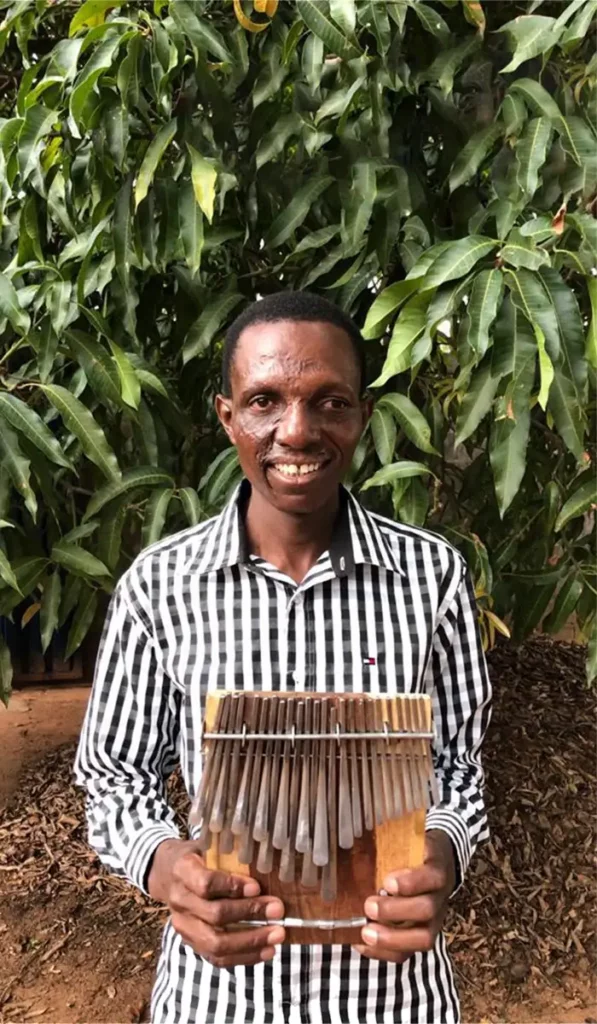
The mbira is a quintessential Zimbabwean instrument, so much so that the “Art of crafting and playing Mbira/Sansi, the finger-plucking traditional musical instrument in Malawi and Zimbabwe” was added to the UNESCO Representative List of the Intangible Cultural Heritage of Humanity in 2020.
Metal-tined lamellophones – which are often simply called thumb pianos – appeared in the Zambezi River valley about 1,300 years ago. From there, they travelled across the continent, adopted by the Shona and other groups in Mozambique.
There are many types of mbira. The Shona’s mbira dzavadzimu (‘voice of the ancestors’) is the national instrument of Zimbabwe. It is often played at religious ceremonies and social gatherings.
Mbira nyunga nyunga, which normally has 15 keys, originated in Manicaland in the Eastern Highlands. The WaManyika traditionally played it for entertainment.
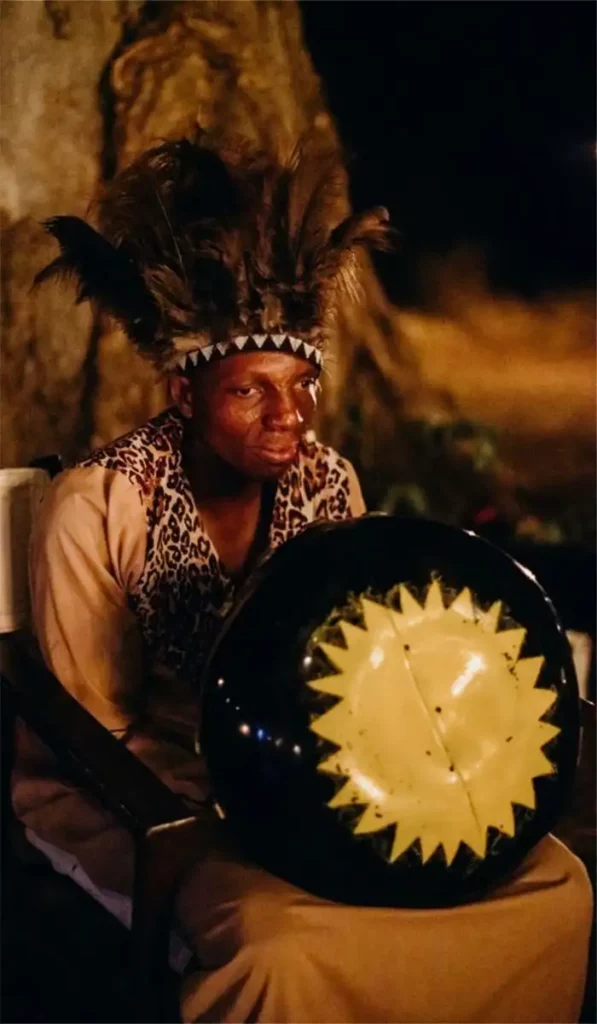
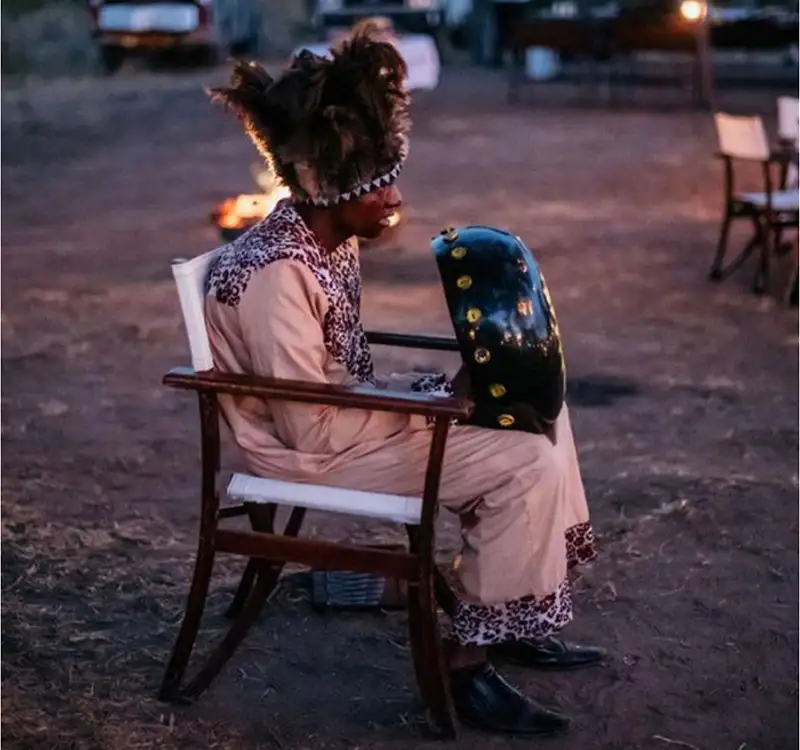
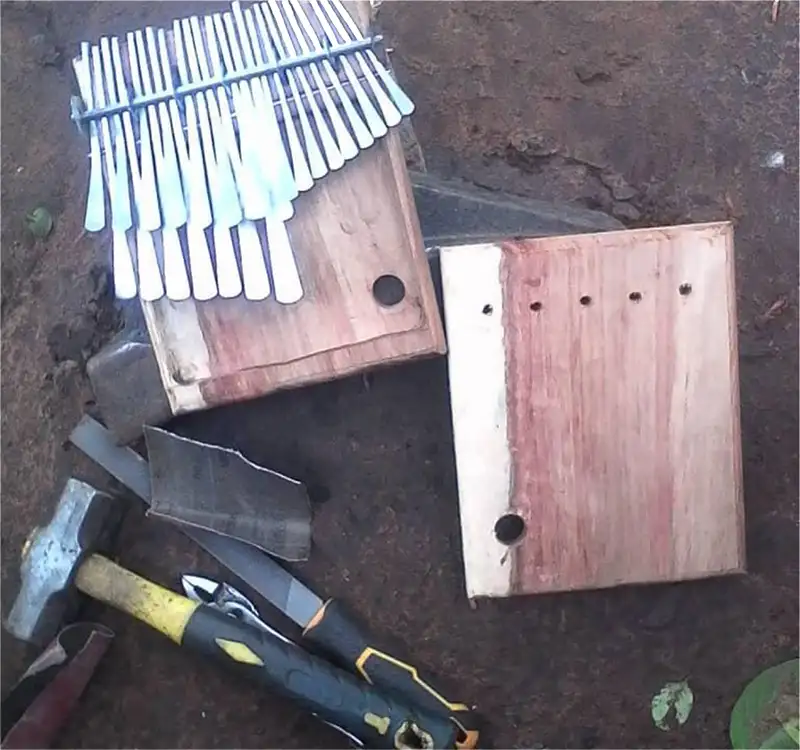
At Matetsi Victoria Falls, the mbira is played to share the beauty and spirit of the country through Pardon, part of the grounds team and a gifted mbira player and maker.
Pardon shows his heritage to Matetsi’s guests, serenading diners at bush and boma dinners.
The mbira has shaped Zimbabwean, connecting music, spirituality and community, says Olivia Riley, the sales and marketing co-ordinator.
Often described as a ‘telephone to the spirits’, it’s central to Shona tradition. It’s used to connect with spirits and ancestors, guide communities, and mark life’s most important moments.
‘When played under the stars at Matetsi Victoria Falls, the mbira creates a powerful and emotive connection between guests, the landscape, and the spirit of Zimbabwe.
‘They’re not staged performances, but authentic moments of sharing. Our guests are welcomed into a living tradition that has been passed down through generations, creating a deeper, more personal sense of place and connection to Zimbabwean culture.’
Victoria Falls Safari Lodge is the grand-dad of sharing culture, beating a path for others to follow. Don’t leave town before you’ve experienced the three-hour immersive cultural dining experience that is The Boma – Dinner & Drum Show.
It begins by welcoming guests to a traditional hand-washing ceremony, and dressing them in chitenge on arrival. They feast on a four-course buffet of local delicacies such as mopane worms, game meat and potjiekos.
And then the show begins: there is interactive drumming, traditional dancing, a fortune teller and a hair braider; face-painting, mbira players, and a storyteller.
And when you’re in Africa’s Eden, to wash it all down, a glass of wine… Painted Wolf Wines for Conservation is based in Cape Town, South Africa, but its conservation-focused wines are sold across Kaza by Under the Influence – and online.
The winery donates about 4% of the sale of every bottle to conservation projects, and has raised about $250,000 for African wild dog conservation since 2008.
Emma Borg, the founder, is very much a champion of African art. The logo was designed by a local artist, and all the wine labels are the work of local artists.
‘All of our labels have always been of African wild dogs. We’ve had a wonderful journey with various artists. Lin Barrie, a Zimbabwean artist, created some of our more premium labels.’
But back to that April night in Hwange, the fire dampened into a low glow, the sharp scent of mopane smoke drifting into the dark. The last vibration of Roy’s mbira faded into silence and a lion rumbled in the distance. I will remember his song for a long time, and the profound joy of sharing something so human with others.
