
One of the best ways to keep your travel memories alive is through food. Long after your safari is done and you’ve returned home, the taste of your travels can still linger in your kitchen.
Whether it’s flipping through a cookbook, brewing a cup of Malawian coffee, adding a sprinkle of Namibian sea salt to your dinner, or sipping an Okavango Gin, food souvenirs are a delicious way to relive your travels. From the hearty stews of Botswana to Zimbabwe’s vibrant township flavours, there’s no shortage of culinary treasures to bring home.
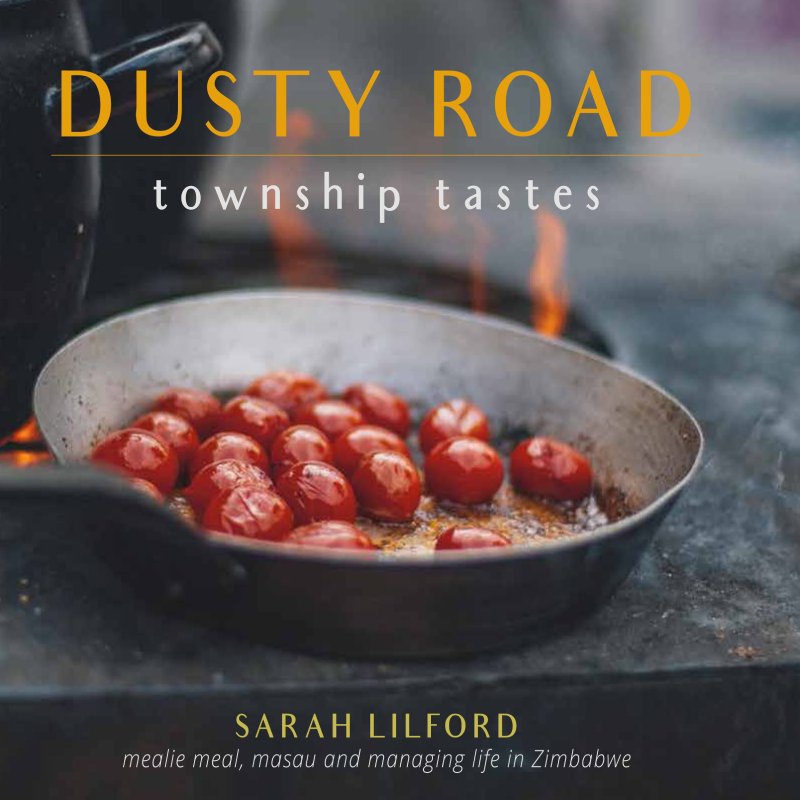
Dusty Road Township Tastes: Zimbabwe’s Must-Have Cookbook
To bring home a reminder of the taste of Zimbabwe, get your hands on a copy of Dusty Road Township Tastes by chef Sarah Lilford. The Dusty Road Experience is more than just a restaurant, it’s a celebration of Zimbabwean culture, cuisine, and community. With vibrant decor, cheerful ambience and an ingenious take on local dishes, this is a warm, authentic township dining experience, right in the heart of Victoria Falls. “The Dusty Road style is cheerful, earthy, soulful and funky with a true purpose at its core”, says Sarah, “the welfare of women and children, female empowerment and the awareness of Zimbabwean food and culture is of huge importance to us.”
Affectionately known as ‘Mama Sarah’, Sarah Lilford’s passion for showcasing Zimbabwe’s culinary traditions shines through in both the Dusty Road Experience and in her cookbook. “I grew up on a commercial farm in a place called Guruve, Zimbabwe, which was very much where my love of local produce, rural living, cooking, and people became my passion,” she says.” Sarah opens the door to Zimbabwean cooking. From innovative dishes like Tree Tomato Cheesecake and Cricket and Cornflake Crunchies, to traditional favourites such as Oxtail Potjie and lots in-between, her cookbook offers a diverse array of recipes designed to delight, and Sarah’s storytelling as she shares her experiences of setting up the restaurant, are bound to entertain. Amateur and experienced cooks alike will delight in recreating these unconventional recipes whose ingredients or substitutes, can be found in most markets and homes.
Victoria Falls Gin
Victoria Falls Gin is infused with the wild spirit of the Zambezi region. Crafted in small batches using locally sourced botanicals—like baobab fruit, mopane, marula, and rooibos—this gin offers a taste of Zimbabwe’s natural heritage in every sip. It’s refreshingly smooth, with citrusy notes and an earthy finish, perfect for a sundowner that brings your African adventure right back to your glass. Beautifully packaged and proudly made, it’s a sophisticated souvenir to savour or share.
Baobab Powder
Baobab is deeply rooted in Zimbabwean culture and is valued for both its nutritional and medicinal benefits. Made from the fruit of the iconic baobab tree, this superfood is rich in vitamin C, antioxidants, and fibre. It has a slightly tangy, citrusy flavour and can be added to smoothies, porridge, or baked goods.
Tanganda Tea
The tea plantations in the Eastern Highlands of Zimbabwe produce some of the finest quality leaves. Zimbabwe’s most famous tea brand is Tanganda, which produces a variety of teas, including black tea, herbal rooibos, and flavoured blends. It’s a perfect everyday drink and a great way to bring a taste of Zimbabwean hospitality home with you.

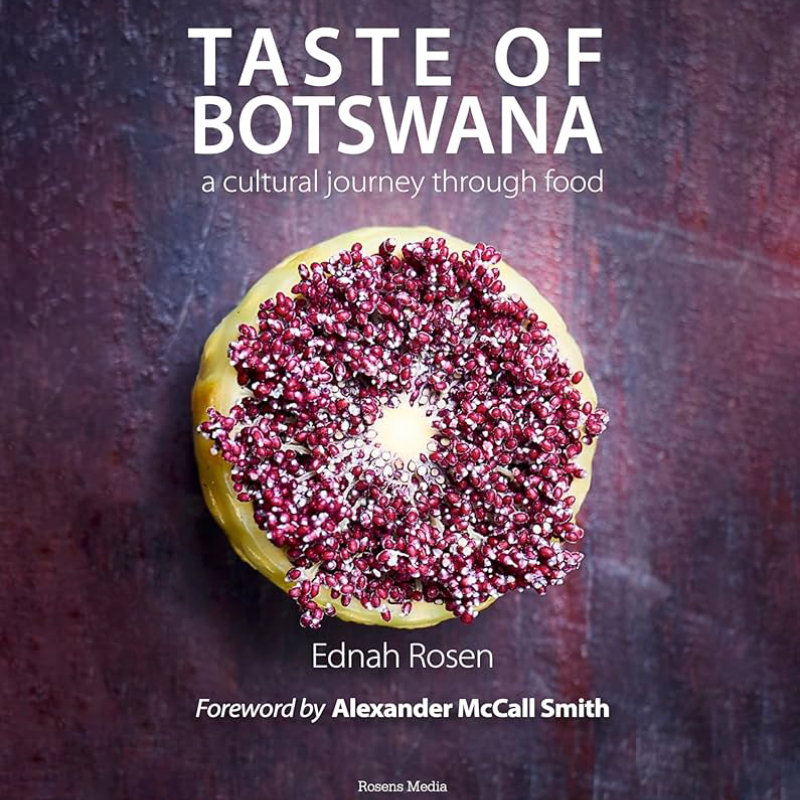
Taste of Botswana: Ednah Rosen’s Homage to Heritage
Born and raised in Mahalapye, Botswana, Ednah’s relationship with food began at a young age. As a curious and somewhat fussy eater, she often frustrated her mother with her selective appetite. Her mother encouraged her to experiment in the kitchen, and as she grew older her passion for cooking blossomed. Time spent living in Sweden and over two decades of hosting and cooking for others has seen Ednah develop a unique cooking style that blends her African roots with international influences.
Ednah grew up surrounded by food that told stories and, for her, Taste of Botswana is more than just a cookbook, it’s a way to showcase her country, her people and her culture, through food. The book is a celebration of Botswana’s culinary heritage and cultural traditions. Through vivid storytelling and stunning photography, Taste of Botswana highlights the connection between food and the nation’s identity. From the communal rituals of harvesting sorghum to the joyous celebrations of a shared meal, the book invites readers to experience the essence of Botswana life. “My mission today is to preserve, protect and promote our cultural heritage through food,” Ednah says. “Taste of Botswana is also an inspiration to go back to our roots and use our indigenous ingredients in a traditional way as well as in a modern way”.
From Seswaa, Koko ya Setswana (free-range chicken) and Mokoto (tripe and beef stew) to Magwinya (fat cakes) and vegan offerings like Lehata (sorghum and mung bean stew), Ednah passes on her unique twists to much-loved recipes, making this cookbook a mix of traditional and new recipes and honouring her Setswana culture.
Okavango Gin
Okavango Gin was created by a handful of like-minded naturalists, safari guides, botany enthusiasts and hospitality experts, who all share a love for the wilderness of the Okavango Delta. A blend of pure Okavango water, coupled with the strong citrus flavours of Marula fruit and the distinctive flavour of Mopane seeds, has created a vibrant, contemporary, small-batch production gin, that’s distilled in a wholly off-the-grid premises, near the rural village of Tsutsubega, about 20km from Maun. Take home the taste of Botswana in a bottle and make evening sundowners a tradition.
Mosukujane Tea
This caffeine-free, traditional herbal tea, known for its calming properties and rich, earthy taste, is used in traditional medicine and makes for a great, healthy souvenir.
Botswana Honey
Wild, organic Botswana honey, produced by local beekeepers, has a distinct floral taste due to the diverse plants in the region. It’s a great natural sweetener and supports sustainable farming initiatives.
Mopane Worms (Dried or Canned)
For the adventurous, these caterpillars are commonly eaten dried, roasted, or cooked in a stew. They are a high protein, tradition snack and make for a unique and truly local food souvenir!

From Farm to Table: Green Safaris’ Culinary Souvenir
Green Safaris began in 2015 with Ila Safari Lodge in Zambia’s Kafue National Park. Since then they have grown to include properties throughout Zambia (Livingstone, Lower Zambezi, South Luangwa and Kafue National Parks), and one on Likoma Island in Malawi.
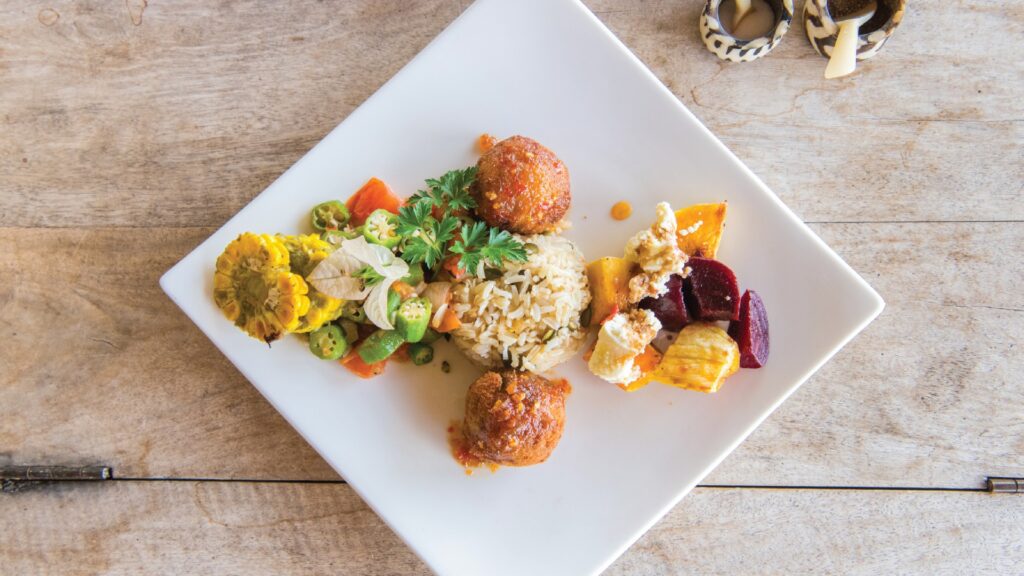
In From Farm to Table, chefs from the Green Safaris’ lodges and camps have curated a collection of their favourite recipes, celebrating fresh, locally sourced ingredients and deep-rooted culinary traditions. At Green Safaris, food is viewed as part of a shared experience, as a way to connect cultures and create memories. The closing words in the cookbook sum up just why taking a cookbook home as a souvenir is such a good idea – “We hope that when the smells of these dishes fill your home, when you take a bite of a favourite meal that you’ve now made, that you are transported to your time spent with us, and that you recall the lessons, love and adventures you experienced while travelling with us.”
From its outset, Green Safaris has been committed to wildlife conservation and sustainable community initiatives. In 2017, the Green Safaris Conservation Foundation was established to fund and oversee a range of community, conservation, and sustainability projects – a portion of the proceeds generated from the sale of the Green Safaris cookbook are channelled into these projects.
Zambian Honey
Zambia is known for its high-quality, organic honey, often harvested from wild bees in the Miombo woodlands. Perfect for adding to tea, baking or drizzling over pancakes, popular brands include Zambezi Gold and Forest Honey, both of which have a rich, floral taste.
Zambia’s honey story goes beyond the jar. One standout example is Alvearium Gin, a premium spirit crafted entirely from wild African honey rather than traditional grain. Distilled from sustainably harvested honey sourced from the Miombo woodlands, it offers a completely different flavour profile, smooth, slightly floral, and deeply connected to place. It’s a more contemporary take on a classic ingredient, turning a simple souvenir into something you can sip and share. For a deeper look at the story behind Zambian honey and Alvearium Gin, explore the full feature.
Zambian Peanut Butter
Rich, thick, and all-natural, Zambian peanut butter is a pantry staple that brings authentic local flavour to your kitchen. Made simply—just peanuts, and sometimes a pinch of salt—this peanut butter is unprocessed and free from added oils, sugars, or preservatives. Its texture is wonderfully rustic and slightly coarse, ideal for adding depth to sauces, soups, and traditional dishes like ifisashi (vegetables in groundnut sauce). You’ll find jars of it at most grocery stores across Zambia, making it an easy and delicious souvenir to take home. Whether you spread it on toast or stir it into a stew, it’s a simple way to keep your Zambian food memories alive.
Malawi may be small in size, but it offers big flavour when it comes to culinary souvenirs. Known as the “Warm Heart of Africa,” this landlocked country is rich in hospitality, culture, and homegrown delights. From the lush highlands of Thyolo to the rolling hills of the north, Malawi produces some of the continent’s most distinctive coffees and teas. Whether you’re sipping a smooth Arabica brew or cooking with roasted groundnut flour, these flavours offer a comforting reminder of your time in Malawi—easy to pack, and even easier to enjoy once you’re home.
Malawian Coffee
Malawi produces high-quality Arabica coffee, especially from the Nyika Plateau and Thyolo region. Known for its smooth, mild flavor with fruity and chocolatey notes, Malawian coffee is a must-buy for coffee lovers. Look for brands like Mzuzu Coffee, Satemwa Coffee, or Misuku Hills Coffee.
Malawi Tea
Malawi’s black tea is rich, full-bodied, and perfect for a morning brew. You can also find unique white and oolong teas, which make for a great gift. The Satemwa Tea Estate in Southern Malawi produces well-packaged black, green, and herbal teas, making tea an easy gift to carry home.
Nsinjiro (Groundnut Flour)
A key ingredient in Malawian peanut-based dishes, nsinjiro (roasted groundnut flour) is used to make sauces, soups, and even snacks. It’s a great ingredient for those who want to recreate Malawian flavours at home.

Namibia’s striking landscapes—ranging from the towering dunes of the Namib Desert to the windswept Atlantic coastline—shape the character of its culinary souvenirs. Whether it’s the rich, gamey flavour of biltong, the crunch of spice-dusted kapana, or the mineral tang of Atlantic sea salt pearls, Namibia offers edible keepsakes that capture the spirit of adventure. These locally sourced, proudly Namibian products are not only delicious but also speak to a deep tradition of craftsmanship and a connection to the land.
Biltong & Droëwors
Biltong (dried, cured meat) and droëwors (dried sausage), made from beef, or even game meat like kudu, springbok, or oryx, are delicious and a perfect gift or souvenir to take home and are available vacuum packed for easy transport.
Namib Salt Pearls
From the icy water of the Atlantic Ocean and harvested from salt pans along the coast, in a rare coming together of the elements, nature moulds these wonderful salt beads.
Kapana Spice Blend
Namibia’s famous grilled street meat, kapana, is seasoned with a spicy, smoky blend of salt, chilli, and aromatic spices. Take home some Kapana spice mix and recreate this Namibian favourite at home.
So, when your journey is done and it’s time to head home, take some of the tastes of your travels with you, and continue your African adventure long after you’ve unpacked.
