Traditional Food in Southern Africa: Local Dishes You Can’t Miss
Traditional food in Southern Africa is influenced by indigenous traditions, colonial history, and a wealth of natural ingredients. From grains to greens to cocktails, each region has its specialties that are worth trying, even if it means going out of your comfort zone. Check with your local Africa’s Eden tour operator about adding in a local food experience to your itinerary.
When exploring a new country, take the opportunity to try as many local foods and delicacies as possible, read on for a few ideas to get you started. Each of these dishes tells a story—of migration, resourcefulness, and the blending of cultures over centuries.
Traditional Food to try in Zambia
Zambia’s traditional dish is nshima, a thick porridge made from finely ground maize flour, somewhat like polenta. Traditionally eaten with the hands and often served with various relishes, known as ‘ndiwo’, ‘dende’, or ‘umunani’, that can include meat, fish, vegetables, or beans.
Other Zambian traditional dishes:
- Chikanda (African polony): A unique dish made from wild orchid tubers, often enjoyed as a snack, dessert, side, or main course.
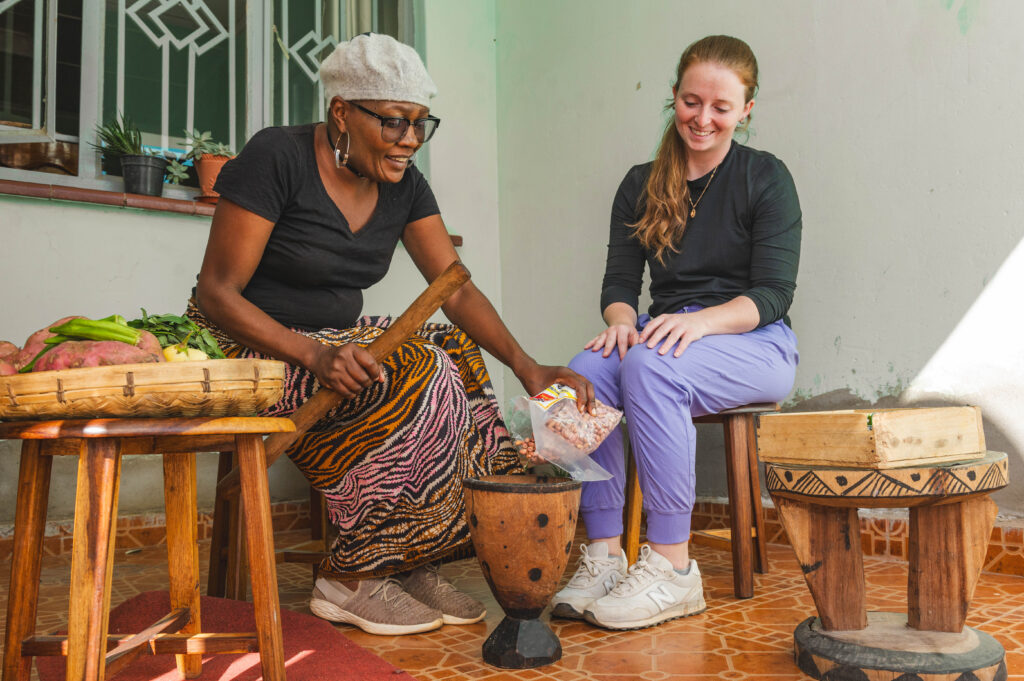
- Ifisashi: A traditional dish made with pounded peanuts, tomatoes, onions, and vegetables, cooked in peanut sauce.
- Mopane Worms (Ifinkubala): Edible caterpillars (a species of emperor moth). A seasonal delicacy, particularly enjoyed during the rainy season, often fried, roasted, or sun-dried. Mopane worms are popular throughout southern Africa.
- Kapenta (Dry Sardines): A popular and protein-rich food, often fried or grilled.
- Inswa (Flying Termites): A seasonal delicacy, rich in protein, often fried, roasted, or sun-dried.
What to drink in Zambia: Munkoyo is a fermented maize gruel, flavoured with tree roots, that is a popular drink, on special occasions or with meals. Another local favourite is Maheu, a fermented porridge drink. Chibwantu is another refreshing maize meal beverage, particularly popular in the Southern Province. Meanwhile, Impanepani is a spicy ginger beer that’s sure to wake up your taste buds. Alternatively, for something alcoholic, Chibuku is a fermented maize beer, widely consumed in both rural and urban areas.
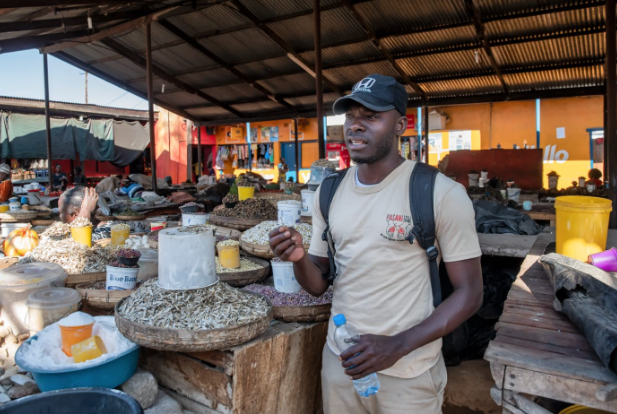
Travelers who want to go beyond restaurant menus can join community-led culinary experiences such as Jiranileo food tours, where local hosts and guides invite visitors into neighbourhood markets and family kitchens. From discovering traditional ingredients in bustling food markets to sharing a home-cooked meal prepared on a charcoal stove, these small-group experiences offer a meaningful way to connect with everyday Zambian life.
Traditional Food to try in Botswana
Traditional Tswana cuisine features hearty dishes centred around meat, maize, and sorghum, with popular staples like seswaa, pap, and morogo (leafy greens). Seswaa is Botswana’s national dish, a slow-cooked beef or goat meat that is traditionally pounded until tender and often served with pap and morogo.
Other traditional Tswana dishes:
- Pap: A thick porridge made from cornmeal or sorghum, a staple in many Botswanan meals. Variations of this porridge are popular throughout southern Africa.
- Bogobe: Similar to pap, bogobe is a sorghum or millet porridge, frequently served with meat, vegetables, or pickled fish.
- Morogo: Leafy greens like cowpeas or spinach, that are a common addition to meals, often cooked with onions and tomatoes for additional flavour.
- Phaphatha: The traditional bread in Botswana is called phaphatha. It’s cooked in a dry pan and you’ll find it plain or filled with meat. This is a very filling bread and is found as breakfast or a snack in most parts of the country.
- Dikgobe: This is one of the most traditional Botswanan dishes and is commonly served at celebrations like weddings and even funerals. Dikgobe is a nutritious blend of soaked beans and samp (processed corn) that is usually served for lunch, as an accompaniment to meat dishes.
- Mogodu: This is a stew of chopped tripe (serobe) and intestines (mala), and is often served with pap or dumplings.
What to drink in Botswana: Bojalwa is the traditional beer of Botswana, made from fermented sorghum seeds. It’s a staple in Tswana culture. It’s known for its slightly sour taste and cloudy appearance and is often brewed at home. Gemere (Ginger Beer) is a spicy, non-alcoholic option, popular on hot days. Madila is fermented milk, that’s eaten either on its own or added to porridge, and Morula Tea is a sweet and uniquely flavoured tea made from the fruit of the morula tree.
Traditional Food to try in Zimbabwe
Zimbabwean cuisine is centred around staple ingredients like maize, peanuts, and leafy greens, with dishes such as sadza (maize porridge), peanut butter-infused muriwo (greens), and slow-cooked meat forming the heart of traditional meals. A highlight is the use of vegetables and legumes, such as pumpkin leaves (muboora) and cowpeas (nyemba).
Other Zimbabwean traditional dishes:
- Sadza: Like most of southern Africa, thick maize meal porridge, sadza is the cornerstone of Zimbabwean cuisine and most Zimbabweans eat it at least once a day.
- Dovi: Otherwise known as peanut stew, this is another staple of Zimbabwean cuisine and attests to the country’s fondness for this particular legume. It typically features chicken, slow-cooked in a thick, creamy sauce made from peanut butter. Some variations include vegetables like carrots, tomatoes or okra, while others might add chilli for some heat or lemon juice for some zest.
- Muriwo Unedovi: A vegetarian dish that consists of collard greens, kale, or spinach cooked with peanut butter, onions, and tomatoes, simmered until all the ingredients have combined.
- Muboora: Tender leaves of the pumpkin are first boiled before being simmered in a rich sauce of tomatoes and onions.
- Matemba: Kapenta, known locally as matemba, are a small sardine like fish that were introduced into Lake Kariba in the 1950s. The tiny, silvery fish are salted and dried in the sun, though can also be prepared fresh. Preparation varies, but it’s most commonly fried until crisp.
What to drink in Zimbabwe: Hwahwa, made from either sorghum or rapoko (finger millet), is a celebratory drink designed to bring people together and to connect them to their ancestors. Alternatively, Mangisi is a ‘sweet and sour’ beverage made from the natural fermentation of millet mash.
Traditional Food to try in Malawi
Just like elsewhere in southern Africa, Nsima, a thick porridge made from maize flour and water, is the central element of Malawian cuisine. It’s a versatile dish, typically served with various accompaniments (ndiwo), from tomatoes, leafy vegetables (masamba) and beans (nyemba), to various meat or fish dishes. It’s filling and affordable.
Other Malawian traditional dishes:
- Fish: Given its extensive shoreline along Lake Malawi, it’s no surprise that fish is a prominent part of the Malawian diet. Chambo is a delicious freshwater fish, often grilled or fried (often overfished it’s important to aim for sustainably sourced chambo). Usipa (kapenta in Zimbabwe/Zambia) are popular small sardine-type fish and Kampango is a large fatty fish.
- Nyama: Meat, nyama, is another essential component of Malawian cuisine, with goat and chicken being popular choices and grilled, roasted and stewed meat dishes are enjoyed throughout the country.
- Vegetables: Greens like sukuma wiki (collard greens), pumpkin leaves ‘nkhwani’, and cassava leaves are commonly prepared with onions, tomatoes, and commonly a groundnut sauce ‘otendera’.
What to drink in Malawi: If you’re looking for a traditional drink to try, consider Thobwa, a fermented drink made from white maize and millet or sorghum. It’s known for its milky appearance, cereal taste, and grainy texture. Chibuku is a commercial beer made from a mix of sorghum and maize, commonly served in a milk carton, Kuche Kuche is a light local beer, and Maheu is a non-alcoholic drink made from fermented maize or sorghum, with a unique taste that’s both tangy and slightly sweet.
Traditional Food to try in Namibia
The food culture of Namibia seems to revolve around meat, an almost infinite variety of meats, from ostrich to antelope, zebra to giraffe, oryx to kudu, and of course lamb and beef. Like many of its neighbours, Namibia offers a rich and distinctive take on traditional food in Southern Africa, shaped by both indigenous practices and colonial influences.
Namibians from all walks of life are united by their love of meat. Its colonial past has also left its mark on Namibian gastronomy, particularly German and English cooking, so you may need to work a little harder when searching out traditional Namibian cuisine.
Other Namibian traditional dishes:
- Beef and braaivleis: Even before colonial times, indigenous Namibian groups were cattle herders, and the love for beef hasn’t faded. And how do they like to cook it? Over an open fire. To braai (barbeque) is a national pastime, which makes braaivleis (barbequed meat) unarguably the national dish!
- Game meat (venison): Game meat is also very popular in Namibia. Think springbok, oryx, kudu, giraffe and even crocodile. Game meat is not only delicious, but it’s also a more sustainable alternative to beef or other domesticated animal meats.
- Kapana (meat skewers): You’ll find these strips of cooked meat, fresh from the fire, along the roadside all over Namibia. While beef is usual, ostrich or crocodile is not uncommon, with the meat usually cooked with chilli, salt, and a sauce that made of tomatoes and onions.
- Mahangu soup: This soup is made with fish, goat or lamb, and with mahangu (millet) as its main ingredient. The ingredients are mixed in an iron pot and this traditional dish is very popular.
- Omajovas: This is a type of giant mushroom, harvested from termite mounds between January and March. The taste differs from your usual mushroom, but most Namibians are devoted fans of omajovas. You can often purchase these mushrooms at roadside stalls or perhaps even find them as a pizza topping in certain restaurants, when in season.
- Oshingali: Oshingali is a traditional bean puree popular with the Oshiwambo people of the northern part of Namibia. The dish consists of white beans, peeled and then cooked on an open fire – some chefs add salt or paprika for flavour.
- Potjiekos: Another popular dish is potjiekos, or potjie, a (very) slow-cooked stew of meat (often game meat), chicken or occasionally fish, made in a three-legged, cast-iron pot over an open fire
- Bullfrog: The giant African bullfrog, locally known as efuma (singular) or omafuma (plural), is perhaps one of the most exotic dishes found in Namibia. Eaten in the north of the country, it’s cooked in a saucepan that’s been covered with dry Omuhongo wood – essential to prevent poisoning. You should only try this if it has been cooked in the traditional way.
What to drink: To experience a traditional Namibian drink, consider trying Oshikundu (sometimes called Ontaku), a thick, brown, cereal-based beverage made from fermented millet flour. It’s a thick, brown beverage with a strong cereal taste and is often consumed in open-air markets. It can be both non-alcoholic and alcoholic. Alternatively, Maxau is a non-alcoholic maize-based beverage, produced by the Damara/Nama people in the IIKaras region of Southern Namibia. It’s made from fermented maize meal, with sugar added for taste.
Food is an essential part of any travel experience. Whether you’re savouring a slow-cooked stew in Maun, Botswana, indulging in freshly grilled fish from Lake Malawi, or experiencing the bold flavours of Namibian game meat, every bite connects you to the region’s cultural heritage. Embrace the adventure of experiencing traditional food in Southern Africa, step out of your culinary comfort zone, and let the flavours and people you meet be a highlight of your journey