Wellness in the Wild

How Travel in Africa Naturally Resets Mind, Body and Soul

The first edition of a new wellness and travel series for Africa’s Eden sees Rita Jardine unpack the natural link between mindful travel and wellbeing and why Africa rewards those who take their time.
After more than twenty years of travelling across Africa, I’ve realised that wellness here isn’t something you chase, it’s built into the experience itself.While the world talks about supplements, routines, and “biohacks,” African safari lodges and bush retreats offer something far more timeless: a resetting of mind, body, and soul. Here are seven ways it does just that.
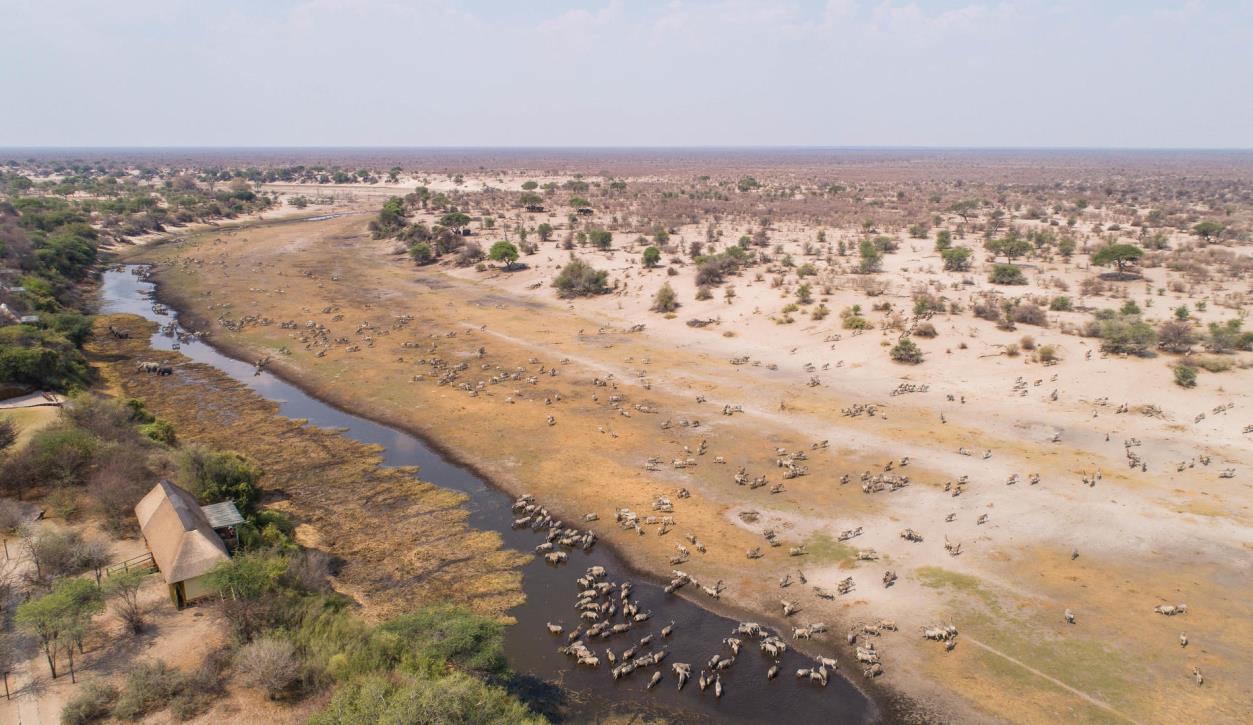
Wide open spaces in Makgadikgadi Salt Pans, Botswana

1. Space to Breathe

In Southern Africa, the vast open spaces allow for a true sense of reverie and reflection. Take a magical evening sleeping in a bedroll beneath the stars on the Makgadikgadi Salt Pans with the white landscape stretching endlessly beneath an immense sky alive with shooting stars. Without distractions, the stillness is grounding and calming, offering perspective and a clarity of mind that stays with you long after you leave.
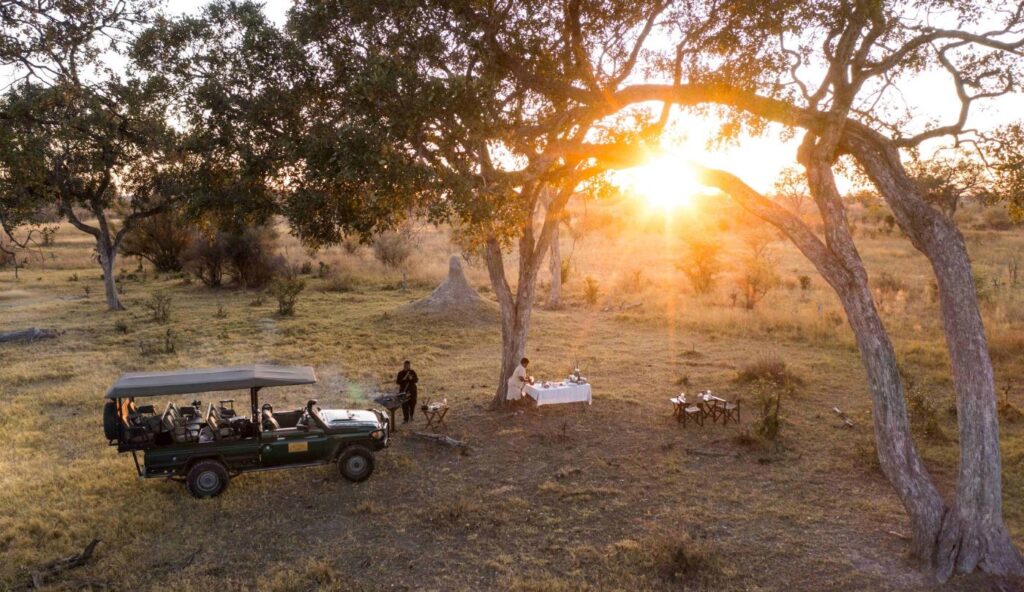
Letting the African sun set the pace at Okavango Explorers Camp.

2. A Circadian Reset

The African sun is more than just beautiful; it’s a natural reset for your body clock. A recent article in The American Journal of Clinical Nutrition shows that exposure to early morning light supports healthy circadian rhythms, hormone balance, and even aspects of biological ageing. Safari drives, morning walks, or breakfast on your veranda ensure you soak up this natural vitamin D, giving your body a gentle, rejuvenating start to the day. Unlike artificial supplements or gym lights, African sunlight is naturally abundant, warm, and effortlessly restorative.
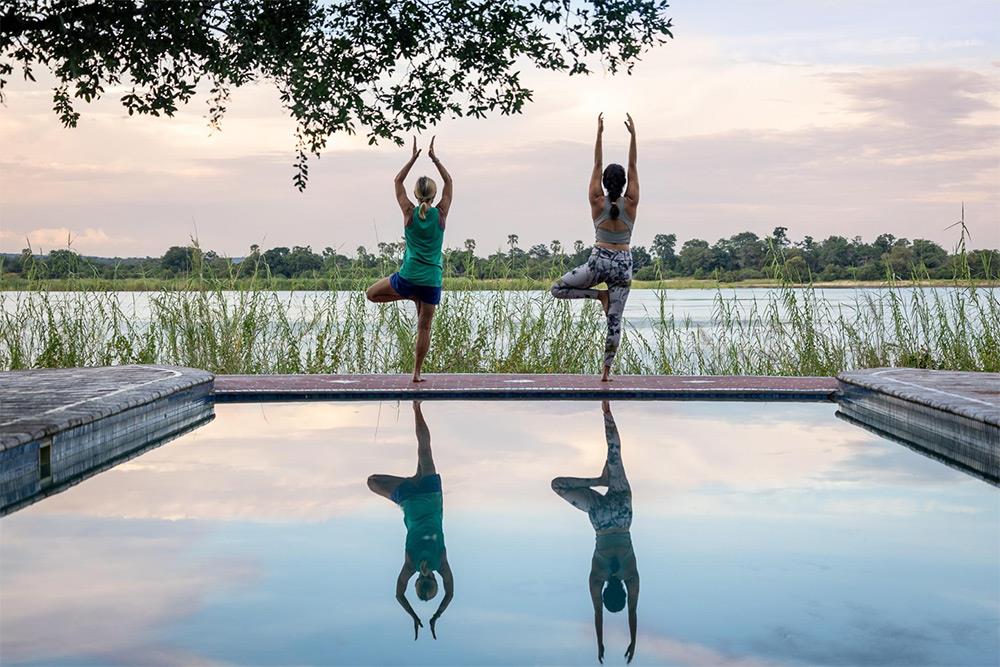
Riverside yoga in Livingstone with The Ultra Portfolio and the Zambezi as your backdrop.

3. Personalised and Individualised Care

Safari lodges today understand that many travellers have unique wellness needs. From tailored meal plans to accommodating fitness routines such as intermittent fasting or yoga, smaller lodges typically offer personalisation and flexibility that respects your journey. This isn’t about following strict rules; it’s more about moving with your own flow because wellness isn’t one-size-fits-all.
Presence in practice. Gail Kleinschmidt pauses to watch the river at Chundukwa River Lodge, where wellbeing begins with simply paying attention.

4. Mindfulness

Being fully present is easier in the African bush than almost anywhere else, at least it is for me. It’s about engaging every sense and gently drawing you into the moment. Watching wildlife, listening to birdsong, or feeling the wind on your face encourages an instant slowdown. Everyday experiences quietly became extraordinary. On a return trip to the Zambezi, simple rituals like sipping tea at sunrise and gazing across the river allowed my mind to settle. The bonus was the accompaniment of the low calls of hippos and the morning chorus of hornbills. These experiences ease stress, lift the mood, and support well-being, turning each day in the bush into a gentle practice of mindfulness and reflection.

At Chundukwa River Lodge, wellness is not prescriptive; it’s intuitive. We believe true wellbeing comes as a result of slowing down, reconnecting with nature, and allowing each guest the space to move at their own rhythm, whether through gentle activity, quiet moments by the river, or simply being receptive and allowing the body to awaken to the wild and beautiful place outside, and within.” – Gail Kleinschmidt

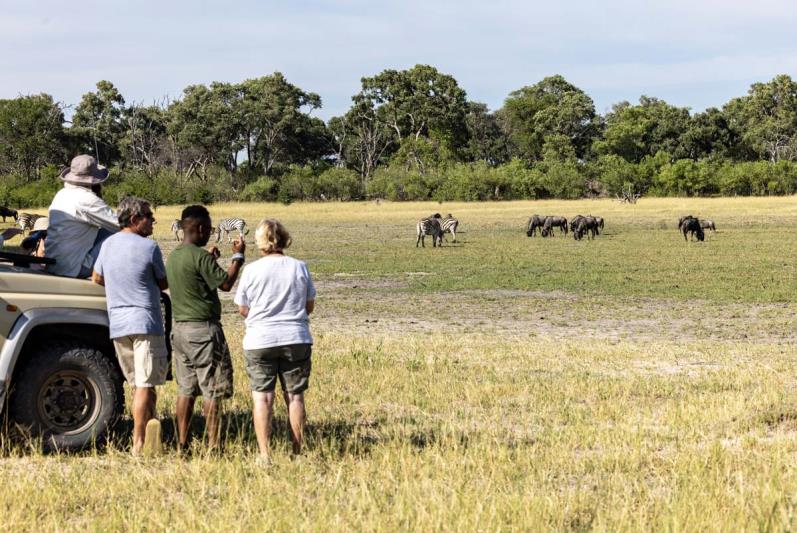
Gentle movement, unhurried moments and wildlife encounters on safari with Okavango Expeditions.

5. Gentle Joyful Movement

Movement in the wilderness never feels like exercise; it’s simply part of life. I lived in Maun for a number of years and across my many visits to the Okavango Delta, each experience has been different, yet all have offered the same quiet invitation to move. Days unfolded through walking safaris, fishing, game drives, and time spent in a mokoro or on foot in the bush, with no need for motivation or routine. By sunset, my legs were tired but my body felt energised and alive. It was gentle, joyful movement, naturally woven into the rhythm of each new day.

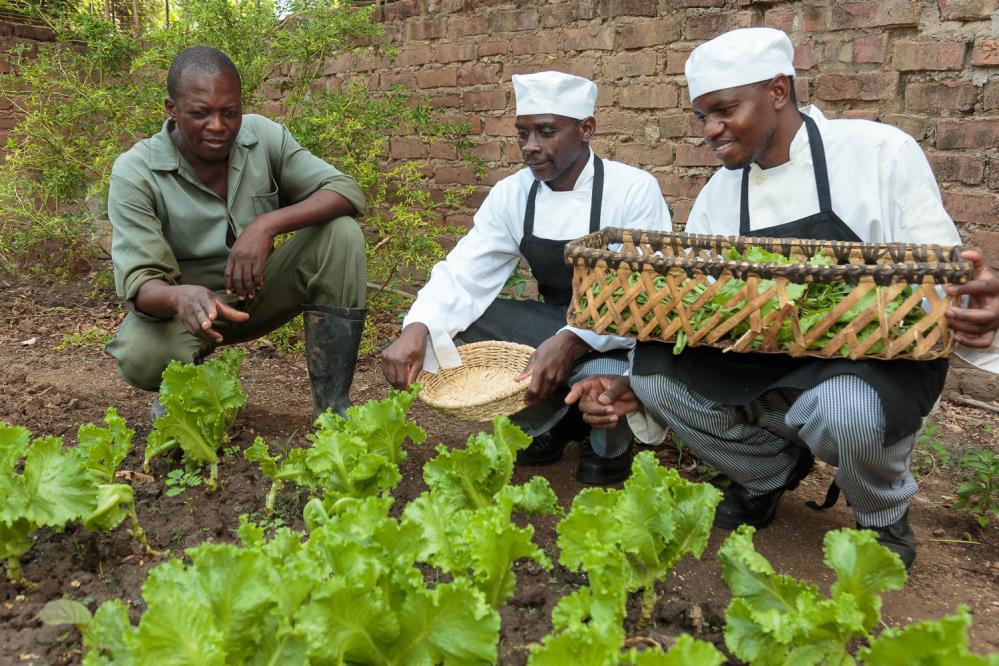
Fresh from the garden. At Fair Trade–certified Flatdogs Camp, staff harvest homegrown produce that supports ethical employment and sustainable tourism.

6. Food as Nourishment AND Delight

Safari cuisine balances nourishment with enjoyment, often using ingredients grown on site. Many lodges maintain their own vegetable gardens, either out of logistical necessity or as a deliberate commitment to farm-to-table dining. At Flatdogs Camp in South Luangwa National Park, chefs work closely with these gardens to shape menus around what is fresh and in season. The result is food that is flavourful, wholesome, and satisfying, proving that eating well while on safari can be both restorative and genuinely enjoyable.

7. Leaving Lighter Than You Arrived

After time in nature, with unforced movement and good food, I always return feeling lighter in body, mind, and spirit. Fresh air, natural light, and long hours outdoors combine to create a quiet but powerful reset. Without consciously trying to disconnect, I notice that I stop checking notifications, my attention drawn instead to the rhythm of the day, the landscape, and what’s happening around me.

Time spent in Africa’s Eden has an understated way of restoring perspective. Life slows, thoughts clear, and priorities gently realign. It’s not about fixing yourself or following a wellness formula, but about returning home more grounded, more present, and genuinely restored. These are some of the wild ways to recharge and their impact lingers long after the journey ends.

Meet the Writer: Rita Jardine

I’ve spent over 20 years living and working across Africa, calling six countries home and travelling to more than 35 for work and leisure. My journey here has been anything but conventional: a mix of adventure, storytelling, and connecting with people through shared experience and humour.

Originally on a journalism path, I detoured into public speaking and training for the British government. But a sabbatical in Africa changed everything. What was meant to be a break quickly turned into a life lived on the road and rivers of the continent. I found myself helping out on African tours, working in wildlife filmmaking logistics, and guiding through some extraordinary places.

Whether teaching kayaking on the White Nile and Zambezi, guiding locals and tourists along their rivers, or coaching women in a cooperative, my work has always been intertwined with the rhythm of life here.
This epic journey has been a family experience. My husband works in tourism and conservation as a helicopter pilot, and our daughter has grown up travelling with us across the continent, experiencing life in ways few children get a chance to. Her story is intertwined with mine and with Africa’s itself, and continues to inspire me every day.

For me, the African continent is more than a place; it’s a home and way of life that I always seem to return to, time and again. I’ve come to see that the spirit of this continent lies not just in its landscapes or wildlife, but also in the shared laughter and the oftentimes hilarious adventures that continue to shape the essence of my being.
Search