
There’s something almost sacred about walking in Africa. Your heartbeat syncs to the slow rhythm of your footsteps, your ears tune into the hum of the wild. A bush walk or walking safari in Africa is meditation.
Photo courtesy Setari Camp
Out of the corner of my eye I spied something moving, low and slow. Easily missed if you’re scanning for lions and elephants. I was clearly not scanning for lions and elephants.
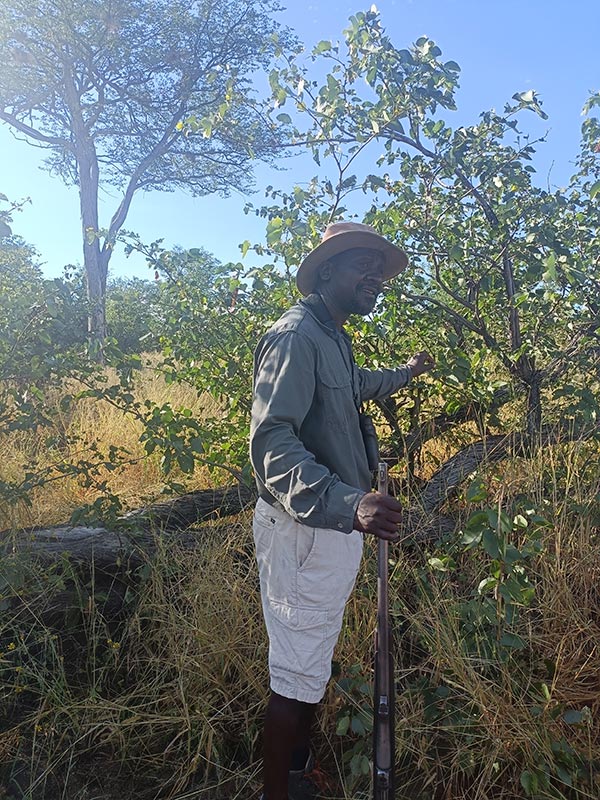
I stopped and crouched down, my companion almost crashing straight into me. But then we all stopped and crouched down, the two of us, Sibs Sibanda, our professional guide, and his apprentice, Daniel Woods. Sibs is a legend. He has more than two decades of guiding experience and is entrusted with the training of young guides.
We were on a walking safari in Hwange National Park Zimbabwe, out of Camp Chitubu. It’s an enthralling place; remote, raw and truly wild. It had taken more than five hours’ very bumpy drive to get there from Victoria Falls and I was relishing the chance to stretch my legs and swap the grunt of engine for the grunt of wildebeest, buffalo, zebra, anything really.
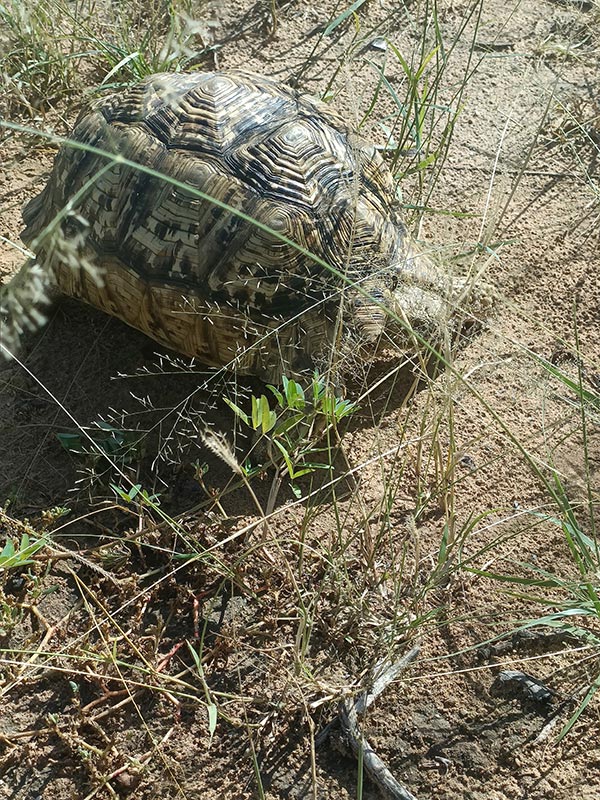
Though my legs were folded under me right at that moment. A huge leopard tortoise was doing all the walking, slow, ponderous step after slow, ponderous step. He rolled unperturbed over grasses and stones, not minding much of anything, just going about his tortoise business.
This is how his species has managed to survive for about 230 million years (tortoises evolved during the Triassic period, right alongside the dinosaurs). In comparison, we’re spring chickens; just 300,000 years old and overcome by hurdles on the daily.
Eventually he stopped in the shade and had a little nap. We set off again, more reflective, a slower pace, less bothered by the little hiccups of flies, scratchy grass, or having to capture everything on our phones.
Soon enough an easy rhythm had set in, the soft sound of our footfalls tapping the beats to the chorus of birds and cicadas. It was slow, somnolent, more larghissimo than andante.
There was time enough to look around, to see the dung beetles rolling their balls, the golden orbs spinning their intricate webs. The iridescent flash of a lilac-breasted roller, the crimson of a southern carmine bee-eater on the wing.
And to listen: a lion roar in the distance, a baboon bark a warning, a honey badger rummage in the scrub, hidden from sight.
Finally, Daniel led us to the welcoming shade of a copse of trees. We weren’t the only ones seeking relief from the still-strong afternoon sun. We shared the space with a herd of elephants – downwind and out of their way, of course, but we watched entranced as they languidly ate their fill and companionably ambled around.
Again, not ones to worry too much about hurdles, they slowly made their way to a waterhole for an evening drink. We took our cue from nature, and slowly made our way back to camp for an evening drink, toasting the sun as it dropped out of sight.
I slept like a log in the deep darkness of the wild, accompanied by the unnameable, soft purring of the African bush at night. Turns out you don’t need a yoga mat to find wellness in the wild, just a good pair of veldskoens.
Bush walks are always good, but not at noon. It’s just too hot and bright for a walking safari in Africa at that time of day. Take your cue from the animals: early morning when the dew shines like diamonds on the leaves and the sun is stretching and yawning, or later in the afternoon, when it’s over the yardarm. Spend a few hours lazing in the shade until the heat of the day cools.
Walking in Africa’s Eden is a reminder that peace isn’t found in scented candles; rather, it’s in the ancient rhythm of footsteps on Earth.
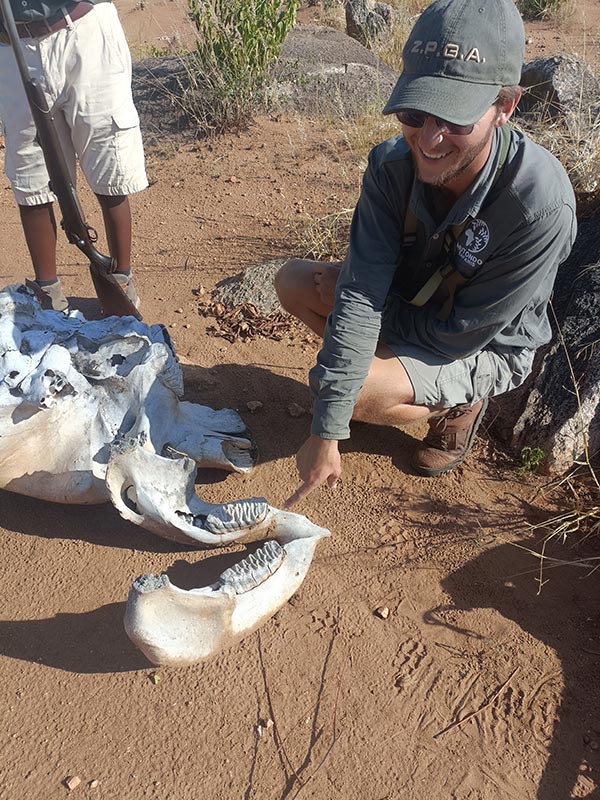
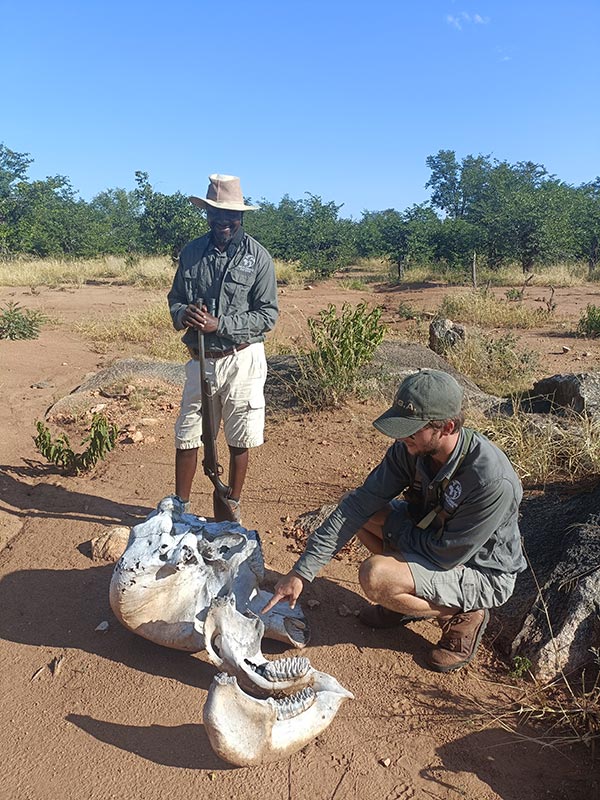
Quietly, the lagoon mist still clinging to our boots, the guide points out the overnight news written in the sand: a hippo passed here on the way back to the water, a leopard slunk away over there, an aardvark had a nose around that termite mound.
Take note, even if you don’t see the animals that made those tracks. Bush walks are not about ticking off species; they’re about tuning in.
The more you tune into the wild, the more you see and hear, and – weirdly – the more you tune into yourself, and the more you tune out unnecessary noise. Which is really no bad thing.
At Kwando Botswana’s 4 Rivers camp in the Kwara Private Concession, you can explore Maboa Island with specialist walking guides and learn about the Okavango ecosystem.
In the walking news: Cape clawless otters, elephants in the Tsum Tsum River, and sable antelope in the ancient woodlands.
It’s all about the rare and elusive at Setari Camp. Walks in the south of the concession may bring you face to face with a Pel’s fishing owl, or a sitatunga, or even cheetah. The camp is set in riverine forest (setari means “tree” in Setswana) and it’s a birder’s paradise, a jewel of walking safaris in Botswana.
And exhale. Your guide leads you along the edge of Lake Kariba as the sky blushes copper and tangerine. The air has started to cool and the hippos are muttering (loudly). You’re whispering though. Something about that golden time of day stills your tongue, even when there’s nobody around.
The dust glows like honey, lorded over by a fish eagle sentinel standing tall on one of Kariba’s famous dead trees. Suddenly, it takes flight and that quintessential African sound yodels from its beak. You just don’t want to ever be anywhere else.
A walking safari in Matusadona National Park in Zimbabwe takes on a different kind of energy, part introspection, part awe. At Rhino Safari Camp, your guide will lead you through mopane forests and around the thick belts of jesse bush. You’ll track nocturnal visitors, the possibility of seeing lion, leopard, or buffalo luring you ever onwards.
At Fothergill, you walk in the footsteps of heroes: this is land named for Rupert Fothergill, once the country’s chief game ranger and the driving force behind Operation Noah to save thousands of animals from the lake’s rising waters. The Fothergill guides carry his spirit; walk with them, and let yourself feel it too.
Then end your day, drink in hand as the sun crashes into the water behind the ghost forest, a classic Africa’s Eden safari experience.
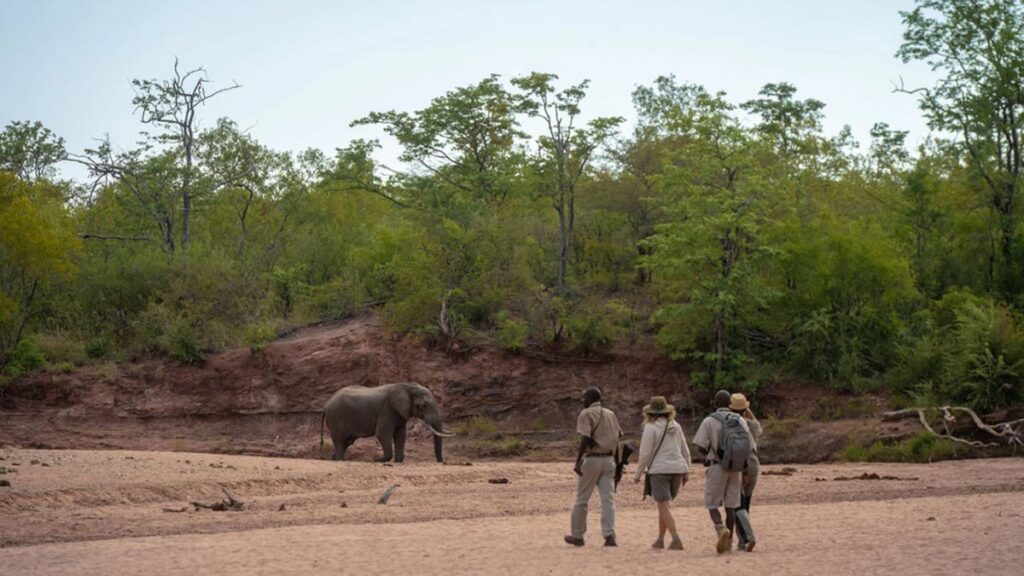
We walk because walking connects you to the details. The texture of the bark, the geometry of a weaverbird nest. It slows the day, slows your breathing and slows your soul, ’til you catch up with the natural world. Sounds like a paradox, but it’s true.
Walking is mindfulness, African style.
