
Signing up with African Parks to manage the national park was a ‘homecoming’ for Mike Pelham.
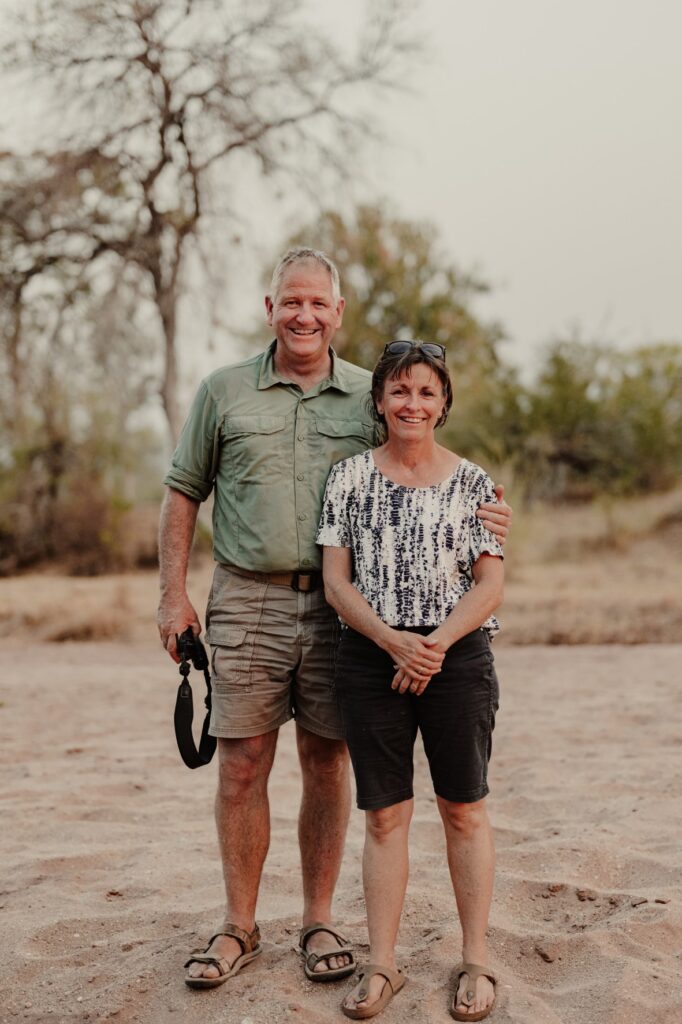
Michael Pelham was in Harare, Zimbabwe when we chatted. He was fresh out of the SADC Transfrontier Conservation Areas summit, where he delivered the closing remarks after Zimbabwe became the 66th country to sign the Memorandum of Understanding on the Conservation of Migratory Birds of Prey in Africa and Eurasia (Raptors MoU).
He was itching to get back to Matusadona National Park, where as park manager he’s African Parks’ person in charge. But a bout of flu laid him low and kept him in the capital for a week. I had met Mike at Lake Kariba a couple of months earlier, first at Rhino Safari Camp and then at Tashinga, African Parks’ headquarters in Matusadona.
The park is his happy place. He met his wife, Tracey, there, where they both worked in the early part of their careers. Since then, he has worked outside the wildlife sector in the Middle East, the DRC, Kenya and Tanzania, as well as South Africa, where he still has a home.
But the pull of the bush was strong, and when African Parks put out a call for a manager for Matusadona there was no question he was headed back “home”.
The Raptors MoU was set up to try to safeguard the raptors that migrate between Europe, Asia and Africa, because their numbers are plummeting. Vultures are particularly vulnerable in South Africa and southern Zimbabwe, where they are poisoned en masse.
On 6 May, for example, 123 vultures were killed in Kruger National Park in what is considered one of the largest vulture poisoning events in Southern African history. Another 84 were rescued, of which 81 were rehabilitated and released. Mike says the problem is continent-wide. “It’s hugely alarming.”
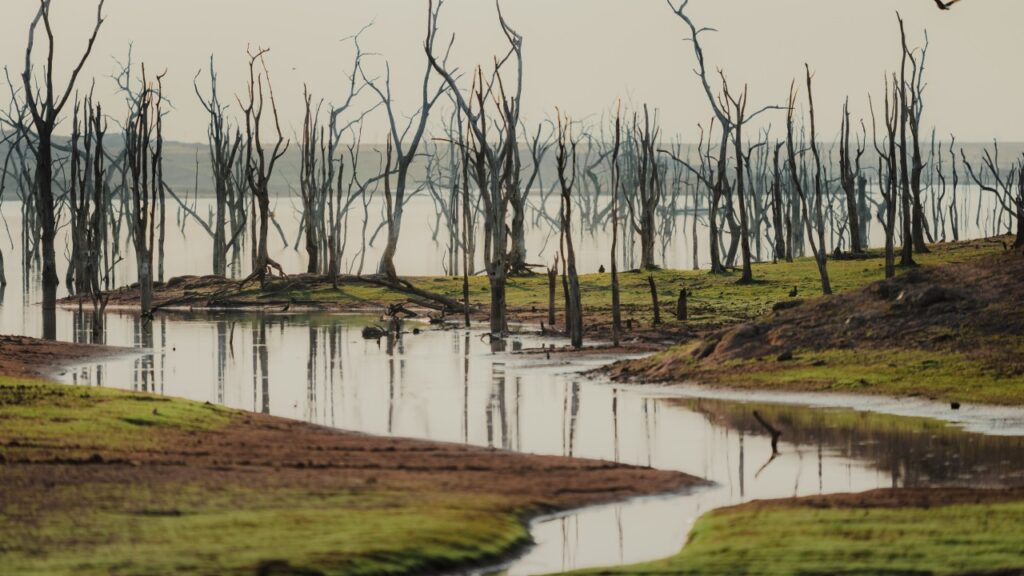
Mike Pelham spent many years in the commercial world, and was abroad during Covid, his family in South Africa. “I didn’t see them for close on a year. And at the end of that, I just thought that this is just not where I want to be. I want to get back into conservation.”
He feels at peace in the bush. “It’s just so many things that come together. It’s one of those places that just makes you feel really great. I like the solitude of it sometimes, although I like showing people the bush. I love the wildlife, but I don’t always need to see it. I just need to know it’s around. I can see it through footprints and droppings.
“It’s the smell of it. Just everything about it. And the African bush in particular … I’ve travelled to Asia and South American places, which are great, but there’s just something unique about Africa.”
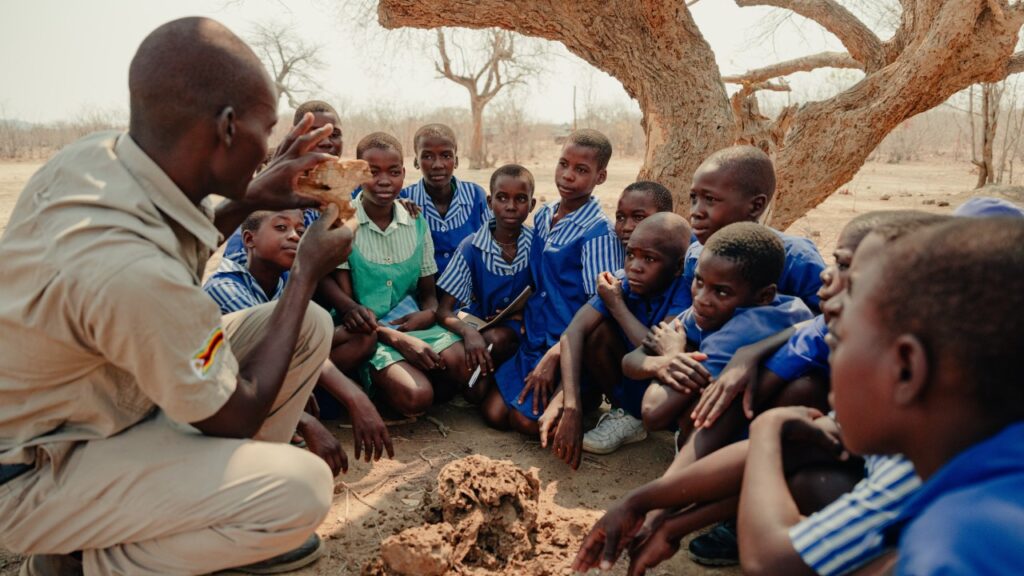
With all this comes an acute understanding of the challenges facing wildlife conservation and sustainable tourism. The biggest, in Mike’s opinion, are human population growth and poverty. “I think that in Africa people are naturally conservation-minded but when you’re driven by poverty, you’ll do anything to try to survive, and with an ever-increasing population it just means dwindling space for wildlife, and more and more conflict between people and wildlife.”
He speaks about the importance of education. “With Matusadona under African Parks, one of the primary focuses of our community engagement is educating people into new ways of doing agriculture, using smart, drought-friendly crops or drought-resistant crops, using crops that are not as prone to wildlife conflict as some of the traditional crops are.
“But the overall thing is that we’ve just got this gigantic population growth, and we haven’t really got an economy that’s supporting it.”
That’s where the value of tourism steps in: tourists bring money, which aids conservation and oils the economic wheels of the local communities. But it’s a delicate balance – more tourists mean more negative effects on the land mean more managing is needed.
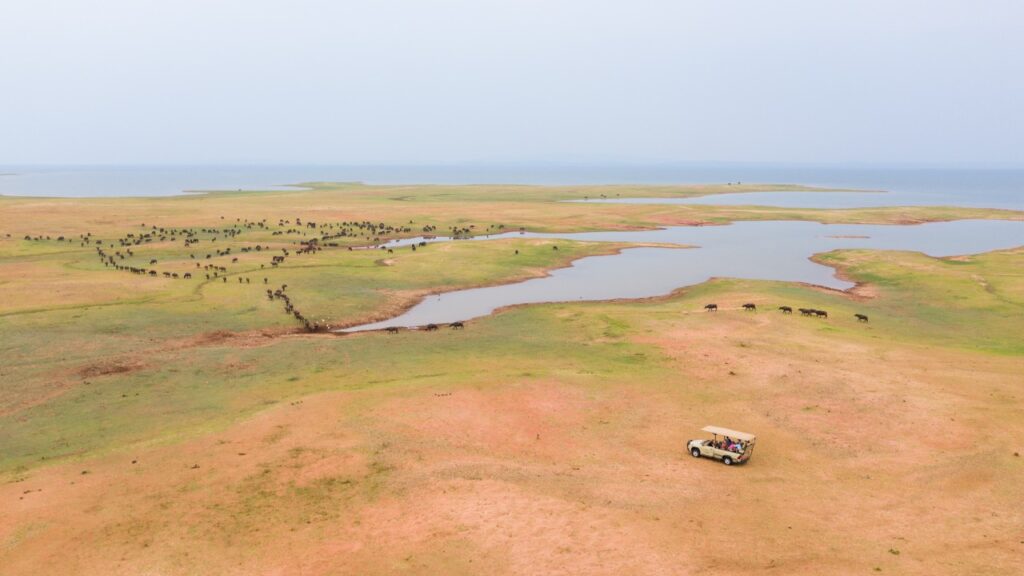
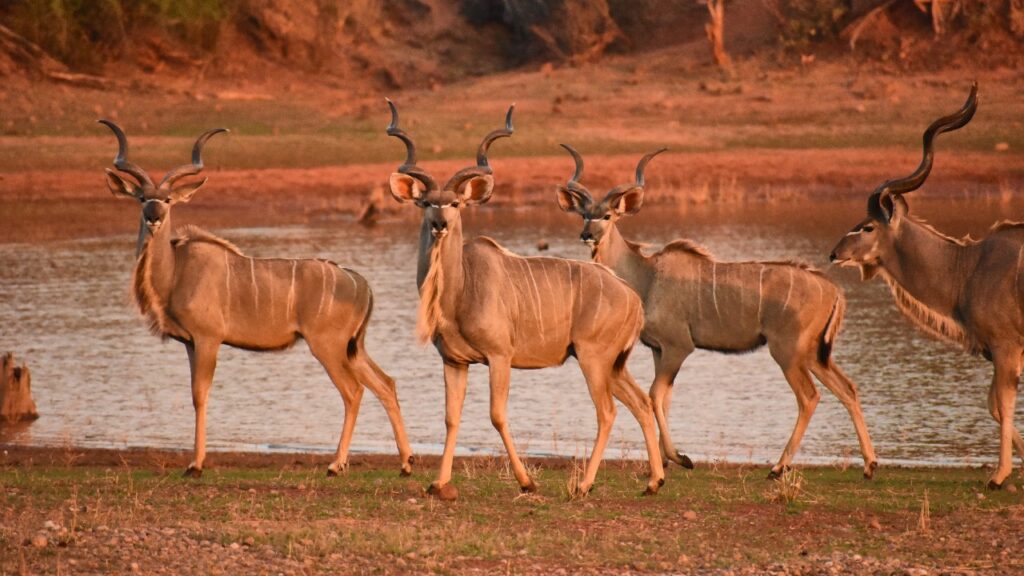
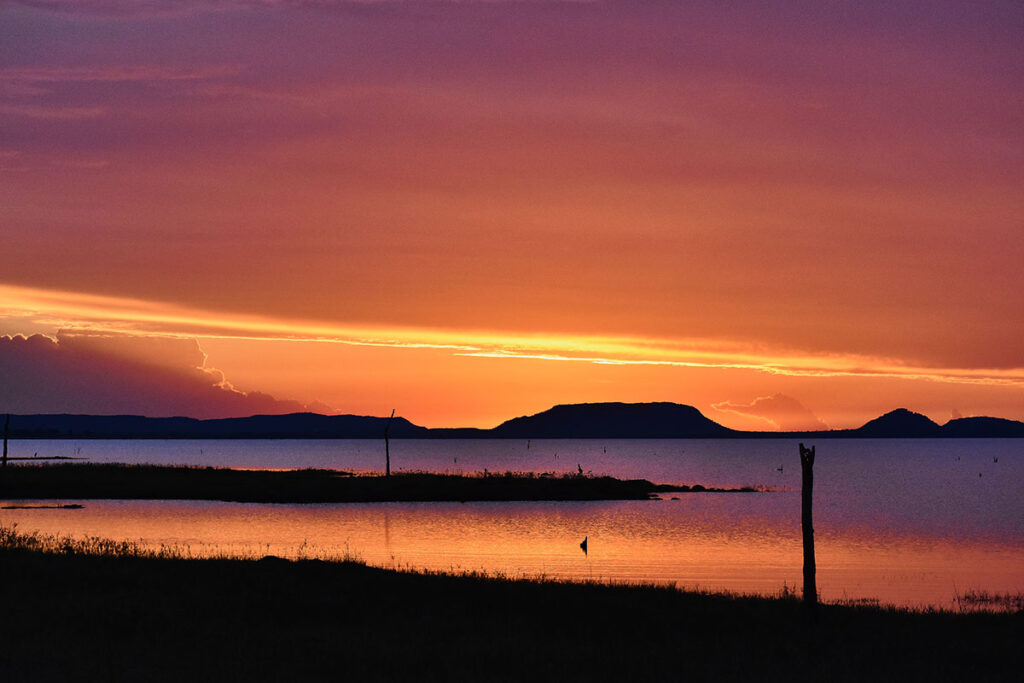
Parks have to identify their unique selling points to draw these tourists. “One of the incredible things about Matusadona is we’ve got great game, but not in massive numbers. But you do get the sense of wilderness. When you go inland (from Lake Kariba), you can be there for four or five days or a week, and not see anyone else.
“If you find lions, the lions are to yourself. With elephants, it’s to yourself. And we’ve got to keep that alive,” says Mike.
And so comes the 20-year sustainable plan, including a commercial plan for tourism development. “We’ve zoned the park and made sure that each zone doesn’t have more than a certain number of tourists to try to keep some sense of wilderness. We’ve tried to make sure that there’s a really decent portfolio of different products so that we do have some products that potentially will earn us good revenue.
“But we’ve also got some that are affordable to Zimbabweans – all the way from wilderness camping to serviced campsites, to cottages, and even a bush camp.
“Private safari operators can get concessions to develop lodges for the high-end international market.”
Human-wildlife conflict has always been significant, and it continues to be as these animals disperse. But systems are being created to deal with the conflict much more effectively, starting with a community-designed land-use plan.
Affected communities have allocated the areas they want to conserve as community wildlife areas, and have put in measures to safeguard those. Interestingly, they stick to the corridors that naturally connect the park to other protected areas.
“We’ve got an incredible community, a really good rural district council, very supportive local government, and I think we’ve got the mechanisms where we can start to make a real impact on human-wildlife conflict.”
Our time is up, and I end our chat by asking Mike about the most rewarding aspect of his work. Without hesitation, he says: “It’s working with the communities. It’s definitely the most challenging, but it’s also very rewarding.”
Go see for yourself – Africa’s Eden has several members in Matusadona National Park. Or widen your itinerary to the whole of Zimbabwe.
