
African Parks’ partnerships have brought big benefits to Kafue National Park, but Ian Pollard, the commercial and enterprises manager, is not done yet
Photo by Gilmour Dickson – Kaingu Lodge
By Lorraine Kearney
The news out of Kafue National Park is good; 2024 was a record-breaking year, with $1.828-million in revenue and 23,828 unique visitors – a steep 25% revenue climb off a 42% jump in visitors over 2023.
This is nearly double the numbers in 2021, when the government of Zambia and African Parks joined forces.
Ian Pollard, the African Parks’ commercial and enterprise manager at Kafue, is the person at the helm of the commercial department, although he’s quick to insist it’s a team effort born out of strong partnerships and a singular vision: the long-term sustainability of Kafue that benefits the natural resources, the local communities and Zambia as a whole.
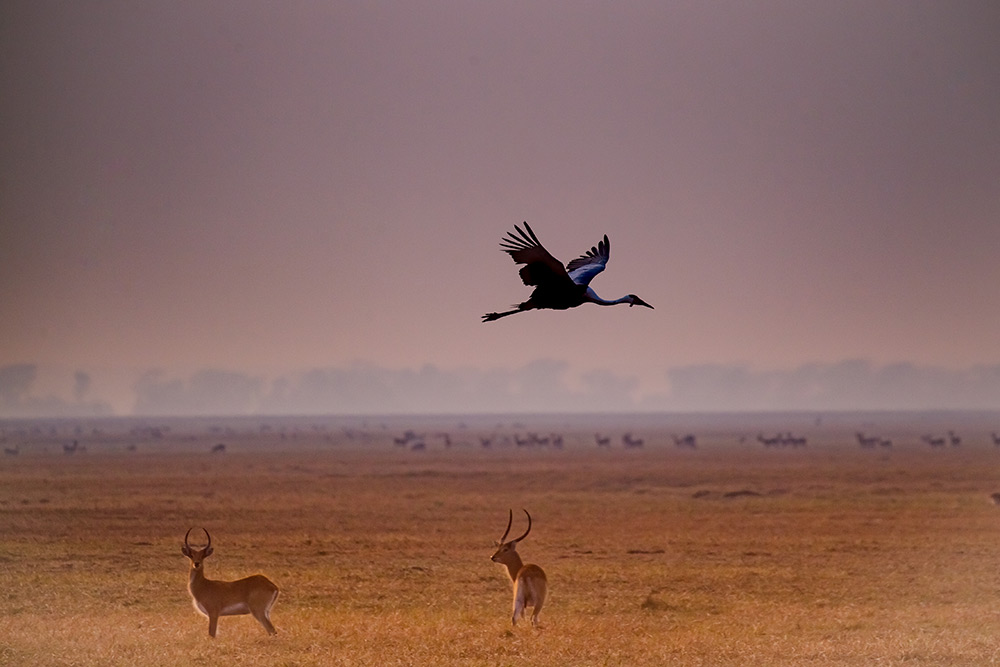
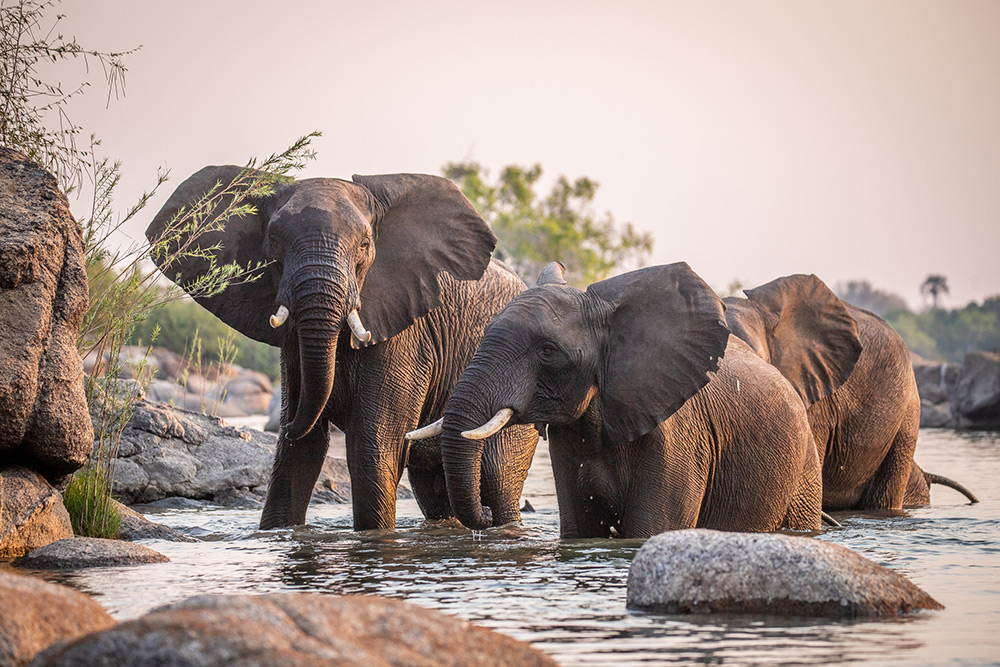
Kafue is huge – more than 2,4 million hectares, most of which is uninhabited. The wildlife diversity is eye-popping: 158 mammal species and 515 bird species. The landscape, too, offers a lot: wetland, savannah, forest, inselbergs, rivers, woodlands and floodplains.
Ian has been there since the start of the partnership, moving to Kafue from Liuwa Plain National Park in 2021.
Let’s back it up a minute. Ian was meant to be a lawyer, but travels to game reserves as a child coupled with a visit to a friend living the ‘bush life’ changed all that. Law studies were jettisoned in favour of conservation. He has worked in South Africa, Botswana and Zambia, mostly in law enforcement in and around wildlife reserves.
That’s where African Parks found him, and he has since taken on the immense challenge of leading commercial operations and strategic planning at Kafue. The aim has not changed though.

African Parks has a collaborative management model, working with Zambia’s government and community resource boards to ensure long-term conservation success.
‘We’ve signed memoranda of understanding with 15 different community resource boards,’ Ian says. ‘We co-designed agreements towards improving communication, engagement and a shared vision for conservation of the Kafue landscape.’
A key initiative was setting up a conservation dividend fund to support small businesses in local communities, with profits reinvested into community projects. Ian talks happily about Malala Campsite, a project he spearheaded that will invest a percentage of its gross profits into the conservation dividend fund, which supports social development initiatives, particularly education, clean water and healthcare.
Community buy-in is vital. Without tangible benefits to improve their lives (education, clean water, clinics, infrastructure, economic viability), there is little to no chance for sustainable conservation.
And Ian talks about the stakeholder engagement programme at Kafue. “African Parks, our government partner the Department of National Parks and Wildlife, traditional leaders, local and national government authorities, and community members are all in it together”.
Take the sustainable management of Kafue’s fisheries. The team is working with more than 4,000 fishermen directly – there are about 25,000 people dependent on the fishing value chain – to create a more sustainable and economically viable system.
Fire management has also benefitted from this collaborative approach. ‘More than 90% of the park was burnt every year,’ Ian says. ‘We are now co-designing a fire management plan with stakeholders and the community to address this.’
But it took hard graft and long hours to build strong relationships for this to work. ‘You’ve got to be able to manage relationships effectively and make them mutually beneficial.’
The first step is listening to the local communities, and developing that into a two-way conversation. Out of this comes plans. Then, consistently delivering on your promises cements the relationship.
It’s all based on the African Parks model of three pillars: biodiversity conservation, community development, park revenue generation.
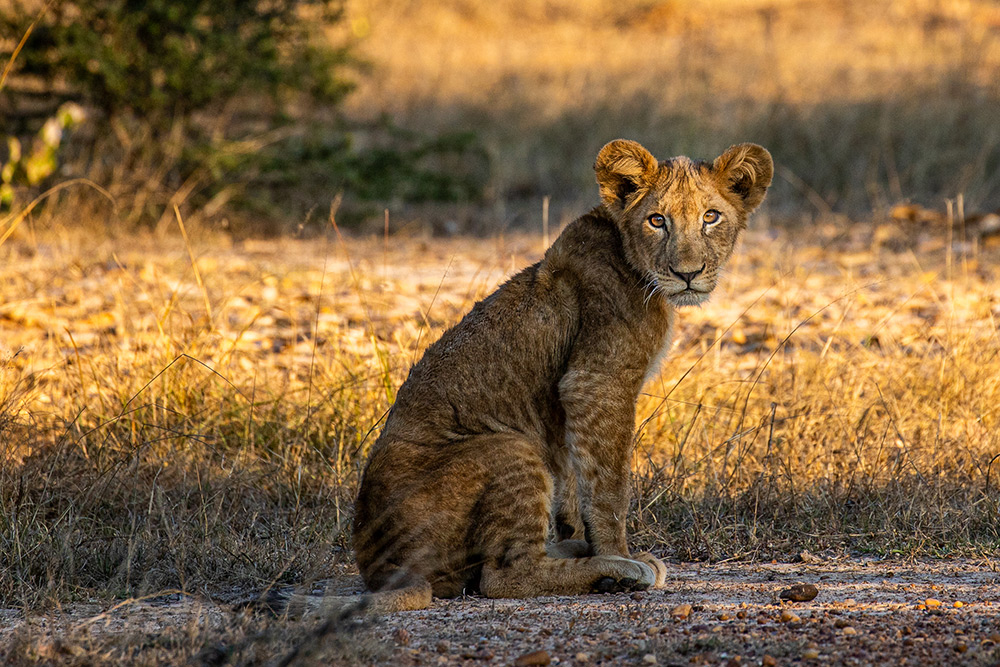
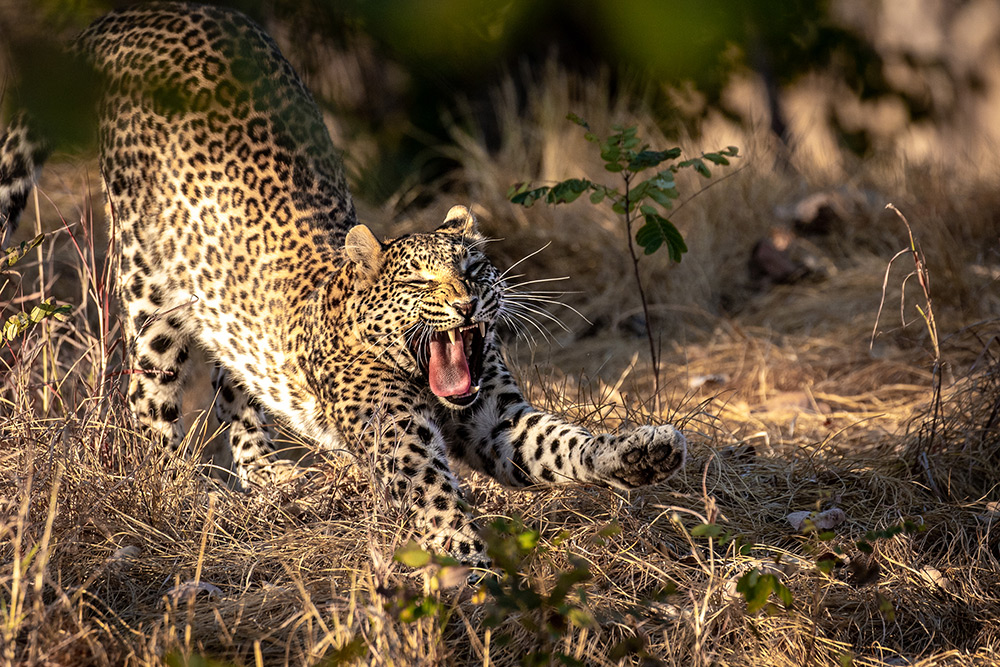
You can already see the success of the partnerships. Wildlife is bouncing back, with notable increases in populations of lions, cheetahs and wild dogs. ‘Kafue quickly became a destination for wild dogs,’ Ian says. ‘Along with South Luangwa, we have the highest population in Zambia. The sightings on the shoreline of Lake Itezhi-tezhi are phenomenal.’
He tells a story that underlines the park’s recovery: ‘When I first came here, there weren’t a lot of animals moving around. But recently, I was sitting in my office at our headquarters in Chunga when a big male kudu walked past my window, past the man mowing the lawn, completely relaxed. To see animals so at ease is incredibly rewarding.’
As we’ve seen, tourism has surged on Kafue’s revival. Importantly, 80% of the revenue earned is reinvested into the park, with the remainder benefiting the government and local communities.
Ian is pretty proud that Kafue has become a ‘travel with a purpose’ destination. ‘Every guest who walks through the gate contributes directly to conservation and community development. That filters down to improving the community and conservation.’
His work is cut out for him, and the challenges of managing such a vast and ecologically diverse park are huge. But Ian is unfazed.
‘I wake up with a spring in my step every day. We are seeing wildlife bounce back and communities benefit. That’s what gets me going.’
Like African Parks, his vision is long-term: ‘This is not just about conservation for wildlife but also for people. Protected areas are an economic anchor for the country.’
And personal: ‘I want my children to come here when they’re 50 and see that it’s still running well.’
It’s about creating a legacy for the people and wildlife of Zambia.
